Tree Farm Near Madrone Heights in Kuna: Mature Trees
for New-Build Lots
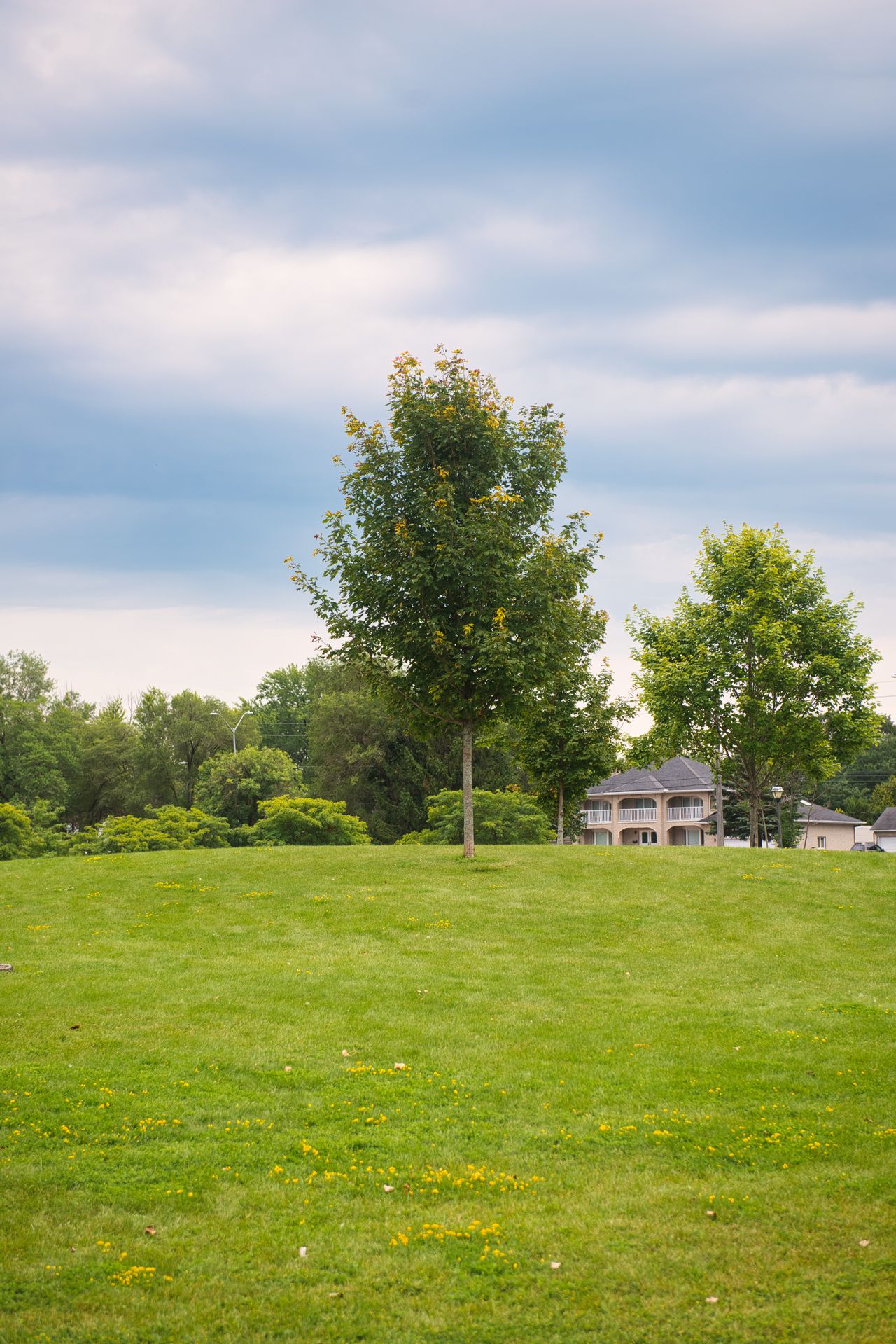
New homes in Madrone Heights in Kuna often come with bare yards. The neighborhood sits off W Kuna Rd near Ten Mile, south of the railroad tracks, on former farm ground. If your lot came with trees at all, they were likely thin starter trees from the builder.
Looking for a tree farm Madrone Heights homeowners can reach in minutes? Our orchard rows sit about 17 minutes west, on Lake Shore Dr near Lake Lowell. Most of our field-grown trees are 5 to 10 years old. That means your yard can have real shade now, not in 20 years.
You have two ways to get a tree from our rows to your yard. You can walk the farm and pick your tree in person. Or we can dig it, haul it to Madrone Heights, and plant it for you.
This page shows how that works on a new-build lot. We cover which trees fit smaller yards, how we check truck access, and how to water a big tree once it is planted. We also show how your picks can line up with Kuna's water-wise landscape guide.
Madrone Heights Yards Need Shade Sooner Than Starter Trees Give
If you just moved onto W Trout Lily St, Madrone Ave, or a nearby street, your yard may look bare. Many lots here start with young builder-grade trees. Some start with no trees at all.
Starter trees are thin and short when they go in. They need many seasons to grow a full canopy. Until then, your patio, back windows, and play space sit in open sun most of the day.
Madrone Heights was built on open farm ground, so few older trees stand nearby to cast shade. With 206 homes on about 40 acres, houses also sit close together. That makes privacy between yards harder to find.
A mature tree changes that in the first season. Because our trees have grown in the field for years, they arrive with real height and a fuller crown. You get:
- Shade over your patio or back windows in year one
- A screen between your yard and the homes next door
- A yard that looks settled instead of brand new
Before you pick a tree, we walk through your yard with you. We look at where the sun hits hardest and where you want privacy most. We also check how much room each spot has for a tree to spread as it grows. Then we help you decide which spots need shade first.
Pick Trees That Fit Kuna's Water-Wise
Landscape Guide
Most new owners plan the front and back yards at the same time. That makes it a good moment to choose trees that work with the whole layout. It also lets you set up watering once, instead of fixing it later.
Kuna's Landscape Design Guide asks for drought-tolerant plant choices and efficient watering. It calls for a 2 to 3 inch layer of mulch around trees, shrubs, and beds. It suggests drip lines or soaker hoses over overhead sprinklers. It also asks that up to 25% of landscaped areas include native flowering plants.
A big tree can anchor that kind of yard. One simple approach is to set your tree inside a mulched bed instead of the middle of the lawn. The mulch holds water in, and the bed gives you room for lower-water plants around it.
We help you pick trees that match those city goals and your own water use. When we help you choose, we look at:
- Which yard spots get the most sun and heat
- How much water each tree will need once it settles in
- How wide the tree will grow compared to your lot
- How the tree fits with the beds and plants around it
Treasure Valley soil is often alkaline, and some popular trees struggle in it. We steer you away from those and toward trees that hold up here. The same fit applies to yards in Sutter's Mill, just southeast across Kuna Rd.
These trees are in our rows now and work well on smaller lots. Mature sizes come from our catalog, and your site will shape the final size.
- Columnar Norway Maple: grows about 40 feet tall but only about 15 feet wide, which suits narrow side yards
- Spring Snow Crabapple: about 25 to 30 feet tall and 15 to 20 feet wide, with white spring flowers
- Canada Red Chokecherry: about 25 to 30 feet tall and 15 to 20 feet wide, a compact pick for smaller yards
- Redspire Pear: an upright, columnar flowering tree for front yards
- Sunburst Locust: about 30 to 50 feet tall, with light, filtered shade
- Crimson King Maple: about 35 to 45 feet tall, with deep purple leaves and heavy shade
- Thornless Hawthorn: about 15 to 30 feet tall and wide, a smaller tree for tight corners
If using less water is a top goal, start with honey locusts like Sunburst Locust, or with Thornless Hawthorn. Both are known as tough trees that handle heat and dry spells once their roots settle in. They still need steady water for their first few years, like any newly planted tree.
Small Lots Near W Kuna Rd Need an
Access Check First
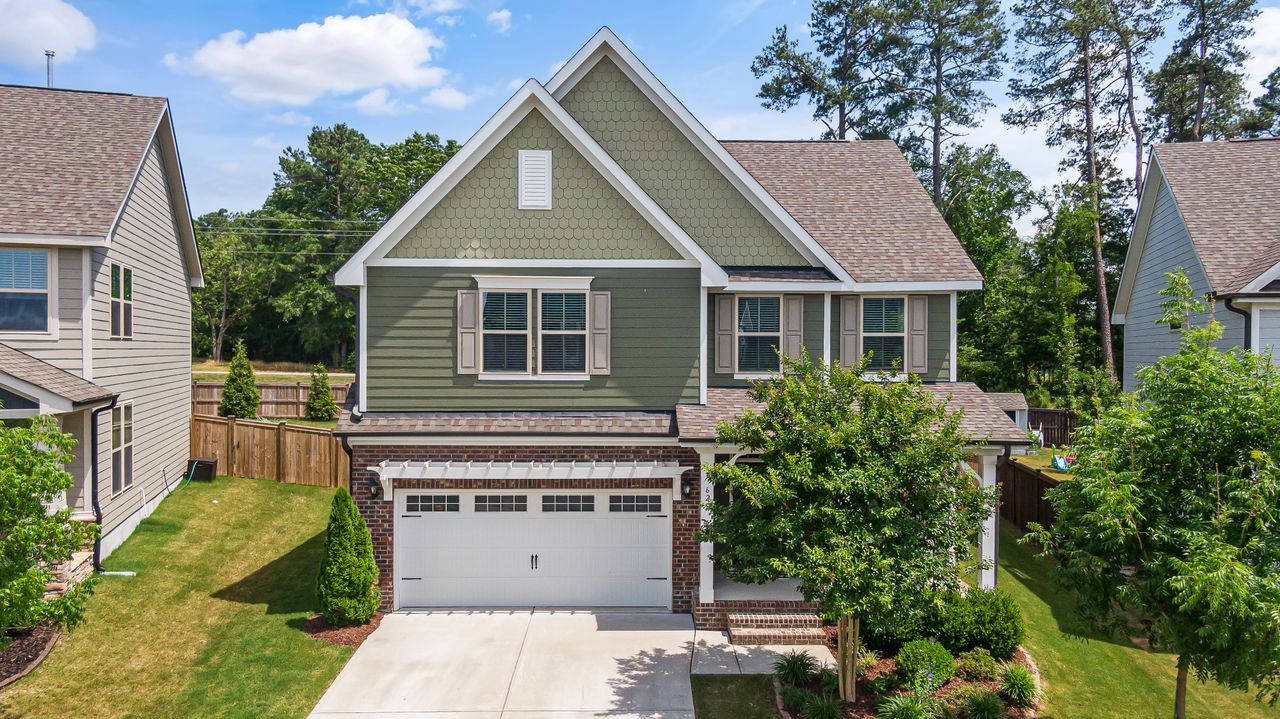
Madrone Heights is zoned R-6, with about five homes per acre. That often means tight side yards and fences close to the house. Before a big tree can go in, we need to know it can get there.
A mature tree moves with truck-mounted spade equipment, the same gear behind our tree transplant service. Our spades are 90 and 102 inches across, so each tree travels with a wide, heavy root ball. The truck needs a clear path from the street to the planting hole.
Gate width, fence lines, and side-yard space all affect whether the truck can reach. Slopes, window wells, and new sod matter too. A spot that looks open from the patio may be blocked at the side gate.
That is why we start with a site visit before any digging. We walk the route the truck would take. We check your gates, slopes, and the spot where you want the tree. If access looks tight, we talk through your options with you, such as a different spot or a smaller tree.
We use drive mats to help protect your lawn and patio during the move. The mats spread the truck's weight so it does not press ruts into new sod.
Madrone Heights also has landscaped common lots, so your HOA may have rules about trees. Before you plan, check a few things first:
- Your HOA's CC&Rs for front-yard tree spots and allowed species
- Where your fences and gates sit along the truck's path
- Idaho 811, which must be called at least two business days before any digging.
The 17-Minute Drive from Madrone Heights to the Farm on Lake Shore Dr
Some buyers want to walk the rows at our tree farm and tag their own tree. If that sounds like you, the trip is short. Our farm is about 17 minutes and 12.5 miles from Madrone Heights, mostly on straight farm roads.
Madrone Heights is one of many Treasure Valley communities we serve. The route leaves Kuna on W Kuna Rd and heads west through open country. It ends on Lake Shore Dr, near the south side of Lake Lowell. Call ahead before you come so we can have someone ready to walk the rows with you.
Here is how to get to us:
- Start on W Trout Lily St and head toward W Kuna Rd.
- Turn right onto W Kuna Rd and go 4.6 miles west.
- Turn right onto Southside Blvd and go 1 mile.
- At the traffic circle, turn left onto Deer Flat Rd and go 2 miles.
- Turn right onto ID-45 N and go 0.5 miles.
- Turn left onto Emerald Rd, which becomes Lake Shore Dr, and go 4.4 miles.
- Our farm is on the left.
A few tips for your visit:
- Slow down after ID-45, since farm driveways sit close together.
- Wear boots, because the tree rows can be muddy after watering.
- Bring photos of your yard and the width of your side gate.
- Know roughly where you want the tree, so we can match its mature size to the spot.

What Big-Tree Planting Looks Like Near Madrone Heights and Sutter's Mill
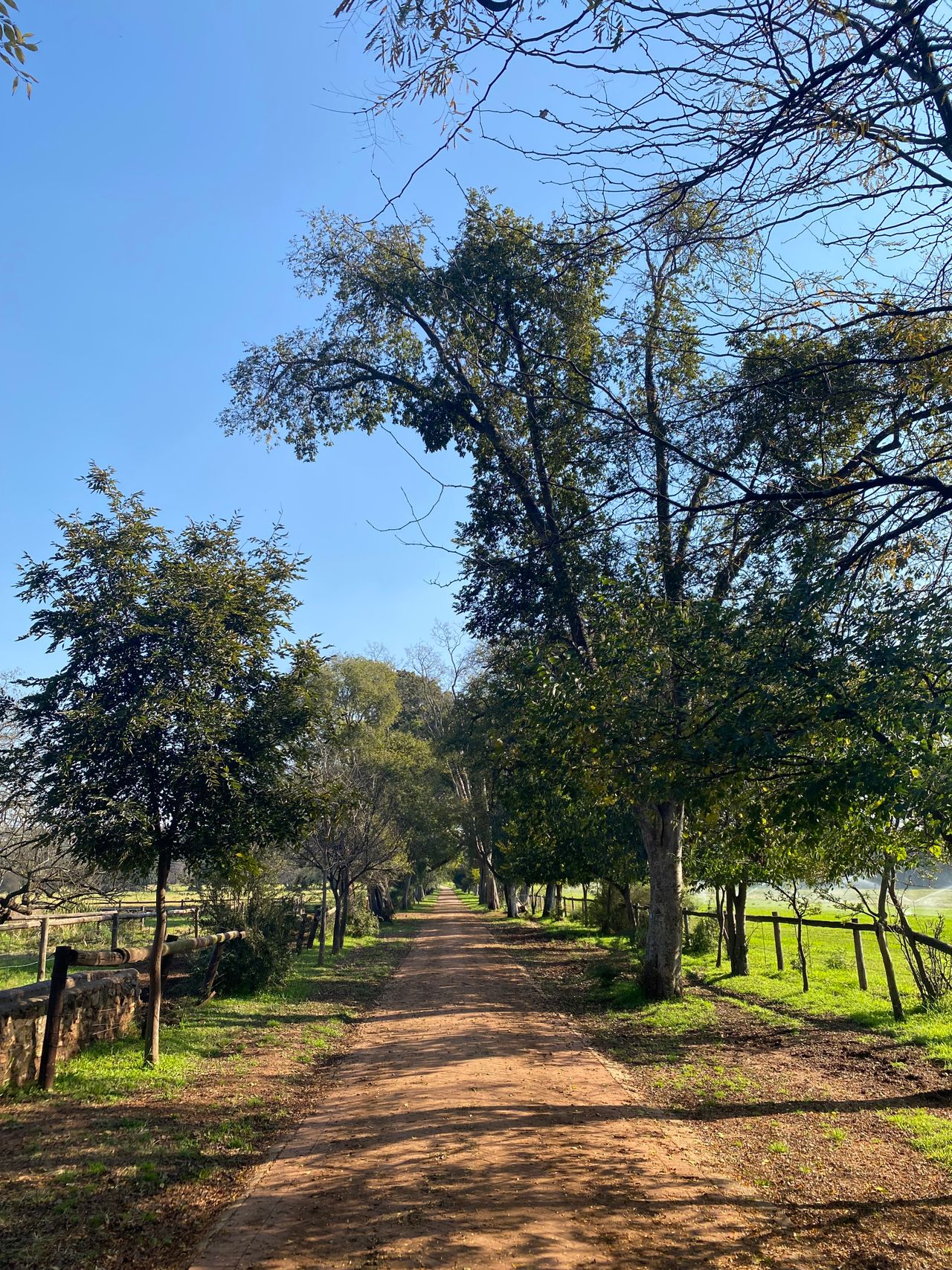
We bring the tree to you, so it helps to know what planting day looks like. Most yards in Madrone Heights and Sutter's Mill start the same way, with a bare spot and a clear plan. Here is how a typical tree-spade planting goes:
- We confirm the spot, the truck path, and that utility lines are marked.
- The spade digs the planting hole in your yard first.
- We dig your tree at the farm with the same size spade, so the root ball matches the hole.
- The truck carries the tree to your yard with its roots still in their own soil.
- We set the tree in the hole, fill any gaps, water it in, and add mulch.
Owners in this area often ask for the same few types of trees. Common picks from our current rows include:
Maples, such as Crimson King Maple, for deep summer shade
Honey locust, such as Sunburst Locust, for lighter, filtered shade
Flowering pear, such as Aristocrat Pear, for spring blooms in a neat, upright shape
Crabapple, such as Spring Snow Crabapple, for white spring flowers on a smaller lot
Our trees’ trunk sizes run from a few inches across to more than a foot thick. We help you match the size to your yard, your budget, and what the truck can reach.
With each of these, the tree shows up already grown. We plant it in your yard, and it starts giving shade right away. You can browse more mature shade trees for Kuna new builds in our trees catalog.
First-Year Care Keeps New Trees Alive on Pressurized Irrigation
The first year after planting matters most for a large tree. Its roots are still growing out into your soil. How you water in that first season has a big effect on how well it settles in.
In Kuna, many yards water from the city's pressurized irrigation system. That water only runs during the irrigation season. It usually starts in mid-to-late April and ends in early to mid-October, when the irrigation districts stop deliveries. Check with your HOA or the city if you are not sure which system serves your lot.
After planting, we give you a simple watering plan tied to your irrigation season. The core of it is a deep, slow soak about once a week. In the hottest weeks of summer, that may go up to twice a week. Slow water soaks down to the roots instead of running off the top.
Aim the water close to the trunk and just past the edge of the root ball. That is where a new tree's roots are at first. University of Idaho Extension advises weekly watering for new trees for their first three years, even water-thrifty ones.
A few things can change your plan. The city can order alternate-day watering, based on whether your street address is odd or even. If we plant after the irrigation water shuts off in fall, keep watering by hose until the ground freezes.
A few habits help your tree through its first few seasons:
- Follow the watering plan we give you, not your lawn schedule.
- Use a drip line or soaker hose at the tree, as Kuna's guide suggests.
- Keep a mulch ring 2 to 3 inches deep around the base.
- Pull weeds by hand near the tree, and keep weed killer away from the root zone.
- Hold off on fertilizer until you see new growth.
- Call us if leaves wilt, yellow, or drop early.
A mature tree is a real investment. Good early care lowers the chance of losing it before it can settle in.

Frequently Asked Questions
Trees are serious, and so are your questions. Here are just a few:
How Long Is the Drive from Madrone Heights to Your Farm?
The drive takes about 17 minutes and covers about 12.5 miles. You take W Kuna Rd west, then Deer Flat Rd and ID-45, then Lake Shore Dr to our farm near Lake Lowell. Most of the trip is on straight farm roads.
Can a Big Tree Fit in a Small Madrone Heights Backyard?
It depends on your gate width and side-yard space. Our spade equipment needs a clear path to the planting spot. A site check before any digging tells you for sure. If the backyard is out of reach, a front-yard spot may work instead.
Do I Need HOA Approval Before Planting?
You should check your HOA's CC&Rs before you plant. Some rules cover which species are allowed and where front-yard trees can go. Ask your HOA first, and ask us if you have questions.
When Is the Best Time to Plant a Big Tree in Kuna?
Spring and fall are the best times to plant a big tree in Kuna. Cooler weather puts less stress on a tree while its roots settle in. A fall tree planted after irrigation shuts off will need hose water until the ground freezes. Call us to check digging and planting dates for your yard.
Will the Truck Damage My New Lawn?
We use ground mats to help protect your lawn and patio. The mats spread the truck's weight over a wider area. That helps keep new sod from getting deep ruts.
How Often Should I Water a New Tree on Pressurized Irrigation?
Give your new tree a deep, slow soak about once a week during irrigation season. In the hottest summer weeks, you may need to water twice a week. Follow the watering plan we give you after planting, since each tree and yard is a little different.
COMPANY
CUSTOMER CARE
LOCATIONS
NEWS
LEGAL


© Copyright 2026. Melad Tree Farm. All Rights Reserved.