
From the Melba Canyon to Lake Shore Drive:
Trees Built for Open Farm Ground
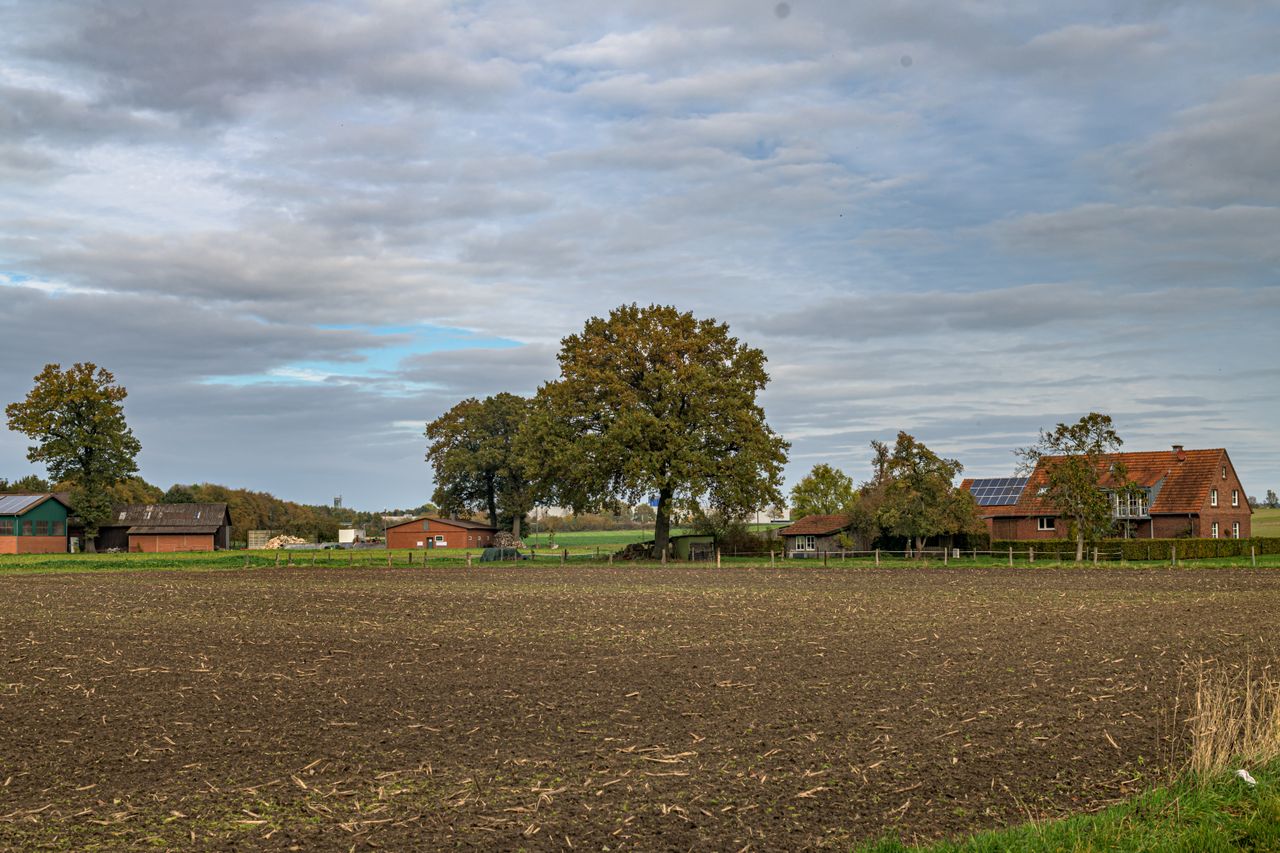
Canyon Cattle Feeders sits low in a canyon off Warren Spur Road in Melba. Up on the flat ground around it, ranch homes don't get that kind of cover. If you live out here, you've watched wind and summer sun beat on a bare yard.
We grow trees for big rural lots south of Lake Lowell. Our trees grow in field rows on our farm along Lake Shore Drive. Looking for a tree nursery near Canyon Cattle Feeders? Our Nampa farm is a drive north by way of Hill Road and ID-45.
This page is for ranch families, acreage owners, and anyone with an old farmhouse near Warren Spur. Farmhouses out here can be more than a century old. They sit along open pasture with wide fence lines and plenty of space to plant.
Most of our stock is 5 to 10 years old, so a new tree starts out with some height. Check what's in stock before you hitch up the trailer. That way, the tree you came for is still in the ground when you get here.
Wind-Tough Trees for Open Ground Near Canyon Cattle Feeders
The feedlot on Warren Spur Road was built in a smart spot. It sits down in the canyon, and the walls take the worst of the weather before it reaches the pens. The cattle get shelter from the land itself.
Homes on the flat ground above the canyon miss out on that. A ranch up top with only a few trees takes the full push of the wind, with nothing to slow it.
Dry air comes with it and pulls moisture out of a bare yard.
We help you choose trees that hold up to steady wind and dry air.
Tell us which side of your place the wind hits first. We'll point out trees in stock that fit
that edge of your property.
A tree row can do for your place what the canyon walls do for the feedlot.
Set along the windy side, a good row can:
- Break the wind before it hits your house and yard
- Give you a calmer, sheltered side of the property
- Shelter the garden or lawn on the far side of the row
Planning Shelterbelt Rows and Shade
on Warren Spur Parcels
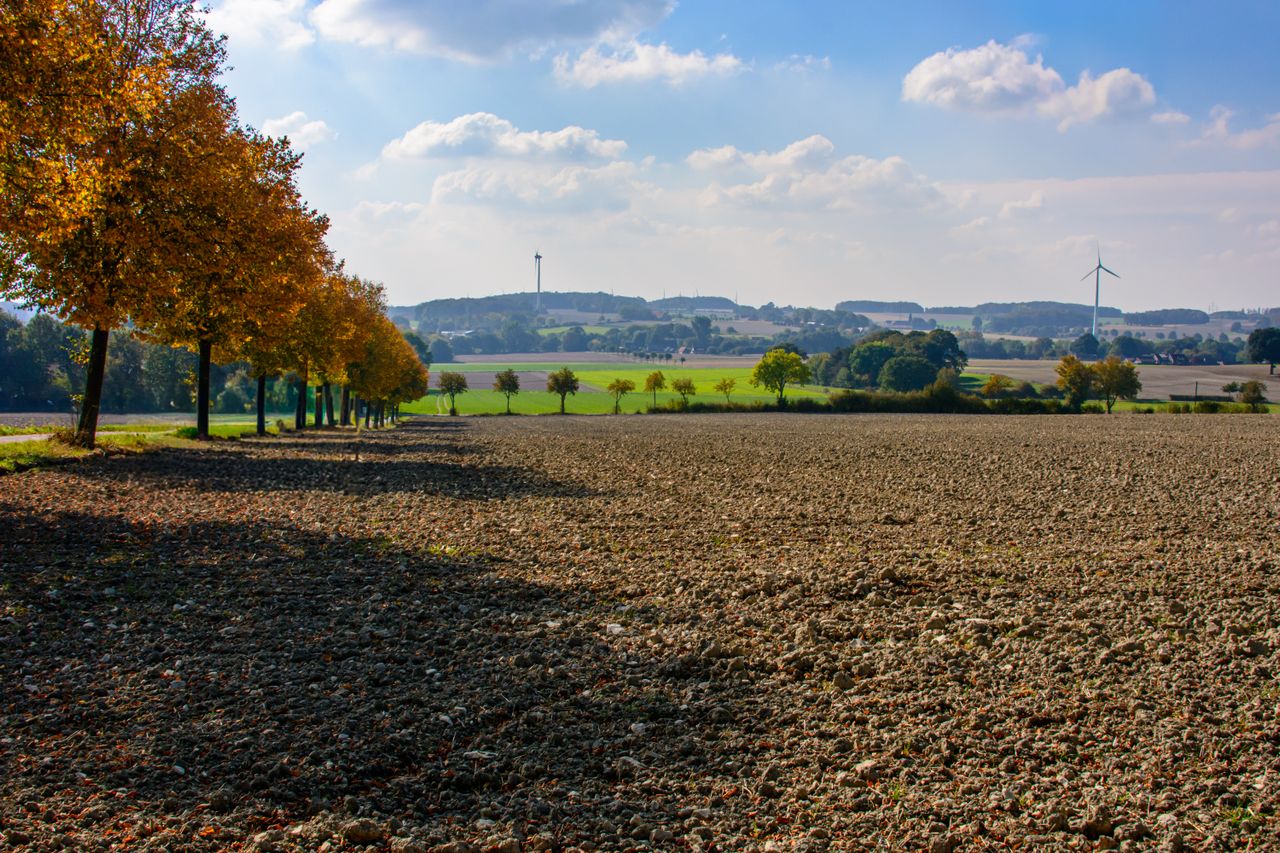
Parcels along Warren Spur Road range from under an acre to large farm ground. The bigger ones come with long fence lines, a shop or barn, and open space between buildings. On ground like that, you're laying out a whole planting plan, not picking one tree.
We help you split the plan in two. Quicker-growing shade trees go close to the house and the spots where you spend time. Slower, longer-lived trees go in rows along the fence lines and become a windbreak over the years. The shade comes first, and the windbreak keeps working for decades.
The same plan fits big parcels out toward the Walter's Ferry side. Larger lots there often have long edges and open ground too. Mixing shade and shelterbelt trees lets you plan for next summer and for the long run. For help planning a windbreak's layout, see University of Idaho Extension's Trees Against the Wind.
Measure your rows before you come up. Bring these numbers:
- Feet of fence line you want to cover
- Where your house, barn, and outbuildings sit
- Which side takes the most wind
With those numbers, we can help you work out a tree count. You'll head home with the right number of trees and skip a second trip.
Prep Work on Your Melba Ranch
Before Pickup Day
If you live in the Melba Joint School District area, your water setup probably isn't like a town lot's. Many places out here run on wells and irrigation ditches, not city water. That changes how you'll water a new tree, so sort it out before pickup day.
A little prep at home means your trees go in the ground the day you get back. Use this checklist before you come up to the farm:
Dig spots: Mark where each tree will go. Call Idaho 811 at least two business days before you dig.
Water source: Decide how you'll reach each spot, whether that's a well line, a hose run, or ditch water.
Mulch: Have mulch on hand to spread around each tree after planting.
Stakes: Gather stakes and ties for trees on open, windy ground.
The drive home needs a plan too. Bring tie-downs and a tarp for your truck or trailer. Highway wind can whip leaves and branches, and a covered, tied-down load arrives in much better shape.
The Drive from the Melba Canyon
to Lake Shore Drive
If this is your first trip, the route up from Warren Spur Road is easy to follow. It feels a lot like a run up to Nampa for feed or parts. Plan on about 22 minutes and 18.5 miles.
Farm traffic shares these roads. Tractors and hay trucks move slowly, so leave a little extra time and arrive without rushing.
Starting at Canyon Cattle Feeders:
- Pull out heading northwest. Warren Spur Road takes on the Hill Road name, and you'll stay on it about 4 miles.
- At Base Line Road, go left. Hill Road shares this stretch, which runs 1.3 miles.
- Make another left at Melba Road. The highway is less than half a mile ahead.
- Keep slightly right, then roll straight onto ID-45 North. This long, straight leg runs 8.5 miles, the biggest part of the trip.
- Go left at Emerald Road. Once it picks up the Lake Shore Drive name, stay with it for 4.4 miles.
Pull in at 12747 Lake Shore Dr, Nampa, on the south shore of Lake Lowell. Our entrance sits on the driver's side as you drive in.

Trees Melba-Area Buyers Haul Home
from Our Nampa Rows
Families on the Guffey Bridge side of the river, near Celebration Park, make the trip up to our farm too. Melba is one of the many Treasure Valley communities we serve. Most buyers from out here come for one of three jobs.
Windbreak rows: A line of trees set between open land and the buildings you want to protect.
Farmhouse shade: One or two trees placed to cool the house, the porch, or a gathering spot.
Replacement trees: New trees to take the place of old ones lost to age, storms, or disease.
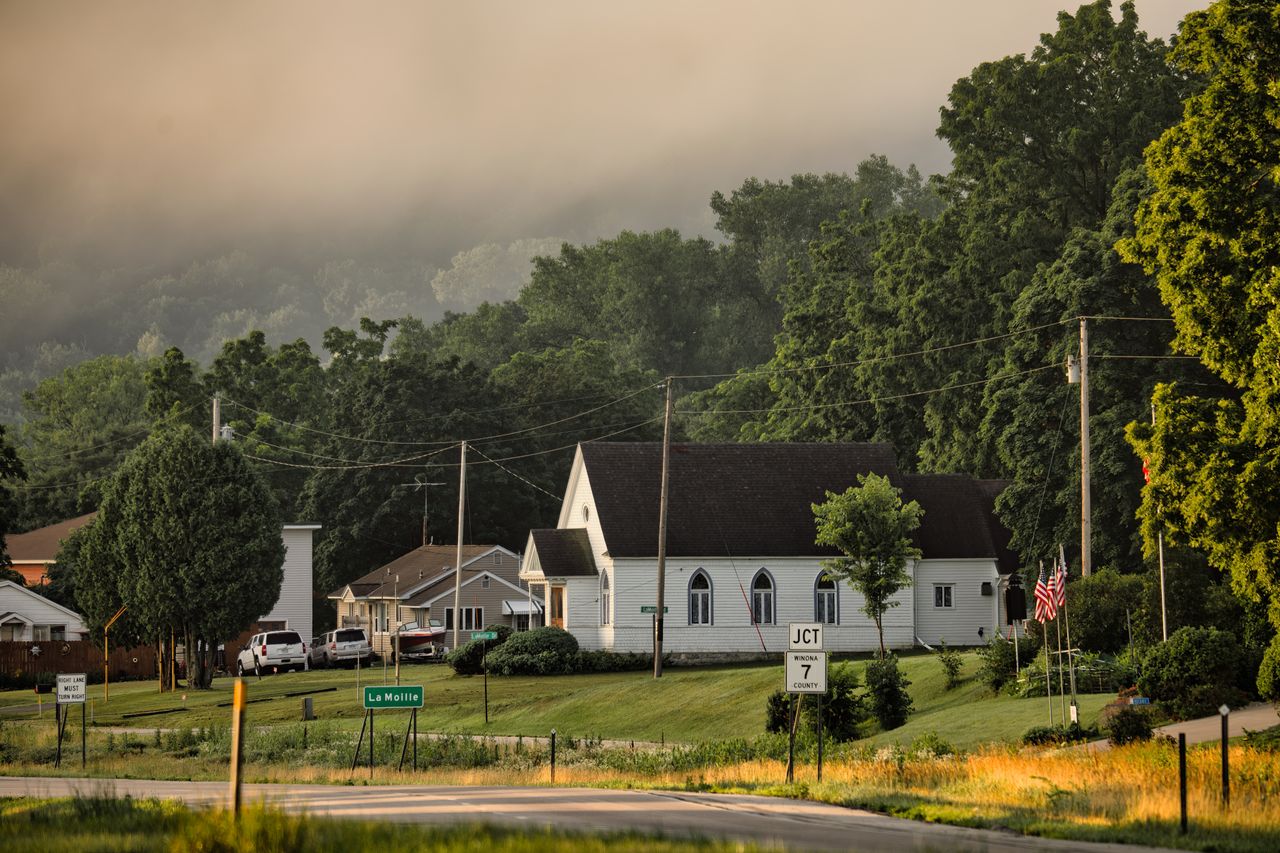
That last job matters on older properties. At least one home on Warren Spur Road dates to 1914. Shade trees planted around houses that old may be nearing the end of their life.
Buying from us means you see the exact tree before you pay.
Look over the trunk, branches, root ball, and overall size while it's still in the field. If you're replacing a big old shade tree, that look helps you pick one sized for the spot.
Two Summers of Care for New Trees in
South Canyon County
New trees near open sagebrush land face a tough first summer. The same goes for lots along the edge of the Birds of Prey area. July heat is hard on a newly planted tree, and open ground gives it no shade to hide in.
The same holds closer in, around Melba town and along Powerline Road. Open lots there soak up sun with little shade nearby. A simple care routine gets your tree through those hot weeks.
Here's what we suggest for each new tree:
Deep watering: Water slowly and deeply so it soaks down to the roots, not just the surface.
Mulch rings: Spread a ring of mulch around the base to hold moisture and keep the soil cooler.
Guards: Wrap the trunk or fence the tree to keep rabbits and deer from chewing it.
Write out a watering plan that carries your tree through two full summers. That's how long new roots need to reach into the ground around them. A plan on paper is easier to follow when July heat hits.
Frequently Asked Questions
Trees are serious, and so are your questions. Here are just a few:
How far is the farm from Warren Spur Road?
About 18.5 miles, or roughly 22 minutes. Most of the trip is the straight run up ID-45. From there, Emerald Road carries you onto Lake Shore Drive and the farm.
Will a tree fit in my pickup?
Smaller trees usually will, if you tie them down and cover them with a tarp. Bigger trees may not. Ask us about size limits and delivery before you come.
Which trees make a good windbreak along a Melba fence line?
Trees set in shelterbelt rows give the best protection from wind and dry air. Ask our staff which ones are ready now. We'll match options to your ground and your row length.
Do I need a permit to plant on rural Canyon County land?
Usually not, for trees on your own rural land. If a windbreak row runs along a county road, check the right-of-way setback first. Keep trees clear of ditch easements and power lines, and call Idaho 811 before you dig.
Should I plant in spring or fall out here?
Both seasons work, and the better pick depends on the tree type. Ask us which season suits the trees you have in mind.
Can I come on a busy Melba event weekend?
Call us first, because our regular hours are on weekdays. Melba's Fourth of July celebration also brings heavy traffic downtown.
A quick call helps you pick a day that works for both of us.
COMPANY
CUSTOMER CARE
LOCATIONS
NEWS
LEGAL


© Copyright 2026. Melad Tree Farm. All Rights Reserved.