Tree Nursery Near Claytonia in Nampa:
A Short Drive Across the Snake River
Claytonia sits in Owyhee County, just northwest of Marsing on the west bank of the Snake River. If you live out here, finding a real tree nursery usually means a drive — and we want to make that drive worth it.
We're Melad Tree Farm, an orchard-style growing operation on the south shore of Lake Lowell. Our address is 12747 Lake Shore Dr, Nampa, ID 83686, but we sit closer to Marsing than to downtown Nampa. From Claytonia, you're about 11 miles east of our gates.
Looking for a tree nursery Claytonia locals trust? You're 16 minutes from one. The route stays on country roads — no I-84, no Karcher Junction backup, no Boise traffic. You cross the Snake River once and follow Marsing Rd along the lake.
Proximity matters more than people think. Most of our trees are 5 to 10 years old when you buy them. A short trip home means less wind whip on the canopy and less root shock in the bucket. That's a real difference for an acreage owner planting along a ditch bank or a pivot corner.
We're a working orchard, not a holiday lot. We don't sell Christmas trees or seasonal decor. What we grow are shade, ornamental, and evergreen trees built for Treasure Valley yards. Dormant-season visits are welcome — call ahead at (208) 850-8601 so we can confirm stock before you load up.
Trees Grown For Snake River Valley Yards, Not Big-Box Pallets
Big-box stores truck pallets of trees in from Oregon, Utah, or further.
Those trees hit our valley already stressed and rarely match local soil. We grow our stock right here on Lake Lowell's south shore.
That matters for Claytonia acreage owners. Your ditch banks, pasture corners, and driveway lines need trees that already know this climate. Ours are matched to USDA Zone 7a — the Treasure Valley standard — and have spent five to ten years hardening off in the same wind and sun your property gets.
Lake Lowell helps. The water moderates temperature swings on the south shore, which gives young stock a softer place to grow before transplant. The Sunnyslope vineyards north of us prove this microclimate suits perennials.
Here's what you can expect to see on the lot:
- Shade trees like Patmore Ash, Summit Ash, Littleleaf Linden, Northern Red Oak,
and Autumn Blaze Maple
- Ornamental trees like Spring Snow Crabapple, Canadian Red Chokecherry, Accolade Cherry, and Hawthorne
- Evergreens like Colorado Blue Spruce, Serbian Spruce, and Bristlecone Pine
Every tree on this lot was grown with Owyhee County and Canyon County yards in mind.
You can browse our full tree catalog before you drive over.
What Claytonia and Marsing Soil Means for Your New Trees
The Marsing soil series runs across much of the ground from Claytonia east toward Lake Lowell. It's loam over sand and gravel within the first 20 to 40 inches. That layout drains well, but the hard transition can stop a young root cold.
The pH runs moderately alkaline, around 8.0. That's typical for Owyhee bottoms and the broader Snake River Valley. It changes which trees thrive on your property and which ones slowly fail. The USDA NRCS Official Series Description for Marsing soils lays out the full profile if you want to dig deeper.
Pick species that tolerate calcareous, well-drained ground. Skip the acid-lovers — they'll yellow out and decline within a few seasons.
A few rules of thumb for your soil:
- Strong picks: Sunburst Locust, Patmore Ash, Summit Ash, Littleleaf Linden, Hawthorne, Northern Red Oak, Colorado Blue Spruce
- Skip: anything labeled for acidic soil, including blueberry, rhododendron, and pin oak
- Plant timing: late fall after dormancy, or early spring before bud break, while the ground still holds moisture
Bring a quart bag of soil from root depth on your lot. We can match stock to what you've actually got, not what the bag at the big-box says you should have.
Picking The Right Tree for Owyhee County Wind And Sun
Dry summer winds blow off the Owyhee plateau most afternoons. Young trees need staking through the first season — bring two stakes and soft ties when you plant. We can show you the right knot before you leave the lot.
The sun is intense out here. Claytonia and our farm both sit on the high-desert floor of the Snake River Valley — open exposure, no mountain shelter. Bark sunscald is real on the south and west sides of thin-barked trees. Ask us about trunk wraps for your first winter, especially on Accolade Cherry, Spring Snow Crabapple, and young maples.
Sunnyslope vineyards north of us run 14 weather stations across this microclimate. They've shown what perennials handle the wind, sun, and short irrigation seasons. The same lessons apply to your tree picks.
For Claytonia and Marsing properties with full exposure, these tend to perform:
Sunburst Locust — open canopy, shrugs off wind and dry summers
Patmore Ash and Summit Ash — broad shade trees built for alkaline ground
Hawthorne — small, tough, and handles ditch-bank conditions
Northern Red Oak — slow start, but a long-term anchor for windbreak corners
Colorado Blue Spruce and Bristlecone Pine — evergreens that hold up to high-elevation sun
If your lot has a ditch, pond, or high water table, ask about our Laurel Willow and Prairie Cascade Willow for those wet spots.
How To Get Here from Claytonia Without Crossing Boise Traffic
The drive from Claytonia is 11.1 miles and runs about 16 minutes via Marsing Rd. You stay on country roads the whole way. No I-84, no Karcher Junction backup.
Here's the route:
- Head toward S Edison Rd (about 177 ft)
- Continue onto S Bruneau Hwy for 1 mile
- Turn right onto S Bruneau Hwy / Old Bruneau Hwy and follow it 1.5 miles
- Turn left onto ID-55 N / Main St through Marsing — this is where you cross the Snake River bridge
- After 0.5 miles, turn right toward Sunny Slope Rd
- Continue onto Sunny Slope Rd for 2 miles
- Continue onto Marsing Rd along Lake Lowell's south shore for 5.9 miles
- Destination is on the right at 12747 Lake Shore Dr — watch for the Lake Side Barn as you approach
The Marsing Rd stretch hugs the south edge of Lake Lowell.
It's a quiet rural road, which is good news if you're hauling a wrapped sapling home.
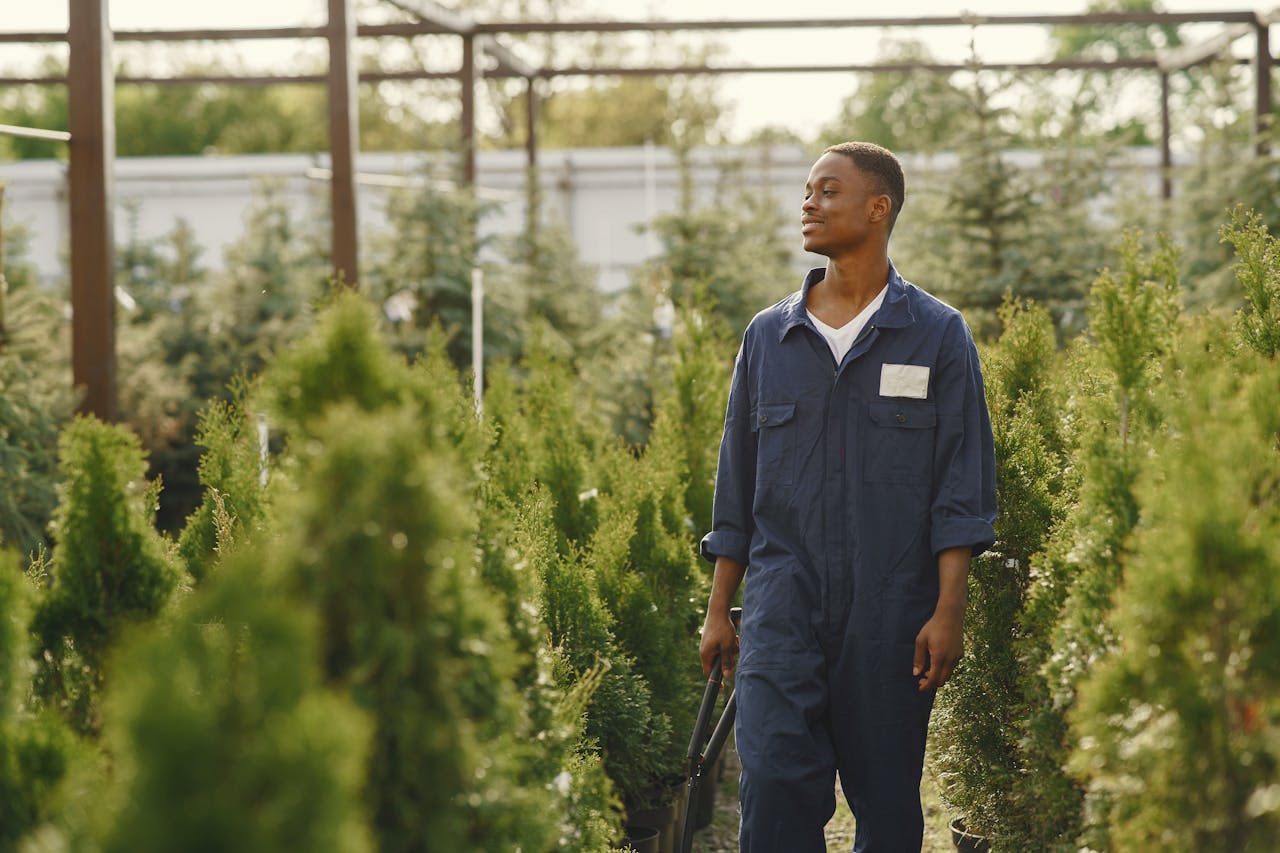
Loading, Hauling, And Placement from the Sunnyslope Side
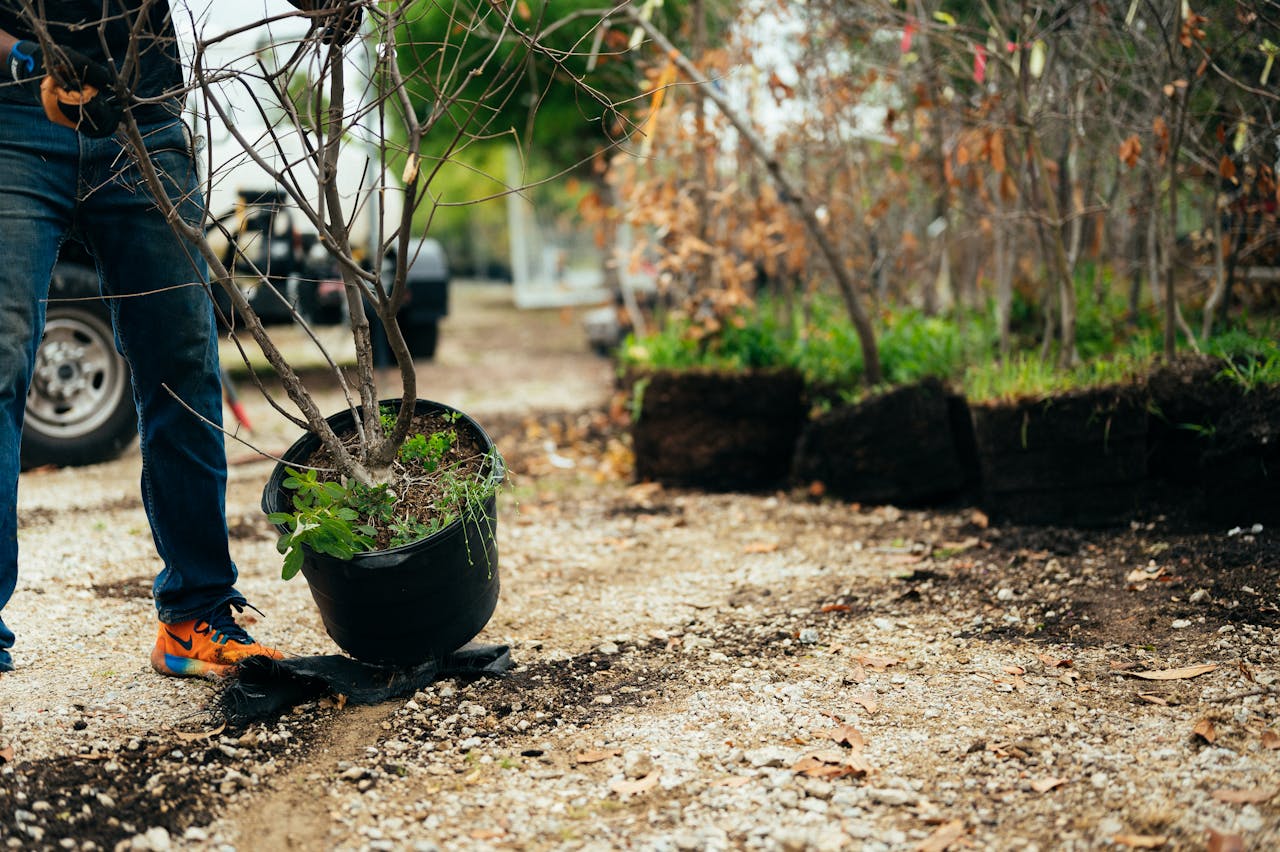
Most of our trees are 5 to 10 years old, balled and burlapped. That means a real root ball, real weight, and a real plan for getting it home. Think it through before you arrive.
Here's what works for the Marsing Rd haul:
Pickup truck or SUV with a tarp — fits most B&B sizes we sell
Open trailer — best for taller stock or multiple trees in one trip
Tie-down straps and a tarp — bring your own; we help load, but securing the load is on you
Wind whip is the silent killer on the way home. A wrapped canopy flapping in the open at highway speed can shred new leaves and break tender branches. The good news is the Marsing Rd route is a slow rural stretch back to Claytonia. Tarp the canopy loosely and you'll be fine.
Plant the same day if you can. Keep the root ball moist and shaded until it goes in the ground. If life gets in the way, set the tree on the north side of a building, water the ball deeply, and plant within 48 hours.
Have your hole dug before you leave for the farm — twice as wide as the root ball, and no deeper. That one habit saves more young trees than any other planting tip we give.
Why The Trip From Claytonia To Lake Lowell Is Worth It
Sixteen minutes east of Claytonia, you get a working orchard instead of a parking-lot pallet rack. The selection is bigger than what feed-and-seed shops in Marsing or Homedale can stock. You see the trees in the ground, growing in the same soil and climate as your property.
Our staff plant in this valley year-round. We know which trees survive an Owyhee summer and which ones quietly fail by year three. Ask us a real question and you'll get a real answer — not a tag from a shipping pallet.
A few reasons the drive pays off:
Climate-acclimated stock — five to ten years of growth in Treasure Valley wind, sun, and alkaline soil
Honest matchmaking — we'll talk you out of a tree that won't work on your lot
One trip beats three — fewer dead saplings means fewer warranty arguments and fewer return drives
A quiet route home — Marsing Rd along Lake Lowell beats a big-box parking lot in every way
Pair the visit with a Sunnyslope wine tasting on the way back.
The vineyards between us and the Marsing bridge are worth a stop. You leave with a tree that fits your land and an afternoon that didn't cost you anything in traffic.
Call (208) 850-8601 to confirm what's on the lot before you drive over. Dormant-season visits are easiest for loading and planting. Claytonia is one of many Treasure Valley communities we serve from our Lake Lowell location.
Frequently Asked Questions
Trees are serious, and so are your questions. Here are just a few:
How long is the drive from Claytonia to the tree nursery?
About 11.1 miles and 16 minutes via Marsing Rd. The route stays on country roads — you cross the Snake River once at Marsing and follow Lake Lowell's south shore the rest of the way. No I-84 and no Karcher Junction.
Do I need a truck to haul a tree home?
A pickup or SUV with a tarp handles most balled-and-burlapped sizes we sell. An open trailer is better for taller stock or multiple trees in one load. Bring your own tie-down straps — we help load, but securing the load is on you.
What's the best time of year to plant in Owyhee County?
Late fall after dormancy or early spring before bud break. The ground still holds moisture in those windows, and the tree can settle roots before summer heat hits. Avoid planting in July or August if you can.
Will trees survive the alkaline soil near Claytonia?
Yes — if you pick the right species. Marsing-area soil runs around pH 8.0, so choose calcareous-tolerant trees like Sunburst Locust, Patmore Ash, Summit Ash, Hawthorne, or Colorado Blue Spruce. Skip acid-lovers like blueberry, rhododendron, and pin oak.
Is the lot accessible during Lake Lowell hunting season?
Yes — our farm operates separately from Deer Flat National Wildlife Refuge access. Refuge hunting hours don't affect our gate.
Call ahead at (208) 850-8601 to confirm posted hours before you drive over.
Can I bring a soil sample from my Claytonia property?
Yes — bring a quart bag from root depth, ideally from the spot you plan to plant. We'll match stock to what you've actually got on the ground. It's the fastest way to avoid a tree that looks great on the lot but struggles on your land.
COMPANY
CUSTOMER CARE
LOCATIONS
NEWS
LEGAL


© Copyright 2026. Melad Tree Farm. All Rights Reserved.