From Melba Park to a Nampa Tree Nursery:
Shade Trees for Seed Country
Melba Park in Melba is the small town park on Charlotte Drive. Melba calls itself the "Seed Heart of America," and the name fits. Many yards here back right up to seed fields and open farm ground. A tree planted in Melba has to earn its spot out in the open.
If you want a tree nursery near Melba Park, our Nampa farm is a short drive north. We grow our trees on orchard land at 12747 Lake Shore Dr, Nampa. Below, you'll find how to choose a tree for a Melba yard, get it home, and keep it healthy through summer.
The short drive works in your favor:
- Fresh trees. Less time on the road means less stress on the roots before planting.
- Room to match. Melba lots run from small in-town yards to wide acreage. You can choose a tree that fits yours.
- Better placement. Open farm ground and irrigation ditches both shape where a tree should go.
Check what's in stock first, then plan your drive up from Melba. Our tree nursery near Melba Park in Nampa is about 20 minutes north of town.
Melba Yards Need Trees That Can Handle Open Ground
Some of you live in town, a few blocks from Melba City Park. Others live on farm acreage outside town, with fields on every side. Both kinds of yards share the same challenge:
wide open ground around the house.
Many Melba lots border seed fields, so little stands between your yard and the wind. A young tree out here doesn't get the shelter it would have between rows of houses. Farmland surrounds the town, and the Snake River canyon sits about three miles southwest.
That's why each tree you plant should have a clear job. Most yard trees here do one of these:
- Block the wind along the side of your yard that faces open fields.
- Shade a porch or patio through hot summer afternoons.
- Line a lane or long driveway on your acreage.
Before you come out, decide which job your tree needs to do.
Then ask us which trees fit that job and your space.
Picking the Right Tree for an In-Town Lot or Melba Acreage
Melba covers less than half a square mile. Step past the edge of town and most of the land is rural. So the right tree for you depends on which side of that line you live on.
In-town lots near Charlotte Drive
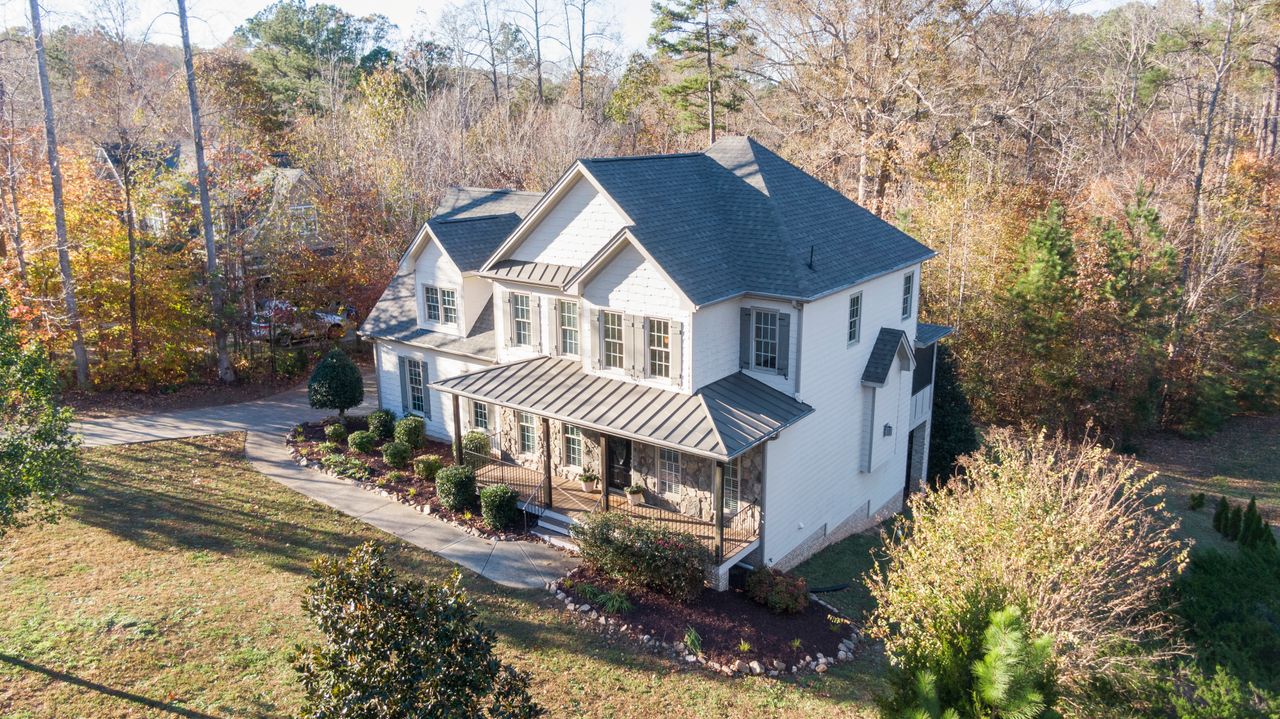
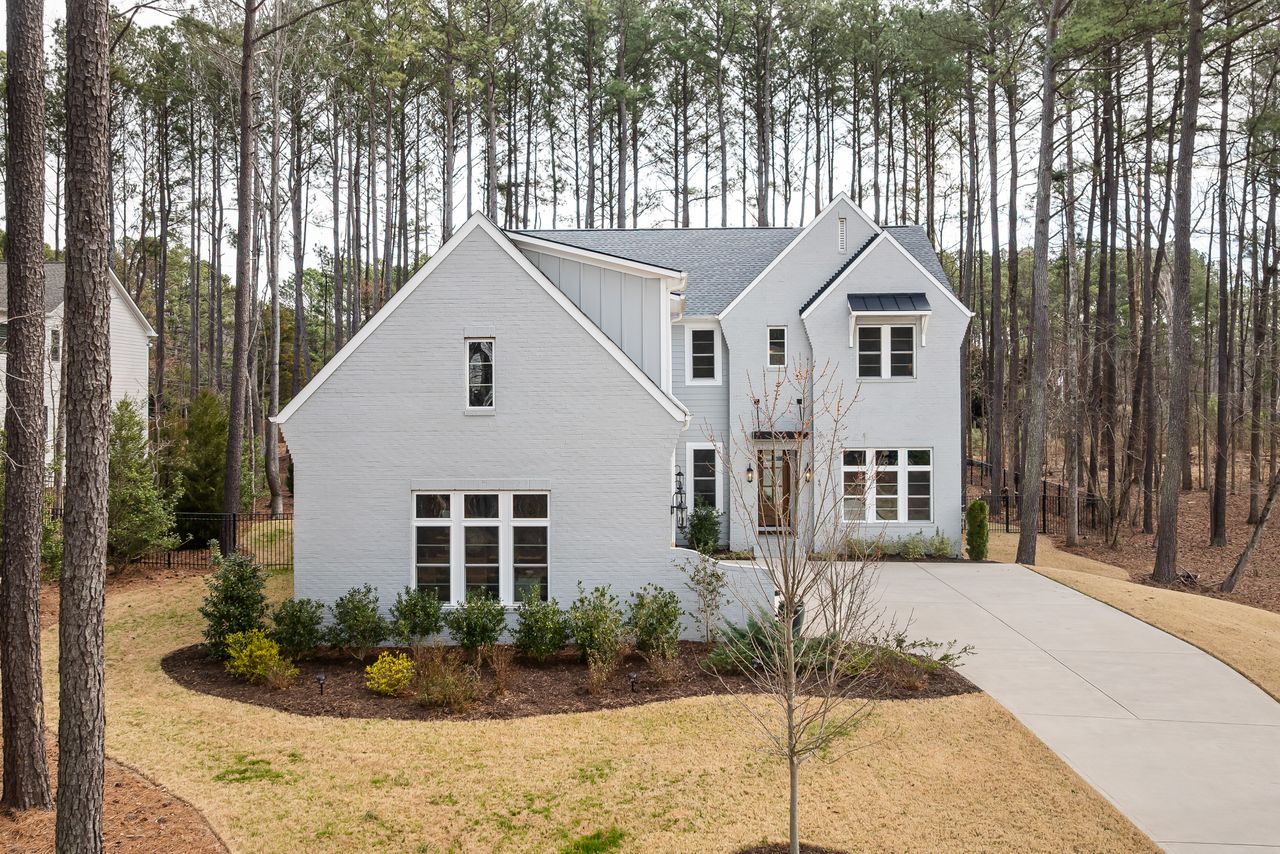
On an in-town lot, space is the main limit. Pick a tree that stays compact as it grows. Keep it a safe distance from the house and clear of power lines overhead.
Before you choose, measure how far the spot is from your roofline and any wires. Write those numbers down. Then we can compare each tree's full-grown size to the room you really have.
Rural parcels with room to spread
On acreage, you have room for more than one tree. A row of fast-growing shade trees can form a windbreak along a field edge. Over time, that row slows the wind before it reaches your house and yard.
Most of our trees are 5 to 10 years old. So a new windbreak row starts with real height instead of thin starter trees. Tell us how long your field edge is, and we'll help you plan how many trees you need.
Getting Your Melba Planting Spot Ready Before the Trip
If this is your first tree, or your first year in a Melba home, a little prep goes a long way. A ready spot means your tree goes in the ground the day you bring it home. It also saves you a second trip.
Measure first
Measure the spot where the tree will go. Then measure your truck bed or trailer. With both numbers in hand, you can pick a tree that fits your yard and your ride home.
Know what's under and around the spot
- Mark your water lines. Know where they run before you pick a final spot.
- Find the ditch easement. A ditch easement covers the ditch and enough land on both banks for cleaning and repair.
- Get permission first. Idaho law requires written permission from the irrigation district or ditch owner before you plant trees in that strip. If a tree gets in the way of ditch work, you may have to remove it at your cost.
Call your irrigation district to learn how wide the easement is on your land.
Call 811 before you dig
A tree hole is deep enough to hit buried lines. Call Idaho 811 at 1-800-342-1585 before you dig. Call at least two business days ahead so crews can mark the lines in time.
The Drive from Melba Park to the Farm Is Short and Simple
At the farm, you can check a tree's roots and branch shape before you pay for it. A firm root ball and evenly spaced branches are good signs of a healthy tree. That's hard to judge from a photo, so the drive up from Melba is worth it.
Directions from Melba Park
The drive takes about 20 minutes and covers about 16 miles. The longest stretch is about 8.5 miles north on ID-45.
- From Melba Park, head to Charlotte Dr and turn left.
- Turn left onto Base Line Rd, which becomes Hill Rd. Follow it about 2.8 miles.
- Turn left onto Melba Rd and go about 0.4 mile.
- Bear right onto ID-45 N. Stay on it for about 8.5 miles.
- Turn left onto Emerald Rd, which becomes Lake Shore Dr. Follow it about 4.4 miles.
- Lake Lowell comes into view on your right near the end. Watch for 12747 Lake Shore Dr on the left side of the road.
Pick the right day
Skip the drive on the day of the Melba Olde Tyme 4th of July. Downtown Melba fills up for the parade and car show. On other days, call before you head out so we can tell you what's ready.
What to bring
Tie-downs to hold the tree steady in your truck bed or trailer.
A tarp to cover the roots and protect the branches.
An extra set of hands. Mature trees are heavy to lift.
For a tree too big to haul yourself, ask about our planting crew. Stock shifts through the year, so check what's ready before you load up.
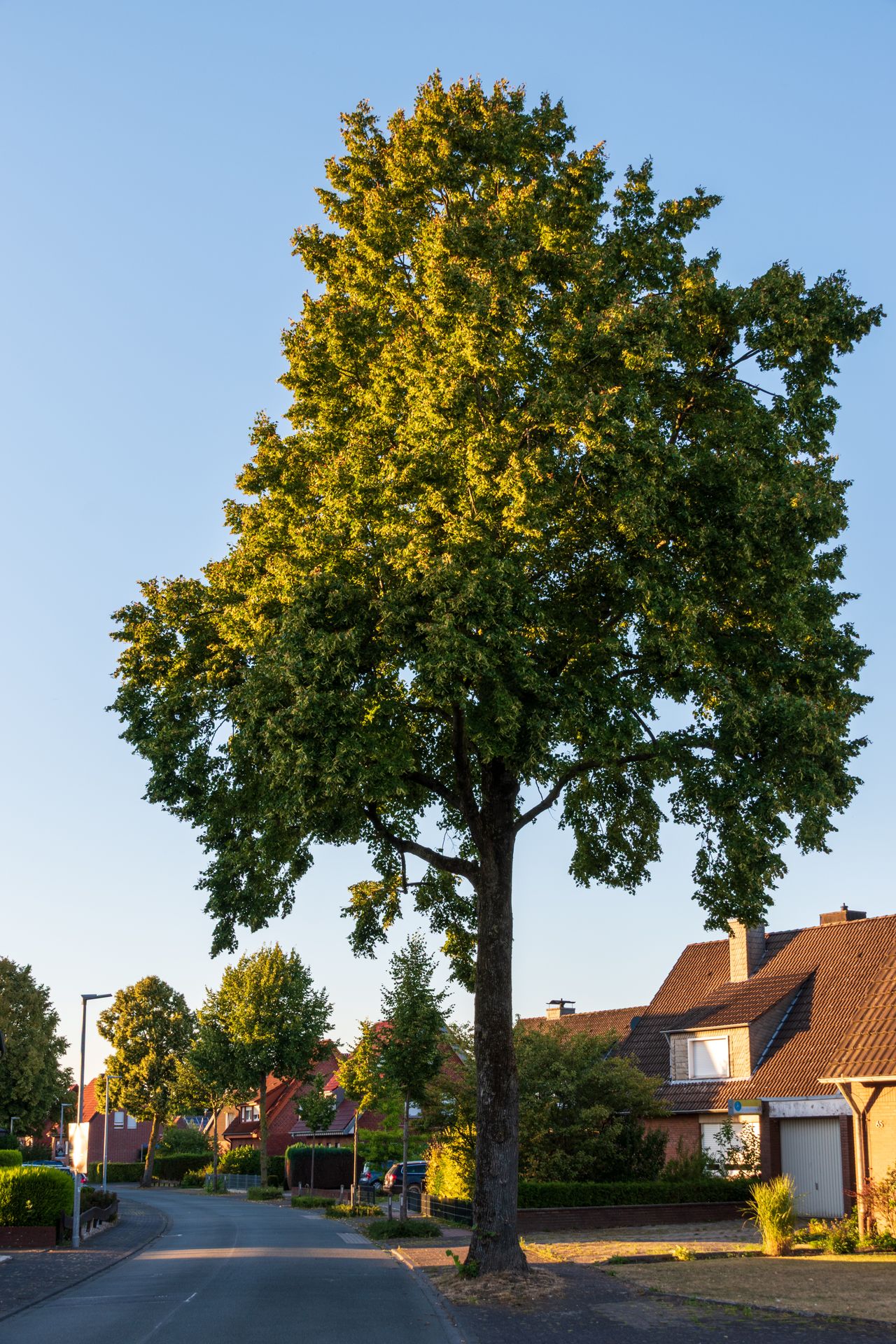
Hauling and Planting Your New Tree
Back in Melba
Whether you're headed to a town lot or a farm parcel, the trip home matters. A tree that rides home well settles into its new spot faster. A few simple steps keep it in good shape on the road.
Protect the tree on the road
Wrap the top. At highway speed, wind can strip leaves and snap small branches. Cover the top before you pull out.
Tie it down. Rural roads past fields and canals can be bumpy. Secure the tree so it can't roll or bounce.
Keep the roots covered. Keep the root ball shaded and moist until it goes in the ground.
Plant it the same day
Plant your tree the day you bring it home if you can. The longer it waits, the more the roots dry out. Have your spot measured and cleared before you leave Melba, and the job goes quickly.
Water deeply as soon as the tree is in the ground. A slow, deep soak settles the soil around the roots and gives them a good start. Rural homes between Melba and the Kuna Caves sit on the same kind of open ground. The same steps apply there, and both are on our list of Treasure Valley service areas.
Keeping Young Trees Healthy Through a Hot Melba Summer
A tree's first summer in Melba is its biggest test. In town or on a nearby farm, your new tree needs extra care while its roots spread out. A few habits make that first summer much easier on it.
Summer heat near the Snake River and out in Celebration Park country dries soil fast. Open yards get full sun and wind, with little shade to slow either one. The soil around a young tree can dry out between waterings.
Water deep and slow
Deep, slow watering works better than quick daily sprinkles. A short sprinkle only wets the top of the soil, so roots stay shallow. A long, slow soak reaches deep and pulls the roots down with it. Deeper roots hold up better on hot, windy days.
Add a mulch ring
Spread a ring of mulch around the base of your tree. Mulch helps hold water in dry, open yards like many in Melba. Keep it pulled back a few inches from the trunk.
Stake trees on windy lots
On open lots, wind can rock a young tree before its roots take hold. Stake it so it stays upright while it settles in. Check the ties as the tree grows and loosen them so they don't cut into the bark.
You know your spot, your route, and how to care for your tree once it's home. Plan your tree trip from Melba Park. See what's in stock, then send us a note to set up a farm visit.
Frequently Asked Questions
Trees are serious, and so are your questions. Here are just a few:
How long is the drive from Melba Park to the farm?
It's about a 20-minute drive, or roughly 16 miles. You spend the longest stretch on ID-45 N, then finish on Lake Shore Dr.
Can I take my tree home the same day?
Yes, many trees can go home with you the day you pick them out. Bring a truck or trailer sized for the tree you want. For larger trees, ask about having our crew plant it for you.
When should I avoid the drive?
Avoid the drive on the day of the Melba Olde Tyme 4th of July. The parade starts mid-morning and fireworks run after dark, so town stays busy all day.
Can I plant near an irrigation ditch on my Melba property?
Not inside the ditch easement unless you have written permission from the irrigation district or ditch owner. Without it, you may have to remove a tree at your cost if it gets in the way of ditch work. Your irrigation district can tell you where the easement ends.
Who should I ask before planting near the street in Melba?
Call Melba City Hall at (208) 495-2722 before you plant near the street. City staff can tell you what's allowed along the street edge.
Which trees work best on windy, open Melba farm ground?
Ask us about windbreak trees and hardy shade trees for open lots. Tell us how much room you have and which way the wind hits your yard. We'll show you trees that fit that spot.
COMPANY
CUSTOMER CARE
LOCATIONS
NEWS
LEGAL


© Copyright 2026. Melad Tree Farm. All Rights Reserved.