Tree Nursery Trees Worth the Drive from Rock Spur to Nampa
Rock Spur Vineyards sits on Warren Spur Road, south of Melba. The family behind it says the name comes from an old 160-acre rail tract. The Boise, Nampa & Owyhee Railway started out of Nampa in 1896. It hauled livestock, wool, and ore north to the rail junction in Nampa.
Today, that same trip north can end in our tree rows. Our tree nursery in Nampa grows field trees for homes, farms, and acreage around Warren Spur Road. Most of our trees are 5 to 10 years old. You come out, walk the rows, and pick the ones you want.
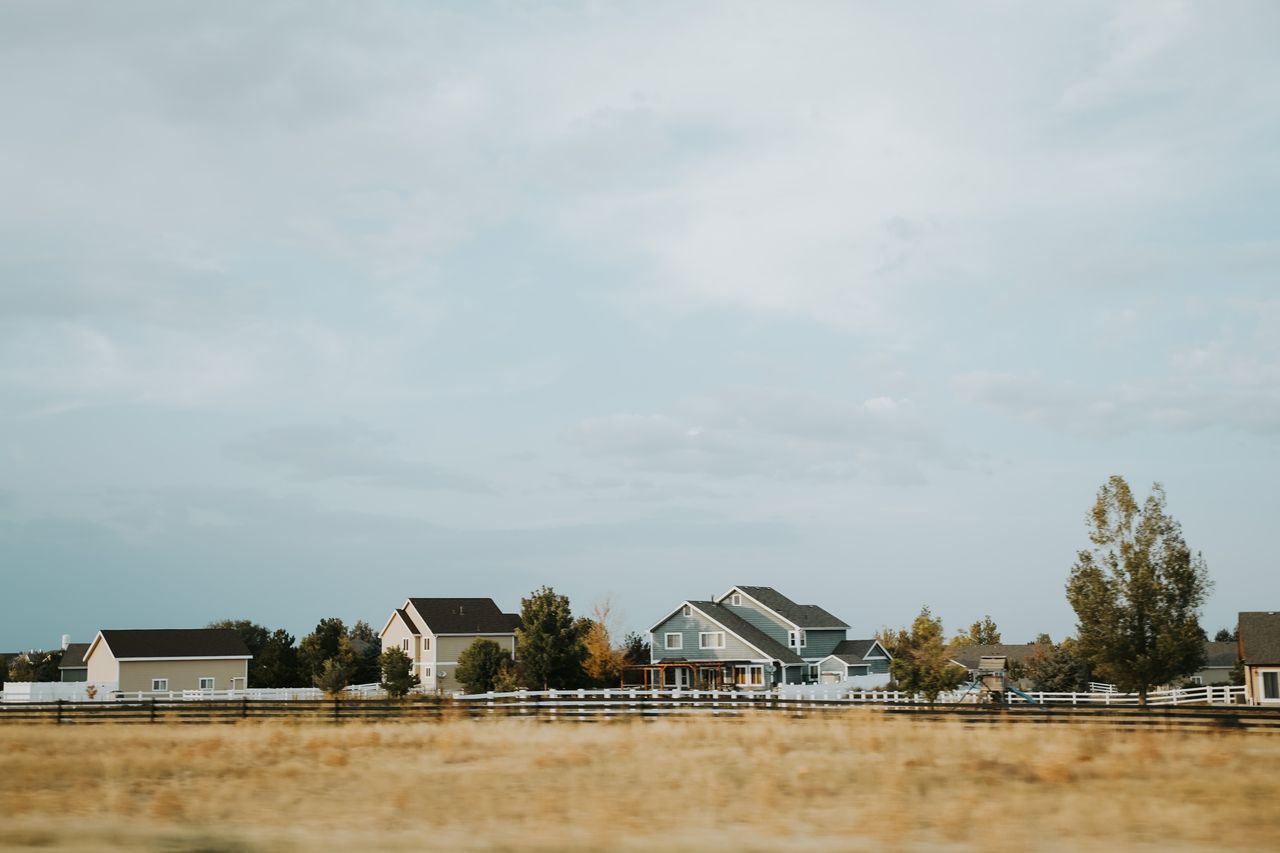
Land out here asks a lot of a tree. The ground can be rocky and fast-draining, and wind crosses open fields with little to stop it. Summers regularly hit the low 90s, and the area gets only around 11 inches of rain a year.
Basalt Sand Near Rock Spur Shapes Which Trees Take Root
Rock Spur Vineyards describes its soil as basalt sand and gravel. The owners say the Bonneville Flood carried it in and dropped it beside White Butte, an old volcano. Nearby lots along Warren Spur Road can share that rocky, fast-draining ground. Soil still changes from one field to the next, so check yours.
Fast-draining ground helps a young tree in one way and hurts it in another. Roots rarely sit in soggy soil, which is good. But water moves down and away fast, so the root ball can dry out on hot afternoons.
Trees known for drought tolerance tend to do best on this kind of ground. Honeylocust and hackberry are two common picks for dry, poor soil. Many pines also handle sandy, fast-draining sites well. Ask us which of these are in our rows this week.
We help you match trees to fast-draining ground before you buy. You tell us about your land, and we walk you to trees in our rows that fit it. You leave with trees picked for your soil, not guesses.
Here's how to get the most from your visit:
- Bring a photo of your soil, or a small sample in a zip-top bag.
- Note how fast water soaks in after you irrigate.
- Tell us how much sun and wind your planting spot gets.
- Ask which trees in our rows handle rock and full sun.
Windbreaks and Shade Trees Fit
Melba-Area Acreage
Many Melba-area lots are open, with wide views south toward the Owyhee Mountains. Those views come with a cost: little natural cover from wind. Wind dries out soil, stresses young trees, and pushes cold air into homes in winter.
Acreage owners near the old railbed come to us for three main jobs:
- Tree rows that slow wind across fields, yards, and driveways
- Shade trees near farmhouses, shops, and outdoor work areas
- Flowering trees that add color along drives and entries
A windbreak works best when you plan it before you plant. A University of Idaho windbreak guide suggests placing the outer row at least 150 feet from your home. That leaves room for snow to drift and settle. The guide also suggests running the row 50 to 100 feet past each side of the area you want to protect.
More rows give more protection, and five rows is a common design. University of Idaho foresters report that windbreaks can cut winter heating costs by 10 to 40 percent. That's a real payoff on a windy lot.
Tree type matters as much as spacing. Evergreens hold their needles all year, so they block winter wind. Deciduous shade trees drop their leaves, so they shade your home in summer and let sun through in winter. Many acreage owners use both.
We help you work out spacing and tree counts before you buy. Bring your lot size and a rough sketch of your land. We'll help you plan rows that fit your space, with room for each tree to grow.
Plan Your Tree Pickup Around Farm
Season on Highway 45
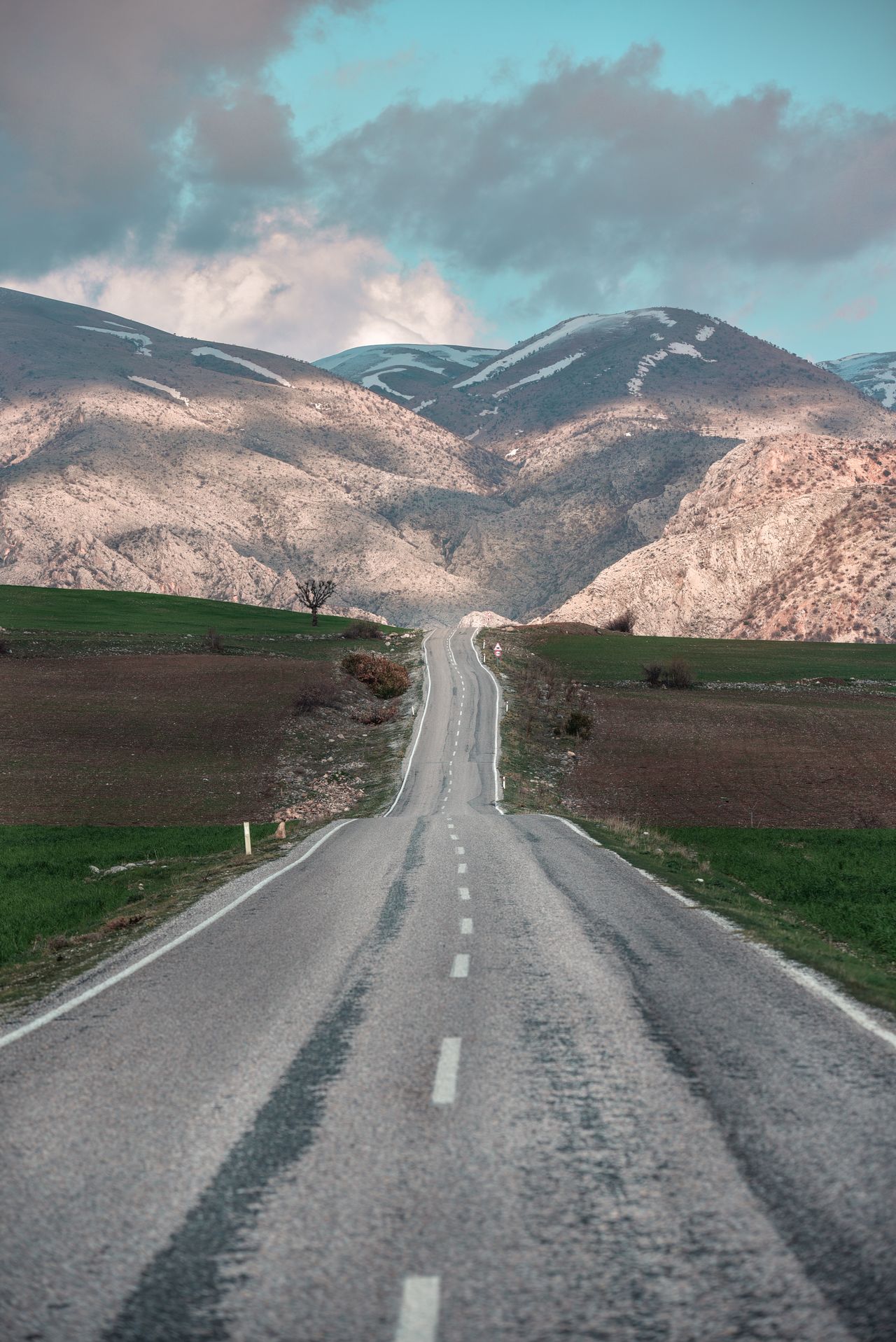
Many buyers from Warren Spur Road haul trees home in a pickup or on a trailer. Highway 45 is a busy freight route into Nampa. In busy farm months, you may also share it with slow tractors and hay trucks. Give yourself extra time, so you aren't rushing with trees in the bed.
Before you head north:
- Bring straps, a tarp, and a truck bed liner.
- Clear the bed so each root ball can sit flat and snug.
- Plan to plant the same day or the next.
- Call Idaho 811 at least two business days before you dig.
Smaller trees often fit in the back of a truck. Ask us how to load and protect the root ball and branches for your trip. A tarp shields roots and leaves from wind at highway speed. If a tree is too big for your truck, ask about delivery to Melba or our tree transplant service.
Have the hole ready before you get home. Dig it two to three times as wide as the root ball, but no deeper. Set the tree so the top of the root ball sits level with the ground. Then cut away twine and any burlap or wire from the top of the ball.
Timing matters too. Fall is a strong time to plant here, from mid-September through October. First frost usually arrives mid-to-late October, and the ground tends to harden by mid-November. Earlier fall plantings get more time to root before winter.
Getting Here from Rock Spur Is a
Short Drive North
The trip from the Rock Spur area takes about 21 minutes and covers 17.6 miles in usual traffic. The route passes Melba, then heads north on ID-45 toward Nampa.
That's short enough to load up, drive home, and plant the same day.
- Head northwest on Hill Rd S for 2.9 miles.
- Turn left onto Base Line Rd, which becomes Hill Rd. Go 1.3 miles.
- Turn left onto Melba Rd for 0.4 miles.
- Bear right toward ID-45 N. Drive 8.5 miles north.
- Turn left onto Emerald Rd, which becomes Lake Shore Dr. Go 4.4 miles.
- Our farm at 12747 Lake Shore Dr, Nampa, is on your left.
Melba is one of many towns our buyers drive in from. You can see all of the Treasure Valley areas we serve on one page.
Coming with a truck or trailer? Ask us about parking when you call. Call ahead to confirm our hours before you head north. That way, the trees you want are ready when you pull in.
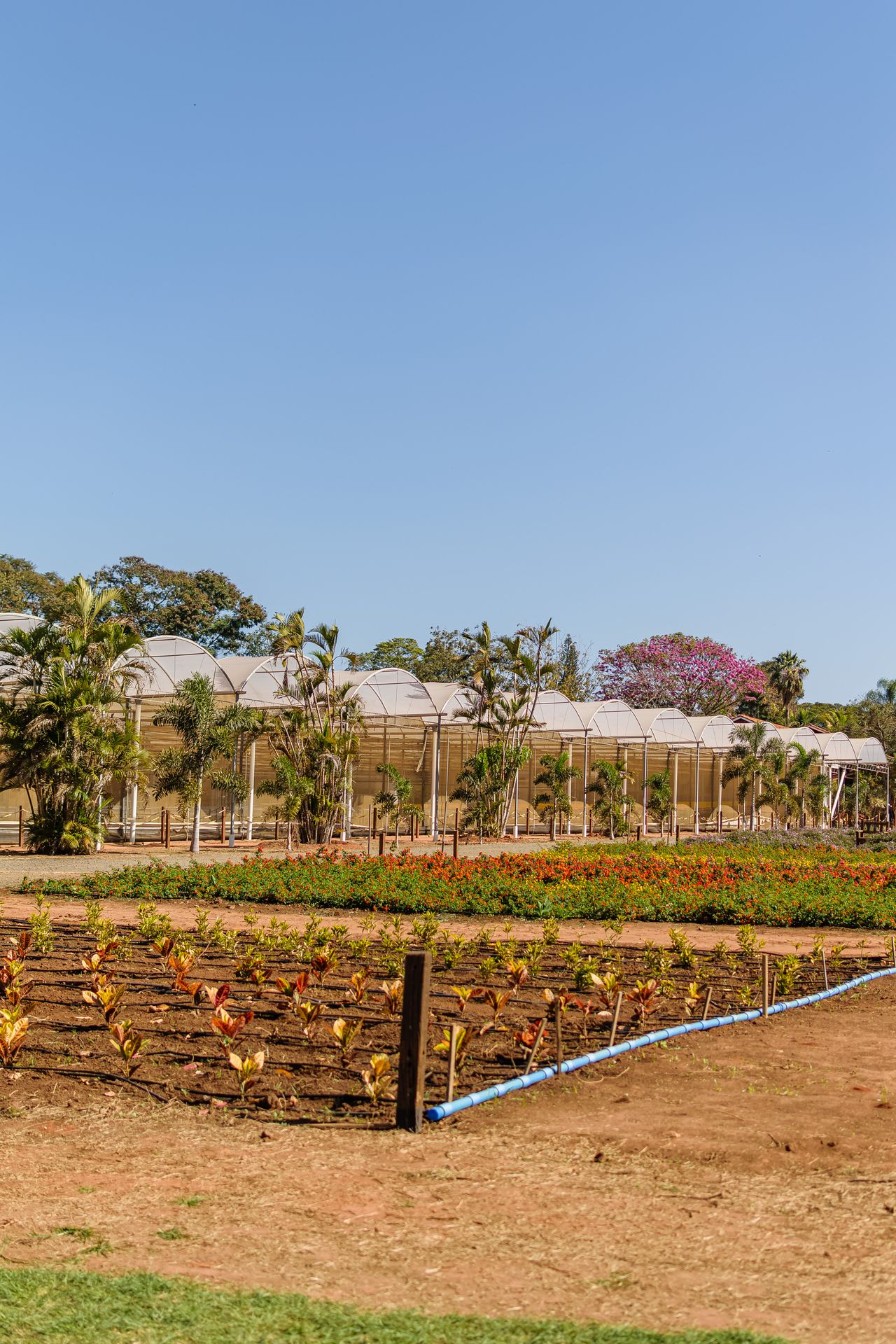
Warren Spur Road Families Walk Our Rows to Pick Trees in Person
If you live near Map Rock Road or out toward Celebration Park, you likely drive north for supplies already. A stop at our farm fits right into that trip. You bring trees home on the same run.
Coming in person pays off:
- You see each tree's size, shape, and root ball before you buy.
- You can compare trees side by side in the row.
- A local grower answers your questions face to face.
That grower is part of a family business. Our owner, Nathan Melad, grew up in Nampa and earned a horticulture degree from Boise State University. His son Geoff works the farm with him and runs the tree spades.
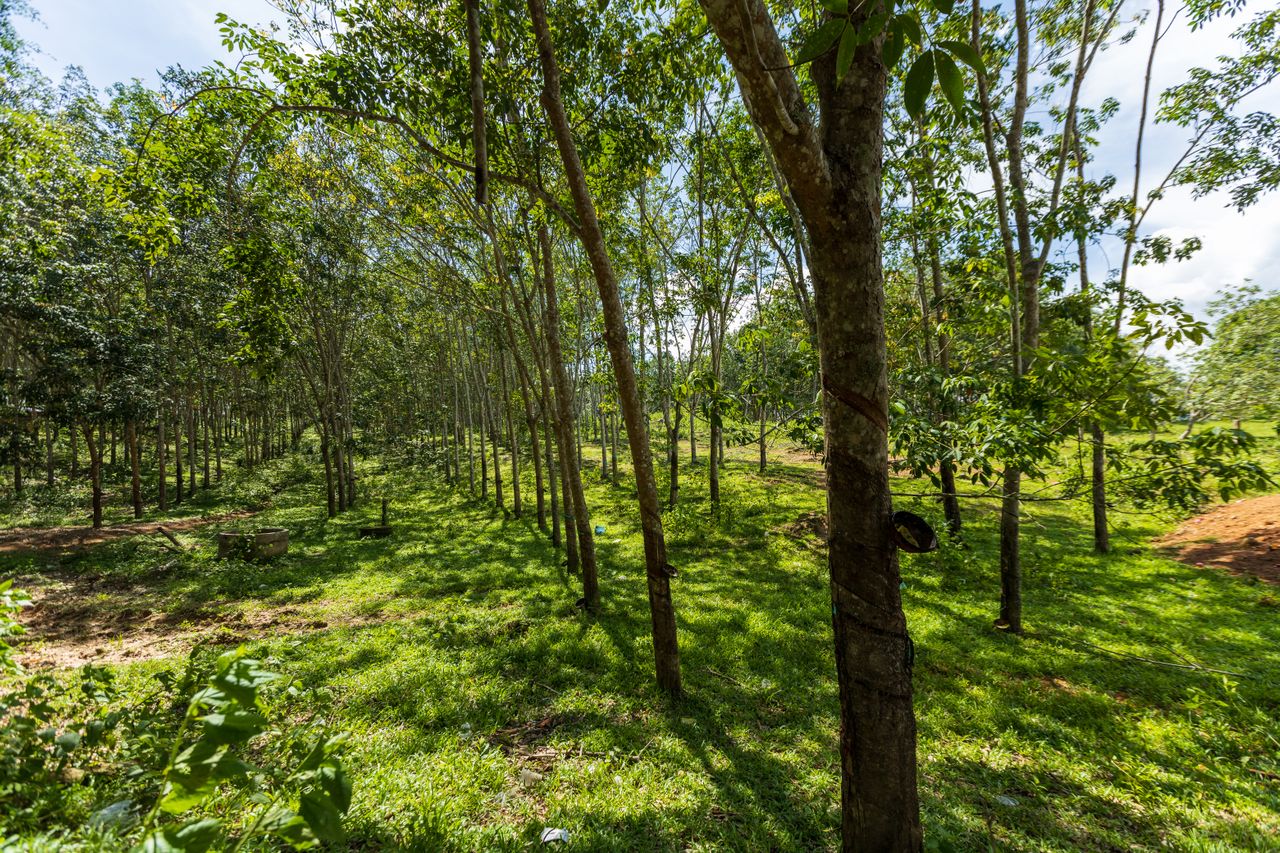
Our field-grown trees are 5 to 10 years old. At that age, trees in the same row can differ in height, branching, and canopy shape. Seeing them up close lets you choose the one that fits your spot. You can also ask how each tree will handle wind and fast-draining soil.
First-Year Care Helps New Trees Handle High Desert Swings
South of Nampa, summer days regularly hit the low 90s, and nights cool off. Rock Spur Vineyards names this same swing of hot days and cool nights at its site. Fast-draining ground dries out quickly between waterings. New roots need steady water to get through that first year.
A few habits make a big difference on fast-draining ground:
- Water slowly and deeply. A common rule is 1 to 1.5 gallons per inch of trunk width each time.
- Check before you water again. Dig a finger a few inches down near the root ball.
- Mulch the root zone. Spread 2 to 4 inches of mulch, and keep it a few inches back from the trunk.
- Stake loosely on windy lots. The trunk should still flex a little. Remove stakes after one growing season.
When you pick up your trees, we give you:
- Simple watering tips for fast-draining ground
- Mulch and staking advice for windy lots
- Our tree care guide to take home
Good care in year one means fewer lost trees. Your new trees get a strong start on Melba-area ground.
Call us to confirm stock and hours before you head north.
Frequently Asked Questions
Trees are serious, and so are your questions. Here are just a few:
Is the Drive from Rock Spur to Your Farm Long?
No, it takes about 21 minutes. The route passes Melba, and much of the trip is on ID-45.
Will Trees Grow in Rocky, Sandy Ground Near Melba?
Yes, many drought-tolerant trees do well in fast-draining ground. Honeylocust, hackberry, and many pines are common picks. Ask us what's in stock, and bring a soil photo or sample.
Can I Fit Trees in a Pickup for the Drive Home?
Smaller trees often fit in a pickup. Bring straps and a tarp to protect the roots. Ask us how to load your tree safely for the drive.
What If a Tree Is Too Big for My Truck?
Ask us about delivery to Melba or our tree transplant service. We'll tell you what works for the trees you pick.
When Is the Best Time to Plant on Open Acreage?
Fall is a great time to plant, from mid-September through October. Plan to plant the same day you pick up, or the next.
Do You Help Plan Windbreak Rows?
Yes, we help you plan spacing and tree counts for long rows. Bring your lot size and notes on which way the wind blows.
Is Your Tree Farm an Orchard?
Yes, our farm is orchard land, with trees grown in long field rows. You walk those rows to see and choose your trees in person.
Should I Call Before Driving Up from Warren Spur Road?
Yes, please call ahead. We'll confirm what's in stock and our hours before you make the trip.
COMPANY
CUSTOMER CARE
LOCATIONS
NEWS
LEGAL


© Copyright 2026. Melad Tree Farm. All Rights Reserved.