
Tree Nursery Stock for the Farm Fields Near
Sunridge Dairy in Nampa
Sunridge Dairy sits along Dry Lake Road, in the farm country north of Melba. If you're looking for a tree nursery near Sunridge Dairy, our farm is 8.3 miles away by road. Melad Tree Farm grows its trees at 12747 Lake Shore Dr, Nampa.
This page is for the big rural lots out your way. It covers windbreak rows, shade for the house, and screens along long driveways. Most of what we sell has spent 5 to 10 years growing in our orchard rows.
Why buy this close to home? Our orchard bakes through the same hot, dry summers your parcel does. A tree raised in that heat isn't meeting it for the first time when it reaches your land.
The drive matters too. A 14-minute haul gives branches far less time in the wind than a trip across the valley.
Your planting plan will likely work around a few things:
- A farmhouse or a new build on a large parcel
- A shop or pole barn
- A long gravel drive
Roads, canals, and power lines each have someone in charge of them. Before you plant close to one, check with your highway district, irrigation district, or power company.
Start by seeing our current tree availability list. Then call us to set up a pickup.
Dust, Sun, and Wind on Your Dry Lake Road Parcel
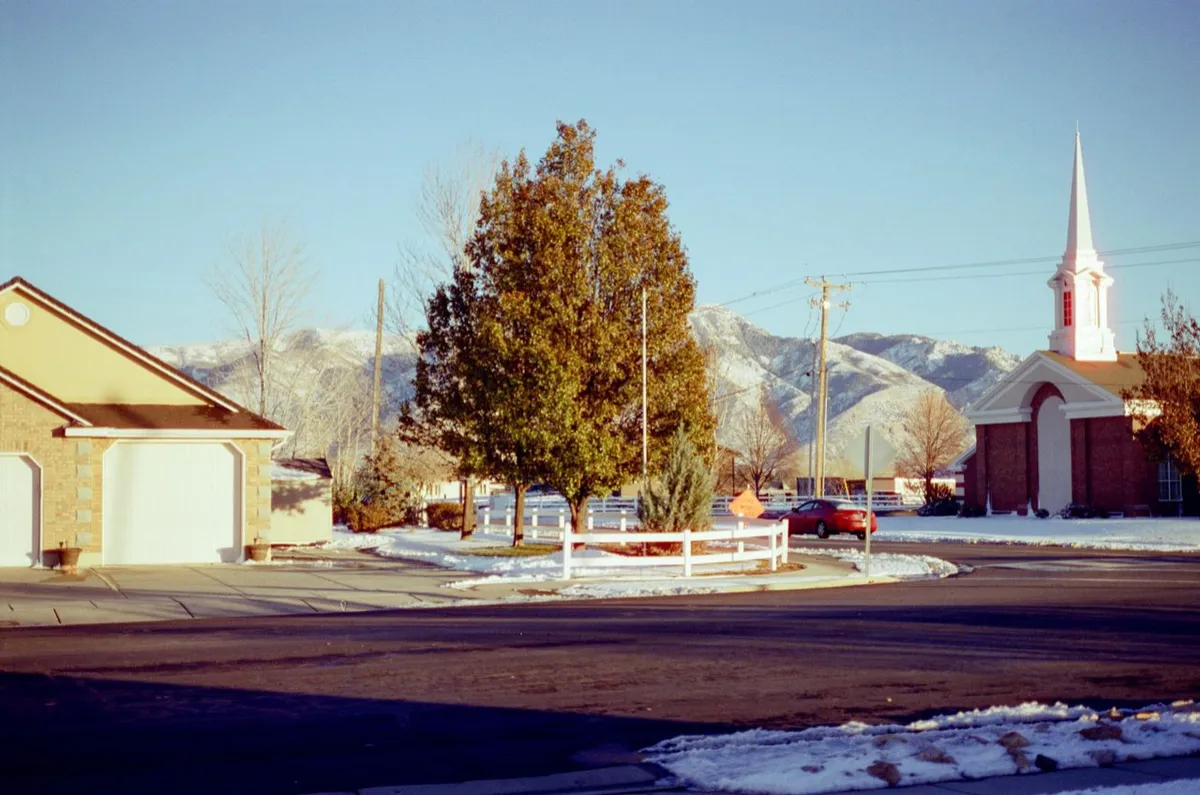
Dry Lake Road runs through wide, flat farm ground. Redfin's address listings put the average lot on the road at well over 10 acres. With that much open space, little stands in the way of wind or sun.
If your land has few trees, these signs may sound familiar:
- Grit coats your porch, car, and windowsills after a windy day.
- Garden beds dry out before the next watering.
- By late afternoon, your west-facing rooms are the hottest in the house.
Each sign points to the same gap.
Nothing stands between the open field and your home to break the wind or block the sun.
A row of trees fills that gap. Wind slows as it pushes through and over the branches.
Slower air drops less dust in your yard.
You don't need to plant the whole parcel. Start with the ground you use every day: the house, the garden, and the shop. We can help you pick where that first row should go.
Choosing Trees Near Sunridge Dairy Without Losing Your Owyhee View
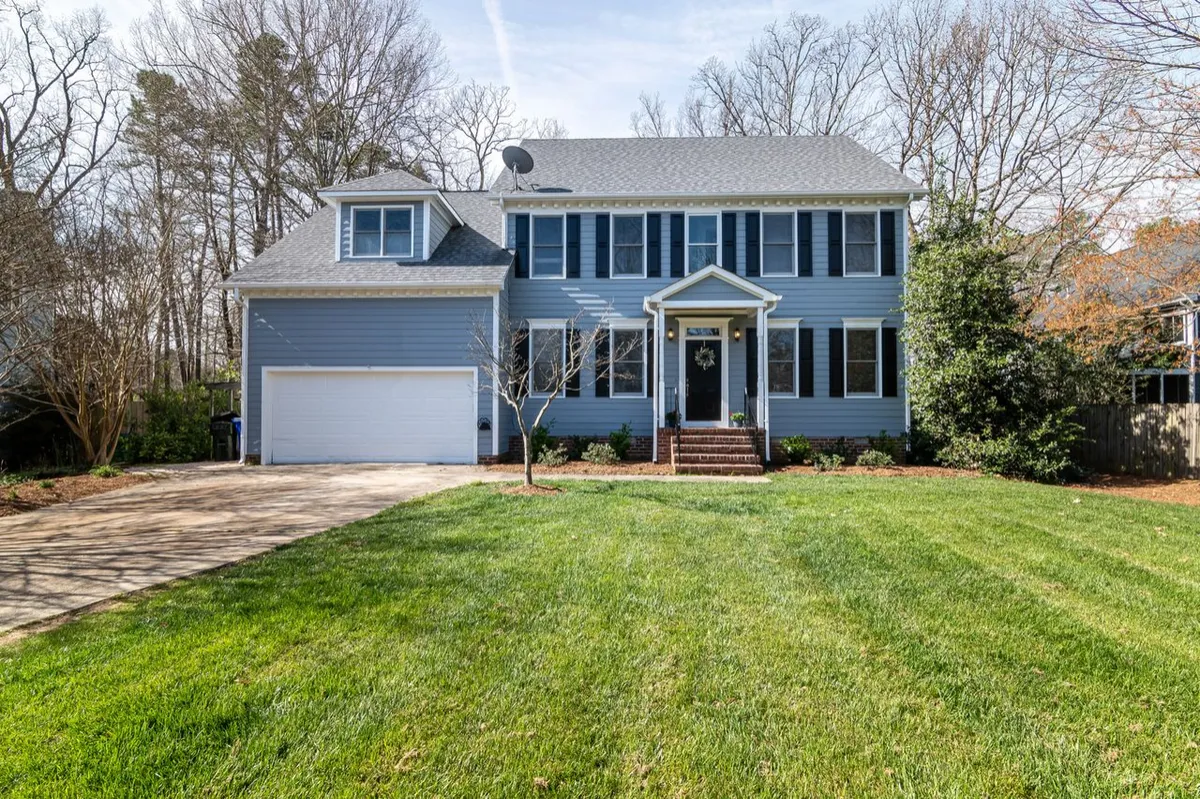
New build or older farmhouse, each side of your home has its own need. Walk around the house and think about what each side faces.
South and west walls: These take the hottest sun. A shade tree here cools those rooms in summer.
The road side: A screen row here gives you privacy from passing traffic.
The windy side: Evergreens here block wind in every month, since they keep their needles.
You can use all three on one lot. Each tree simply goes where its job is.
Now look south. The Owyhee Mountains fill that horizon, and the view is worth keeping. A tall evergreen wall on that side would hide it for good.
Keep the south side for shorter trees, or space your shade trees wide apart. You get cooler rooms and still see the mountains from your porch.
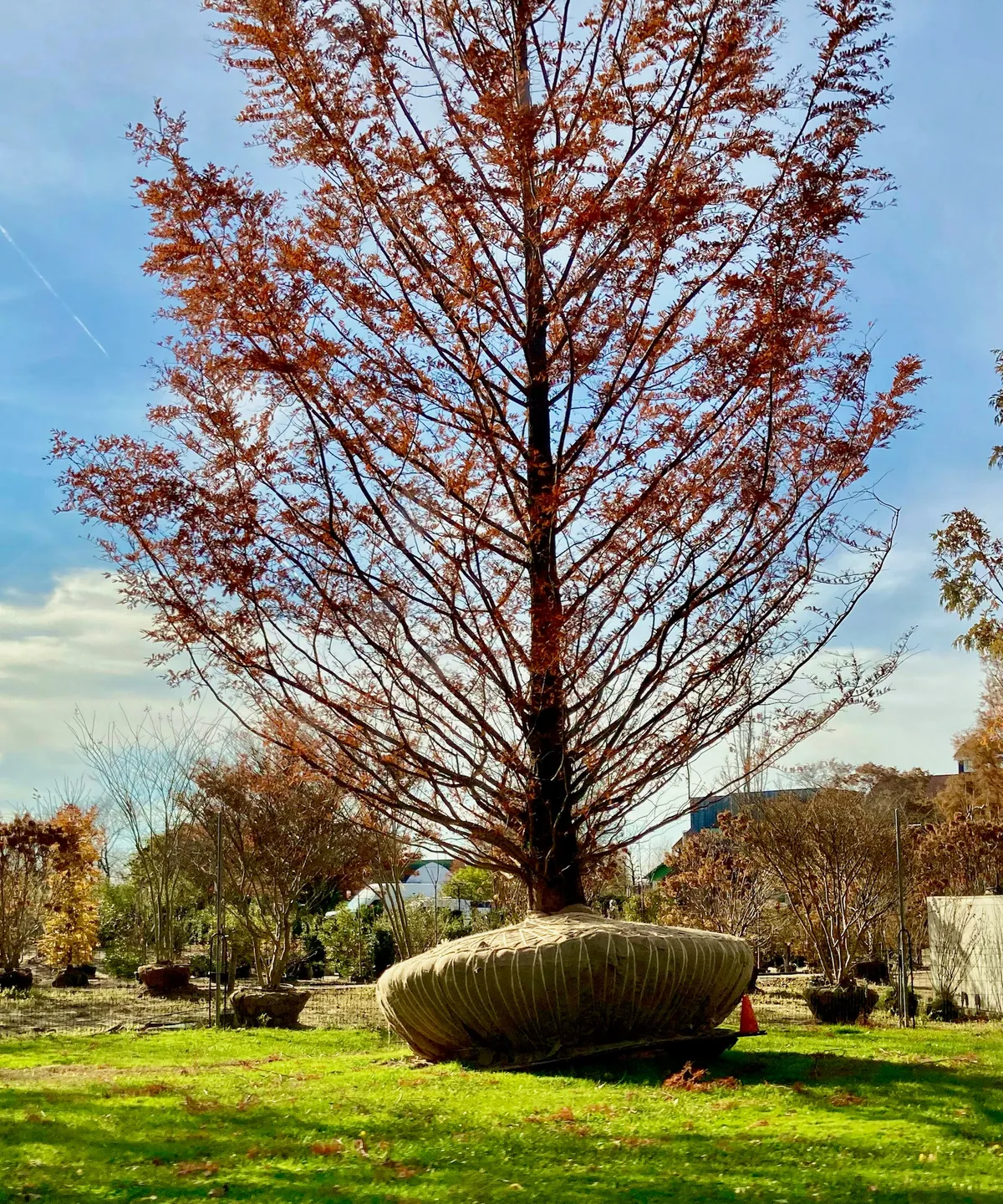
When you walk the rows at our tree nursery, you can stand right next to each tree. You see its true height and width before you pick it.
That makes it easier to judge what will fit in front of your view.
A Pickup-Week Checklist for Ditch, Pivot, and Shop-Yard Planting
Planting out here often means working near a ditch, a center pivot, or a busy shop yard. Each of those spots takes a little planning. Work through this list in the days before pickup.
Two to ten business days before you dig: Call Idaho 811 at 811 or 1-800-342-1585. Idaho law requires at least two business days' notice, and no more than ten.
Before the locate crew arrives: Mark each planting spot, usually with white paint. Idaho's dig law calls for pre-marking the area you plan to dig.
The day before pickup: Lay out a hose, drip line, or ditch route that reaches every spot.
Shop yards need one more step. Utilities mark only their own lines. A private line, like power run from your house to the shop, won't be marked for free. Ask 811 for a list of private locating companies before you dig near one.
This prep lets your trees go into the ground the same day you bring them home. Roots stay moist, and each tree starts settling in right away.
If your parcel runs on canal water, keep the calendar in mind. Canals in this part of the valley often shut off in early to mid-October, and dry years can end the season sooner.
For fall planting, plan on a hose or water tank to finish the job.
From Dry Lake Road to Marsing Road:
Your 14-Minute Route to Our Farm
Dry Lake Road sits well inside the Treasure Valley area we serve. Neighbors on Dry Lake Road, Stage Coach Road, and the Melba side can reach us without a highway. From Sunridge Dairy, the route covers 8.3 miles of farm roads in about 14 minutes.
We sit at 12747 Lake Shore Dr, Nampa, on the south shore of Lake Lowell. Coming out lets you choose your exact trees from the row. Then a short drive gets them home and into the ground sooner.
Directions from Sunridge Dairy, 4890 Dry Lake Rd:
- Head toward Dry Lake Rd for 0.2 miles, then turn right. Stay on Dry Lake Rd for 2.7 miles.
- Turn left onto Bennett Rd and go 0.5 miles.
- Turn right onto Dearborne Rd/Marsing Rd and drive 2.5 miles. You'll cross Missouri Ave, then Deer Flat Rd.
- Turn left onto Lake Shore Dr/Marsing Rd and go 2.4 miles toward Lake Lowell.
- Our farm is on the left at 12747 Lake Shore Dr.
Bring a trailer and a tarp. Open farm roads can be windy, and a covered canopy holds its moisture on the way home.
Call before you head out. We'll confirm what is ready and talk through loading for the size you pick.
Lay Out Rows for Southeast Wind and Low,
Wet Ground
A windbreak or a shady yard works best when you sketch it out first. We help you sort out row spacing, the mix of trees, and where each one should stand.
Start with the wind. City of Nampa weather data shows wind comes most often from the southeast, then from the northwest. Put your windbreak rows on the side your lot takes the most wind.
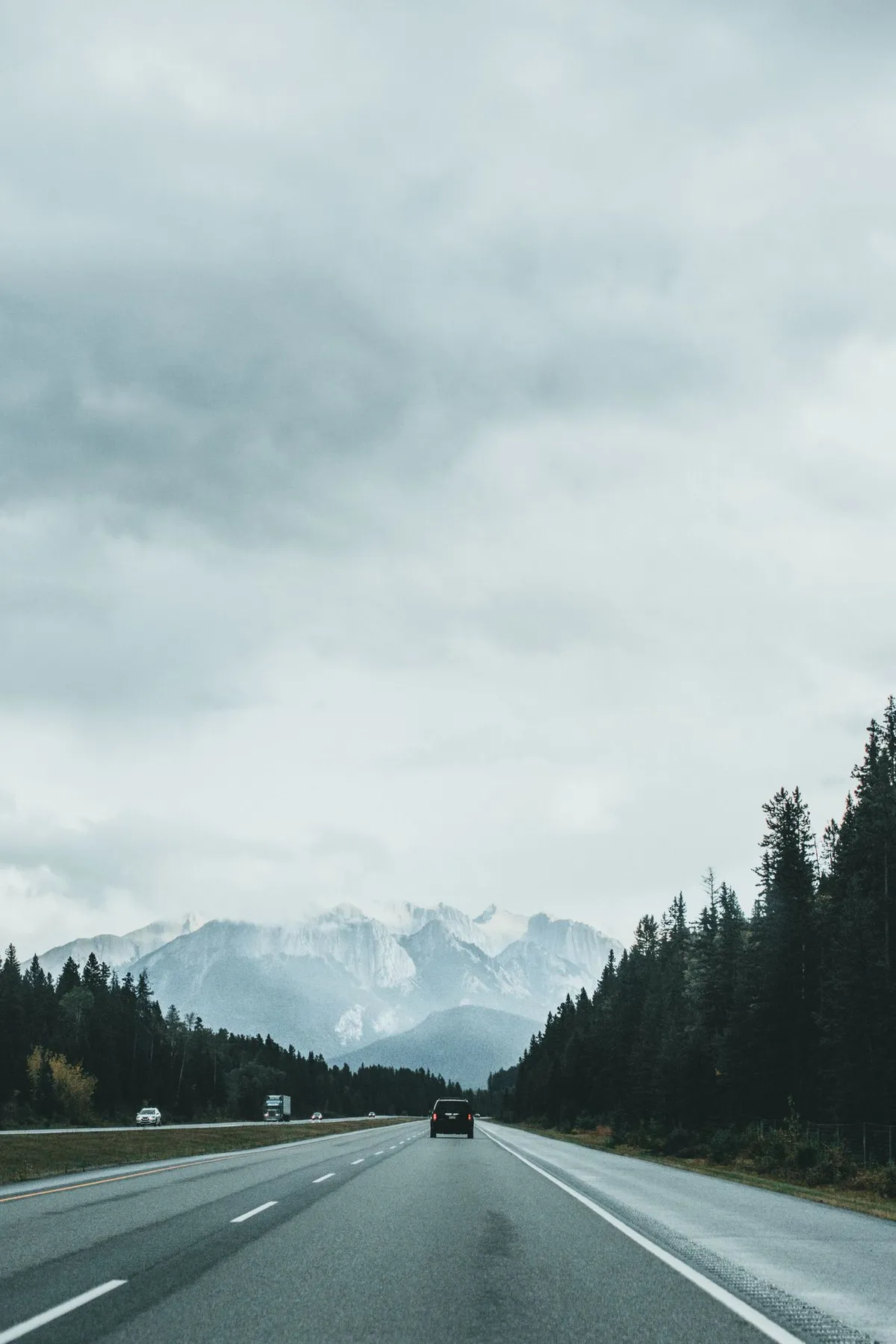
A southeast row can cut into your view to the south. Shorter evergreens on that end can block wind and still leave the mountains in sight.
Then look up and around:
Power lines: Idaho Power asks customers not to plant trees under power lines. Plan for each tree's full-grown size, not its size today.
Center pivots: Leave a clear path so the arm can turn without hitting branches.
Low ground matters here too, and the Dry Lake name tells you why. In years past, water pooled on this land in the wet season. It sat on top of a dense clay called bentonite, then dried up in spring.
Today, the Dry Lakes Area off Stage Coach Road still draws ducks and shorebirds. Low spots on nearby lots may hold water longer than the rest of your parcel. Soil out here is often heavy and clay-rich, which slows drainage.
Walk your land a day after a deep watering or a good rain. Flag any spot where water still sits. Then put your trees on higher ground.
Would you rather not do the planting yourself? We offer tree planting, and we deliver within certain areas. Call us to ask whether your Dry Lake Road address is covered.
Season by Season: Your New Trees' First Year Near the Dry Lakes Area
A new tree's first year near Melba follows the seasons. Each one asks something different of you.
Fall (mid-September through October): This is our fall planting window. Soak each tree deeply at planting. Then spread a ring of mulch around the trunk to hold moisture and keep weeds down.
Early winter: The ground usually hardens around mid-November. Before then, check that fences keep cattle, horses, and goats away from the trunks.
Spring: Pull weeds from the mulch ring before they spread. Keep string trimmers well away from the bark.
First summer: Here is the real test. Nampa gets around 11 inches of rain a year, and July highs average 91 degrees. Water on a set schedule, and let each soak reach 6 to 12 inches down.
One year in: Check the stake ties. Once the tree stands firm on its own, take the stakes out.
Get your trees through this first year, and they have a solid base on your land.
Frequently Asked Questions
Trees are serious, and so are your questions. Here are just a few:
How long is the drive from Sunridge Dairy to your farm?
The drive takes about 14 minutes. It covers 8.3 miles on Dry Lake Rd, Bennett Rd, and Marsing Rd. You won't need to use a highway.
Is October too late to plant near Dry Lake Road?
No, October still falls inside our fall planting window. That window runs from mid-September through October. The ground usually hardens around mid-November, and roots use those weeks to settle in.
Should I mark my planting spots before the 811 crew comes?
Yes, Idaho's dig law calls for pre-marking the area you plan to dig, usually in white paint. Call 811 or 1-800-342-1585 at least two business days ahead. The locate crew then marks utility lines near your spots.
Will a windbreak block my view of the Owyhee Mountains?
It can if you plant tall evergreens on the south side. Use shorter trees or wider spacing there instead. Save your tallest rows for sides where you don't need a view.
Can I plant in the low, wet spots on my parcel?
Higher ground is the better choice. The dense clay in parts of the Dry Lake area lets water sit instead of soaking in. Tell us where water collects on your lot, and we'll help you pick drier spots.
What if my canal water shuts off before my trees settle in?
Keep watering by hose or tank until the ground hardens, usually around mid-November. Canals here often close in early to mid-October, so fall-planted trees usually need this backup. Your irrigation district can tell you this year's exact date.
COMPANY
CUSTOMER CARE
LOCATIONS
NEWS
LEGAL


© Copyright 2026. Melad Tree Farm. All Rights Reserved.