The Nampa Tree Farm Arbor Ridge Park Families Trust Most
Arbor Ridge Park sits in one of the fastest-growing parts of East Nampa, near Ustick Road and Midland Boulevard. Most homes here were built after 2019. Lots run from about 3,485 to 9,148 square feet — and most yards still have zero canopy. That means full sun on your roof, patio, and lawn all summer long. Without a shade tree, your yard works against you.
Here is what makes tree selection in this area different. Nampa sits in USDA Hardiness Zone 7a and gets only about 11 inches of rain per year. The soil is alkaline clay. Not every tree survives those conditions — especially trees shipped in from other states and planted into summer heat.
At Melad Tree Farm, our trees have grown right here in this climate for five to ten years.
They are already hardened to Treasure Valley summers. That matters from the day you plant.
This page covers which trees work best for Arbor Ridge Park lots, what your HOA may require, how to prepare your yard, and how to get here. Check stock for your lot size before you visit — inventory changes by season.
Why Arbor Ridge Park Yards Need the Right Tree, Not Just Any Tree
If your home went up after 2019, your yard is probably starting from scratch. Neighborhoods like Arbor Ridge Park, Blackhawk, and Castle Peak were built fast — and trees were not part of the original plan.
That leaves your lawn, roof, and patio exposed to Nampa's summer heat. Afternoon temps regularly climb into the low 90s in the Treasure Valley. A well-placed shade tree cuts that down for your family and your energy bill.
The soil here adds another layer. Nampa's clay holds water after irrigation but gets hard and tight as it dries out. Roots need room to spread, and they need amended soil to do it. A tree that thrives in Seattle or Portland may sit in your yard for one summer and not come back.
Trees grown locally are already adapted to these conditions. They have spent years in the same heat, the same alkaline soil, and the same dry air you get on your street. That is a different product than what you find on a pallet at a big-box store — and it performs differently once it is in the ground.
How to Know Which Tree Fits Your East Nampa Lot Size and HOA Rules
Lot size matters before you pick a species. Arbor Ridge Park lots range from about 3,485 to 9,148 square feet. That is not a lot of room for a tree that spreads 40 feet wide at maturity.
Your HOA may have requirements too. The Arbor HOA Architectural Control Committee can require a front-yard tree at a minimum 2.5-inch caliper. That means you may need to submit for ACC approval before you purchase or plant. Check your CC&Rs first — buying the wrong size tree costs you twice.
For narrow side yards or tight front setbacks, columnar trees are worth a look. They grow tall but stay slim. Neighboring subdivisions like Blackhawk and Covey Run carry similar HOA landscaping rules, so the same guidance applies if you have family or neighbors over there asking the same questions.
One more step before you dig anywhere on your property.
Call Digline at 1-800-342-1585 or dial 811. This is required in Idaho before any ground is broken. It is free, it is fast, and it marks buried utility lines so you do not hit them.
If you are unsure what your HOA allows or what caliper size you need, bring your landscaping rules or ACC approval letter when you visit. We can match you to the right tree before you load it on the trailer.
What to Expect When You Visit a Local Nampa Tree Farm
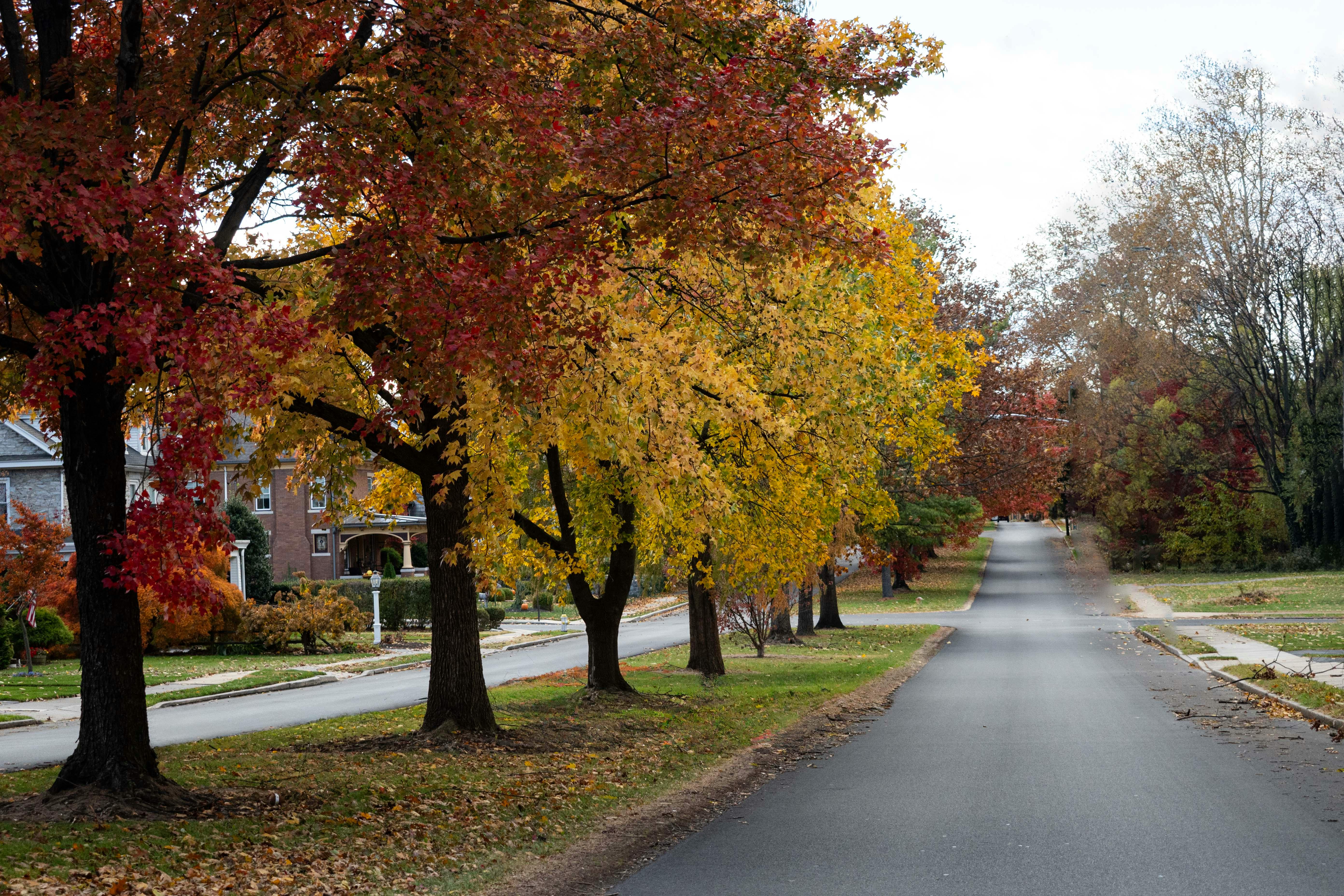
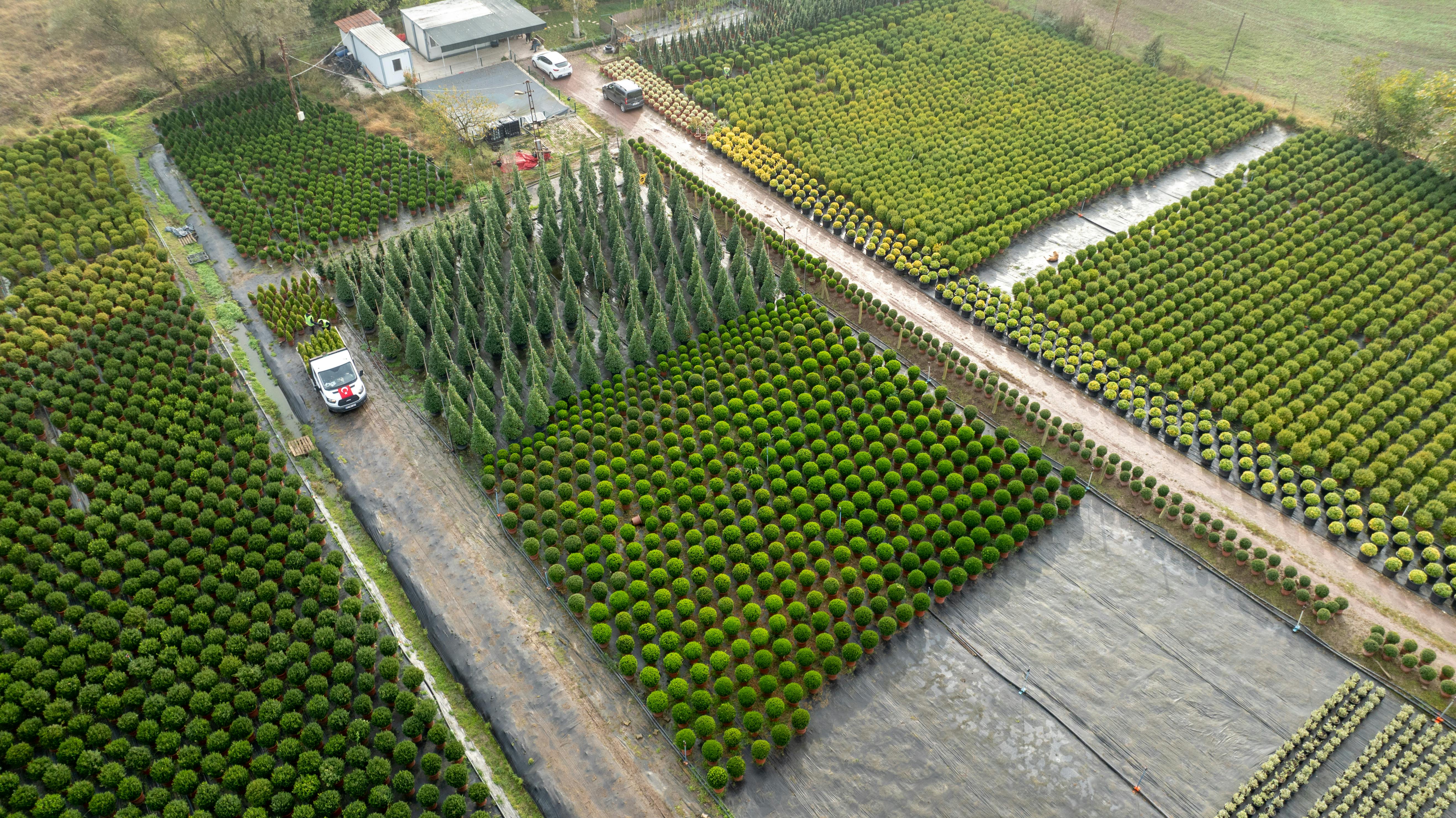
A photo on a website does not tell you much about a tree. Walking the rows does. When you visit our Nampa tree farm, you can compare sizes side by side and see exactly what you are bringing home.
Our trees have grown here on farm soil for five to ten years. They are not sitting in a greenhouse or arriving on a truck from out of state. What you see is what has already proven itself in Treasure Valley conditions.
When you arrive, bring your lot dimensions and your HOA requirements if you have them. Staff can walk you through species options based on your yard layout, soil situation, and caliper minimums. That saves you from guessing and buying wrong.
We grow evergreens, deciduous shade trees, and fruit trees — all started and grown locally. Varieties like honeylocust, hackberry, and Colorado Blue Spruce do well in Treasure Valley conditions. If you want something that produces fruit each year, ask about our apple, cherry, and pear trees grown for Idaho conditions.
Most Arbor Ridge Park homes already have underground irrigation installed from new construction. Let us know that when you visit — we can point you toward species that work well with drip and sprinkler setups already in the ground.
We also serve homeowners coming from Hartland, Hill Creek, and Meriwether Park. If you are making the drive from any of those neighborhoods, call ahead to confirm we have the stock you need.
How to Get Here from Arbor Ridge Park and What to Bring
Melad Tree Farm is located at 12747 Lake Shore Dr, Nampa, Idaho. The drive from Arbor Ridge Park takes approximately 27 minutes and covers 16.1 miles via Lake Shore Drive.
Here are the directions:
- Head east on W Hubbard Rd, then turn right onto W Hubbard Rd
- Turn left onto W Treehouse Way, then right at N Snowball Rd
Turn left onto W Quaking Aspen Ln, then right onto N Linder Ave
- At the traffic circle, take the 1st exit onto W Main St
Continue as W Main St becomes N Bridge Ave, then onto W Avalon St
- Continue onto W Kuna Rd, then turn right onto N Black Cat Rd / E Greenhurst Rd
Turn left onto W Deer Flat Rd and continue 4 miles
Turn right onto ID-45 N for 0.5 miles
Turn left onto Emerald Rd / Lake Shore Dr — continue on Lake Shore Dr
Melad Tree Farm will be on your left at 12747 Lake Shore Dr
The farm accommodates trucks and trailers for easy tree loading. Before you make the drive, bring:
- Your HOA landscaping rules or ACC approval letter if required
- Your lot dimensions and property line locations
- Your underground irrigation layout — most Arbor homes have one
- A note on sun exposure at your planting spot
Call ahead to confirm stock for your caliper size and species.
See all the areas we serve across the Treasure Valley — we also serve homeowners making the drive from Blackhawk, Franklin Village, and Feather Cove, and the Deer Flat Road route works well from multiple directions across Canyon County.
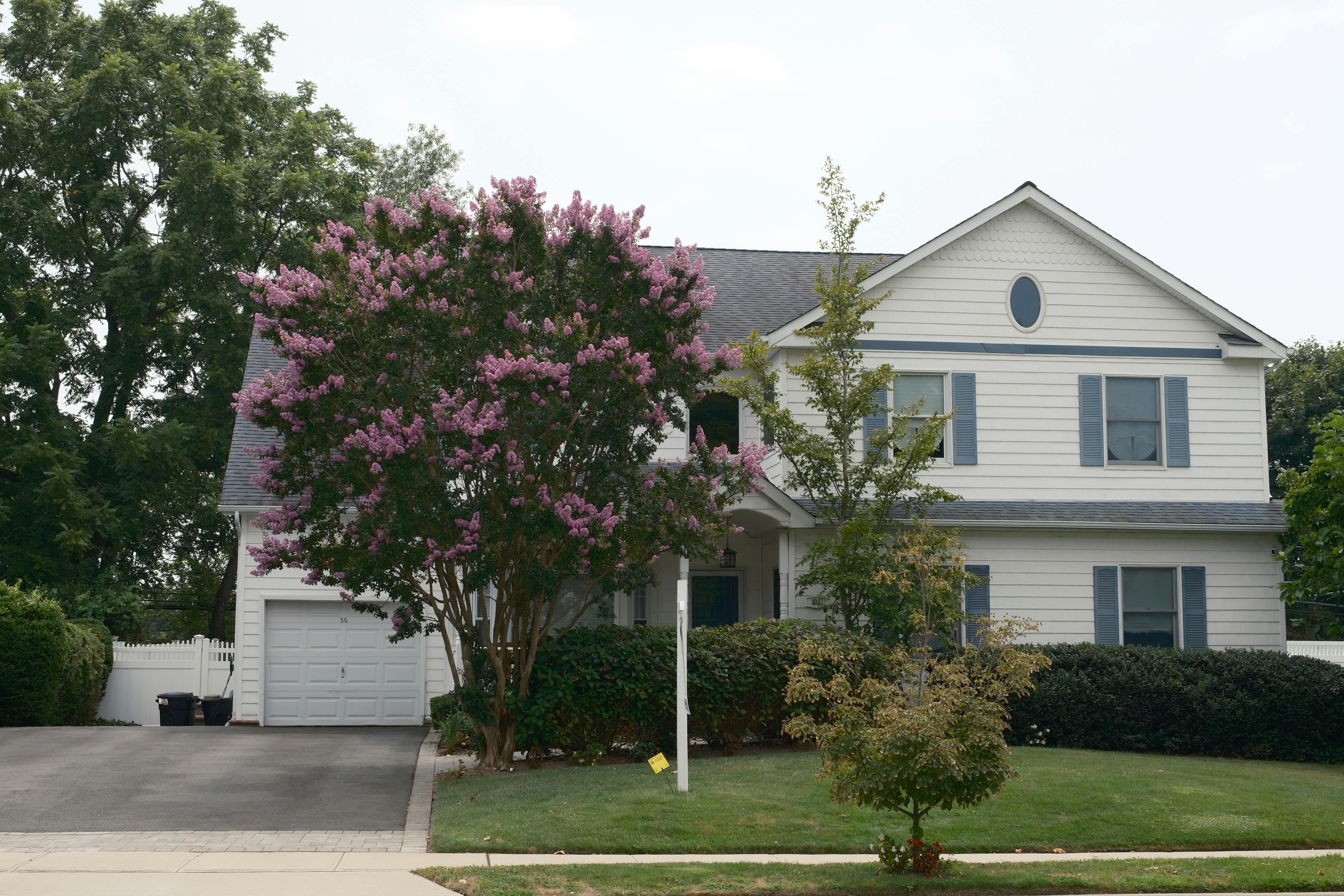
The Best Shade and Ornamental Trees for Nampa's Zone 7a Climate
Nampa averages around 210 sunny days per year. That is a lot of direct heat on your yard, your roof, and your outdoor living space.
A shade tree planted in the right spot starts paying off within a few growing seasons.
The key is choosing species built for Zone 7a conditions — dry summers, alkaline clay soil, and cold snaps in winter. Browse our full tree selection to see every variety we grow, including evergreens, shade trees, and ornamentals suited to Nampa yards. These are species that do well here:
Ponderosa Pine — drought-tolerant once established, evergreen year-round, works well in larger Arbor lots
Rocky Mountain Juniper — stays green through Nampa winters, low water needs, good for borders and screening
Quaking Aspen — turns gold in fall, works well in wider lots, adds seasonal color without heavy maintenance
Honeylocust — tolerates clay soil and heat, casts dappled shade that lets grass grow underneath
Hackberry — tough in wind and drought, grows steadily in Treasure Valley conditions
Colorado Blue Spruce — drought-tolerant once established, grows native to the Rocky Mountain states, works well as a year-round evergreen anchor in Nampa yards
Fruit trees are also a strong option for Arbor Ridge Park yards. Apple, cherry, and pear varieties grown for Idaho conditions produce reliably each year. They give you canopy, seasonal interest, and fruit — all from one tree.
Avoid species that need heavy watering. With only about 11 inches of rain annually, Nampa does not support water-hungry trees without significant irrigation cost.
Spring and fall are the best planting windows. Cooler temperatures let roots settle and spread before summer heat arrives. Customers from Caldwell, Meridian, and Southwest Nampa make the drive to get locally grown stock — the difference in how trees establish shows up in the first summer.
Steps to Prepare Your Yard Before Your
New Tree Arrives
Before anything goes in the ground, call Digline at 1-800-342-1585 or dial 811. This is required in Idaho before any digging on your property. The call is free and takes a few minutes. They mark buried utility lines so you know exactly where it is safe to dig.
Most Arbor Ridge Park homes have underground irrigation already installed from new construction. Locate your system layout before you start. Knowing where your lines run helps you place the hole without cutting a drip line or sprinkler head.
Once you know where you are digging, amend the soil. Nampa's alkaline clay needs compost worked in before roots can spread well. Dig the hole two times as wide as the root ball — but no deeper than the root ball itself. Setting the tree too deep is one of the most common reasons new trees fail here.
After planting, mulch 3 to 4 inches around the base. Keep the mulch
a few inches back from the trunk. Piling it against the bark holds moisture against the wood and leads to rot over time.
Water deeply twice a week through the summer. Shallow sprinkler cycles do not reach new roots — you need water moving down, not just across the surface.
One more detail specific to this area. HOA irrigation systems in Nampa often shut off in October. If you plant in fall, do not assume the system will carry your tree through. Hand-water every two weeks through November. A layer of mulch over the root zone helps protect against early freeze while roots are still getting established.
Frequently Asked Questions
Trees are serious, and so are your questions. Here are just a few:
Do tree farms near Arbor Ridge Park deliver to East Nampa?
We do deliver to East Nampa — call us ahead of your visit to confirm delivery zones and lead time needed for larger trees.
Availability and scheduling vary by season, so a quick call saves you time on both ends.
My Arbor HOA requires a 2.5-inch caliper front-yard tree — do you have those?
Yes, we carry trees at 2.5-inch caliper and can confirm current stock by phone before you make the drive.
Caliper availability changes seasonally, so calling ahead is the best way to know what is ready for your yard right now.
When is the best time to plant a tree near Arbor Ridge Park?
Fall and early spring are the best planting windows for Nampa yards. Cooler soil temperatures let roots settle and spread before summer heat arrives. Mid-July planting puts new trees under immediate stress — if you missed spring, wait for September.
Can I plant near the walking paths in my subdivision?
Check with your ACC before planting anywhere near shared paths or property lines. Sight-line rules vary by subdivision.
Columnar species or trees with smaller canopies are usually the safest choice near walking paths and borders.
Do I need a permit to plant a tree on my Nampa property?
No permit is required for trees planted on your private lot. You do need to call Digline at 1-800-342-1585 or dial 811 before digging — that is a state requirement, not optional. If your tree will sit in a public right-of-way, check with the City of Nampa directly, as separate rules apply there.
What if my HOA irrigation shuts off in October — will my new tree survive?
Yes, with the right care. Hand-water your new tree every two weeks through November after the HOA system shuts down.
Add 3 to 4 inches of mulch over the root zone to hold soil moisture and buffer against early freezes. Trees planted in fall have a good chance of establishing well — they just need that extra attention through their first winter.
COMPANY
CUSTOMER CARE
LOCATIONS
NEWS
LEGAL


© Copyright 2026. Melad Tree Farm. All Rights Reserved.