Find the Right Tree for Your Patagonia Sub Yard — Farm-Grown
in Nampa
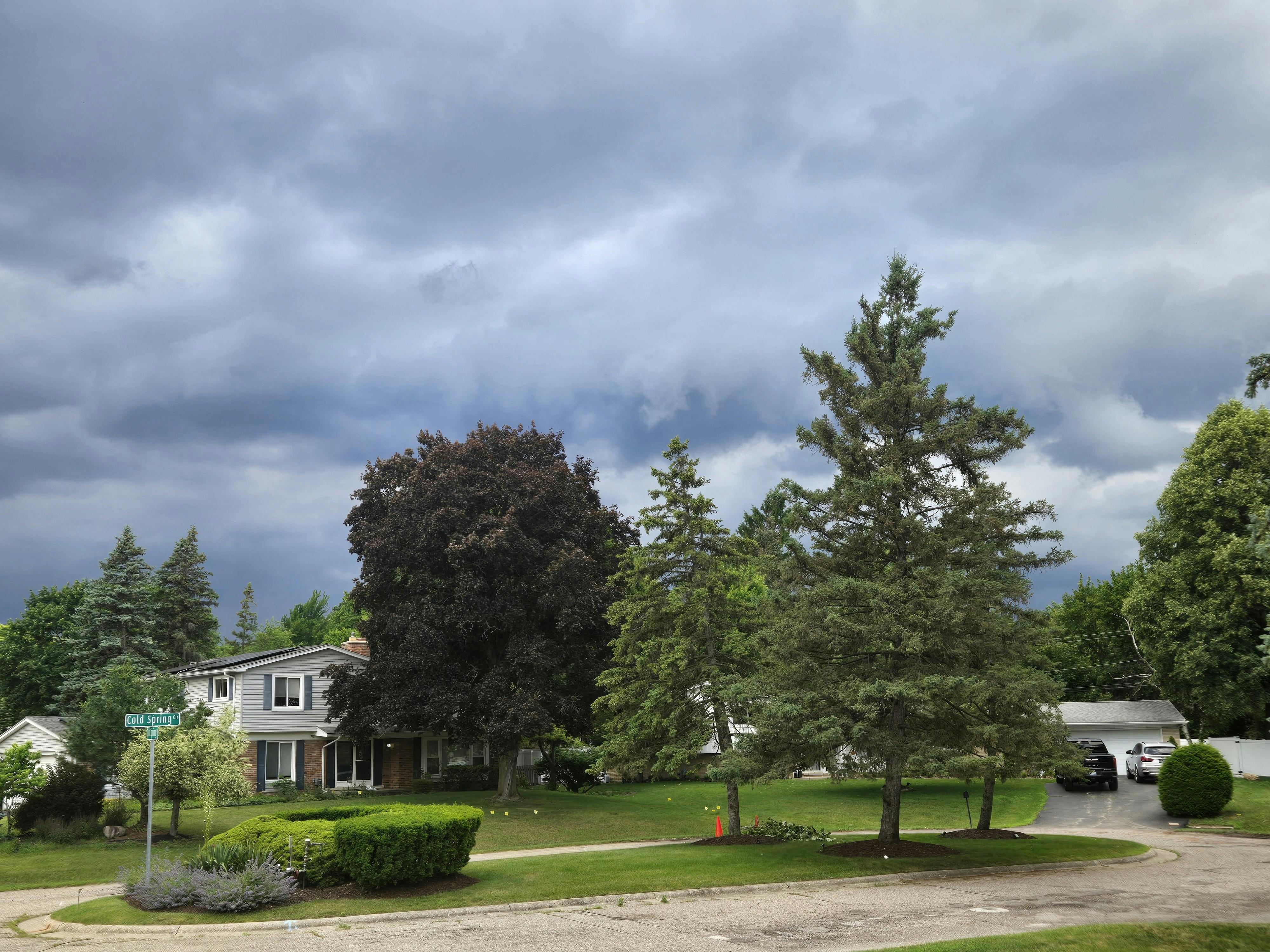
Patagonia Sub is one of the faster-growing communities near Kuna. Lots are large and open, which means plenty of room for trees — but not much existing shade yet.
Most new lots in Patagonia Sub were graded and filled during construction. That process can leave behind compacted soil that challenges root growth. Trees grown right here in Canyon County are already conditioned to that kind of ground.
Our farm in Nampa sits about 30 minutes from the Patagonia Sub area via I-84. We grow trees that have spent years in the same high-desert climate you live in — the same alkaline soil, the same dry summers, the same afternoon winds off the valley floor.
Spring inventory sells fast across the Treasure Valley. Popular sizes can thin out by mid-May. If you have a planting project in mind for this year, checking availability early puts you ahead of the rush.
What Patagonia Sub Homeowners Should Know Before Buying a Tree
Many Patagonia Sub lots went through heavy grading before homes were built. That process often leaves compacted fill beneath the surface — not the loose, workable soil that trees prefer. Loosening the planting zone before you dig makes a real difference in how well roots take hold.
Nampa receives around 12 inches of rain per year. That is dry by most standards. Species that need consistent moisture will struggle here without a reliable irrigation setup in place.
Patagonia Sub's HOA manages open space, walking trails, and common areas throughout the neighborhood. For trees on private lots, HOA covenants can still set rules on placement and sizing — especially near shared fencing or lot lines. Check with your HOA before ordering a large-caliper tree.
Nampa city code also requires a permit before planting in the public right-of-way. Even in newer Kuna-area communities, that rule applies. If you are unsure whether your planting location falls in the right-of-way, your HOA or the City of Nampa can clarify before you commit.
The UI Extension office in Canyon County offers soil testing guidance and is a good first call if you want to know exactly what your fill soil is working with. Call ahead to confirm hours and what to bring.
Which Trees Survive Canyon County Soil and Wind Near Patagonia Sub
Patagonia Sub's open-field setting means afternoon winds hit hard. Trees on west- and south-facing lot lines take the most exposure. Species that develop strong root anchoring from the start hold up better in this kind of terrain.
Canyon County soil commonly tests above pH 7.5 — that is alkaline. Some trees handle that naturally. Honeylocust and hackberry are two species that need no soil amendments in these conditions. They root well, tolerate dry summers, and stand up to wind.
Maples are popular, but they often need sulfur added to the soil before they perform well in Canyon County. If you have your heart set on a maple, a soil test first saves you trouble later.
Evergreens work well as windbreaks along west- and south-facing lot lines. They provide year-round screening and help buffer the open-field wind exposure that Patagonia Sub lots get through fall and winter.
Newer lots in Patagonia Sub may also have sandy-clay fill from grading. That mix drains unevenly and can be hard on shallow-rooted ornamentals. Browse our full tree selection to see which species have proven root systems for that kind of fill environment — we can point you toward stock that has already handled it in the ground.
Neighboring communities like Cazador subdivision in Kuna and the Southridge Golf Club area share the same soil profile and wind exposure. The species that work there work here.
How the Farm Gets Trees to Kuna-Area Neighborhoods Like Patagonia Sub
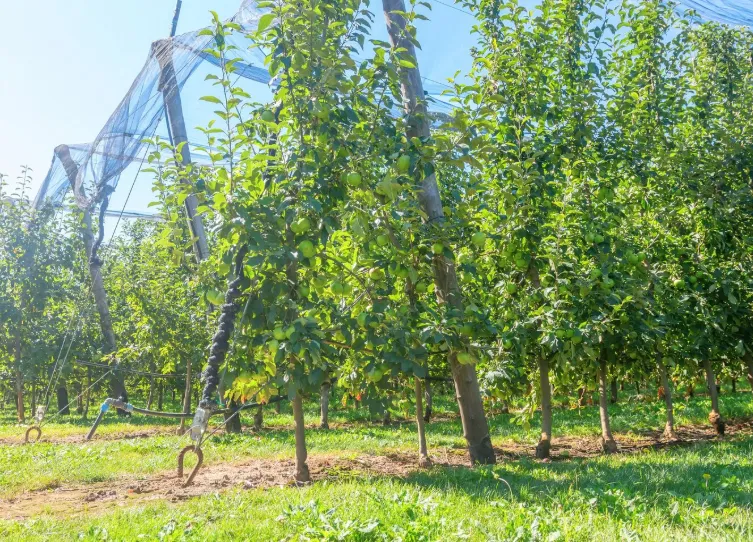
Most of our trees are between 5 and 10 years old. That means you are getting a tree with an established root system — not a sapling from a greenhouse tray. There is a real difference in how those trees perform in the ground from day one.
We use spade trucks to move trees with the root ball intact. That method reduces transplant shock compared to bare-root handling. The tree arrives with its root structure preserved and ready to settle into its new location.
Delivery to Kuna-area subdivisions like Patagonia Sub is available. Minimum order quantities may apply, so confirm current requirements when you call. Patagonia Sub lots with wide driveways and open yard access make placement straightforward for our equipment.
If you would rather haul a tree yourself, our farm has space for trucks and trailers. Some buyers from the Kuna corridor prefer to come out, walk the orchard, pick their tree in person, and take it home the same day.
Homeowners from the Arbor Ridge Park area and the Ridgecrest Golf Club neighborhood have used this same delivery method. The process is familiar to us across Treasure Valley communities, and Patagonia Sub is a manageable drive on I-84.
Getting to Our Nampa Tree Farm from the Patagonia Sub Area
The drive from Patagonia Sub in Kuna to our farm at 12747 Lake Shore Dr in Nampa takes about 30 minutes and covers 18.1 miles.
From Patagonia Sub, head out to S Magellan Ave and take E Hubbard Rd west to ID-69 S. Follow ID-69 S for about 2.7 miles, then continue through the W Kuna Rd corridor heading west. Turn onto W Deer Flat Rd and follow it 4 miles out toward the Deer Flat National Wildlife Refuge area — a useful landmark as you approach Canyon County's west side. At the traffic circle, continue straight onto Deer Flat Rd, then turn right onto ID-45 N.
Turn left onto Emerald Rd/Lake Shore Dr and continue 4.4 miles. The farm will be on your left at 12747 Lake Shore Dr.
You can also find full service area details on our locations page..
Our farm has room for trucks and trailers if you plan to haul a tree home the same day. Call ahead before making the drive to confirm current hours and what is available in the ground.
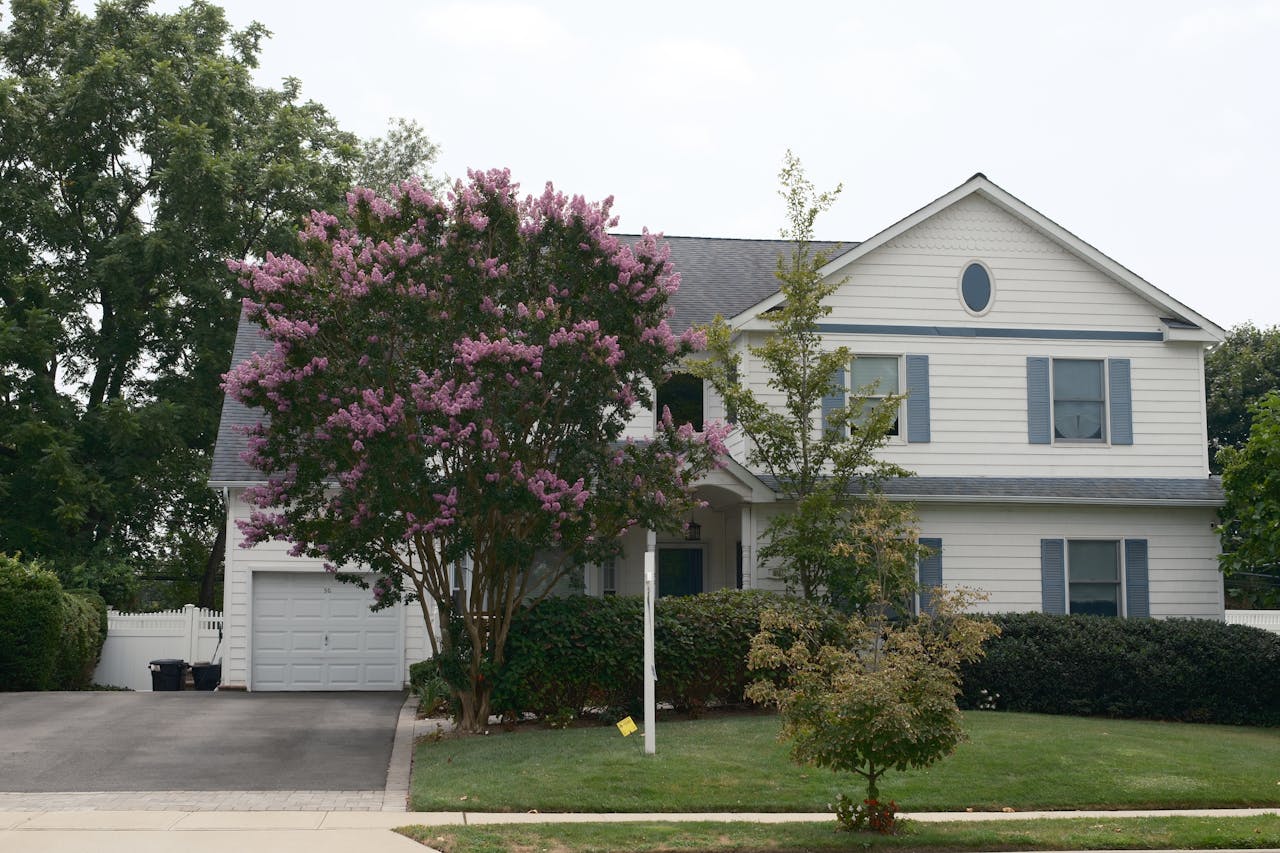
Spring and Fall Planting Windows for the Treasure Valley
Spring is the busiest planting season across the Treasure Valley.
If you are planning a spring project in Patagonia Sub, place your order by late February. Inventory in popular sizes and species thins out by mid-May — sometimes earlier in a strong season.
Fall is a solid second window for Canyon County. The soil stays workable longer here than in higher-elevation parts of Idaho.
Plan to get your tree in the ground at least six weeks before the first hard freeze. In Canyon County, that window typically closes in
mid-to-late November.
Summer planting is possible but harder on new trees. Nampa averages over 200 sunny days per year, and summer temperatures push into the low 90s. A tree going into dry, hot ground needs irrigation in place before it arrives — not after.
The first year is the most important regardless of when you plant.
A slow, deep watering method works best in alkaline, low-rain Treasure Valley soil. Frequent shallow watering encourages surface roots that dry out fast. Deep soaks spaced further apart push roots down where moisture and stability are.
Fall planting also tends to avoid the HOA activity peak in Patagonia Sub. Community events and pool season wind down by September, which makes it easier to schedule delivery and placement without coordinating around neighborhood traffic.
Residents from Arbor Ridge, Sundance, and Southridge Also Make the Trip
Patagonia Sub is not the only Treasure Valley community making the drive out to our farm on Lake Shore Dr. Homeowners from Arbor Ridge Park, Sundance, and the Southridge Golf Club area are regular visitors — and they share a lot of the same planting challenges.
These are all newer neighborhoods with large open lots, alkaline Canyon County soil, and HOA-managed common space. The species that work in Patagonia Sub work in these communities too. Farm-grown Canyon County stock outperforms trees shipped in from wetter Northwest climates — the root systems are already conditioned to dry summers and high-pH soil.
Southridge Golf Club area homeowners deal with the same strong afternoon winds that Patagonia Sub lots get. Wind-firm species and windbreak evergreens come up in nearly every conversation we have with buyers from that part of Nampa.
The Cazador subdivision in Kuna is another community whose buyers make the trip. Cazador lots share Patagonia Sub's soil profile and open-field exposure. Buyers from that area often come out in late February or early March to get ahead of the spring inventory rush.
From any of these Treasure Valley neighborhoods, the drive to our farm is under 30 minutes. If you are coming from the Kuna corridor, ID-69 S to Deer Flat Rd is the most direct route.
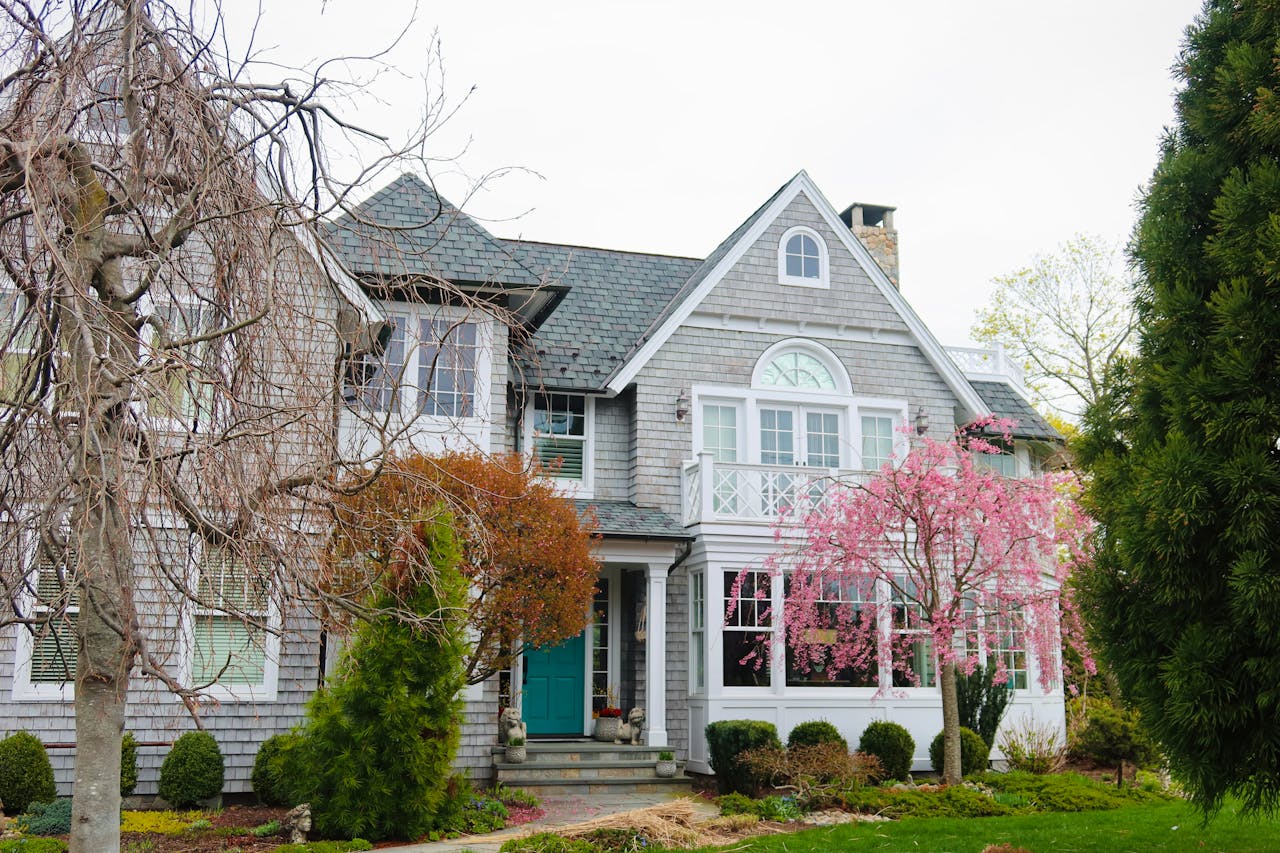
Frequently Asked Questions
Trees are serious, and so are your questions. Here are just a few:
Do tree farms near Nampa deliver to Patagonia Sub in Kuna?
Yes, we deliver to Kuna-area subdivisions including Patagonia Sub — minimum order quantities may apply, so call ahead to confirm current requirements and availability for your area.
What trees work best on open Patagonia Sub lots with strong afternoon winds?
Wind-firm species like honeylocust and hackberry perform well on open Patagonia Sub lots, and evergreens planted along west- and south-facing lot lines make effective windbreaks. Shallow-rooted ornamentals tend to struggle in this setting.
Does Patagonia Sub's HOA have rules about tree planting on private lots?
HOA covenants in Patagonia Sub can vary by phase — check with your HOA directly before ordering a large-caliper tree, especially for plantings near shared fencing or lot lines.
Is spring or fall a better time to plant trees near Kuna and the Patagonia Sub area?
Both windows work well in Canyon County. Spring inventory moves fast — order by late February to secure your selection. The fall planting window typically closes in mid-to-late November, at least six weeks before the ground freezes.
Does Patagonia Sub's compacted builder soil need amendment before planting?
In many cases, yes. Compacted fill from construction grading can restrict root growth. A soil test through the UI Extension office in Canyon County is a good first step before you plant.
How far is the Nampa tree farm from the Patagonia Sub neighborhood in Kuna?
The drive is about 30 minutes and 18.1 miles via Lake Shore Dr. From Patagonia Sub, take ID-69 S to Deer Flat Rd, then ID-45 N to Lake Shore Dr — the farm is on the left at 12747 Lake Shore Dr.
COMPANY
CUSTOMER CARE
LOCATIONS
NEWS
LEGAL


© Copyright 2026. Melad Tree Farm. All Rights Reserved.