Find Your Perfect Tree at a Tree Farm near Star in Nampa
Star sits in Ada County just west of Boise. This page covers tree farm options near Star for buyers in Nampa and across the Treasure Valley. Local farms grow trees that match Idaho's alkaline soils and Zone 6-7 winters. That means fewer problems after you plant.
If you just moved to Star or a nearby town, you want trees that settle in fast. Trees grown at local farms already know the clay-heavy, alkaline soil south of I-84. They spend less time adjusting and more time growing.
The Treasure Valley falls in USDA Zones 6b-7a. Summers get hot. Winters can drop below zero. Our trees at Melad Tree Farm spend 5 to 10 years growing in these exact conditions. By the time you take one home, it's ready for your yard.
Families in Star and Eagle Drive to Tree Farms for Hands-On Selection
Picking a tree online is hard. You can't see the shape, check the trunk, or ask questions. That's why families from Star and Eagle make the short drive to tree farms.
Walk the rows at your own pace. Compare sizes side by side. Talk to staff about what works best for your lot. Many visitors turn the trip into a day out. Eagle Island State Park and the Boise River are close by. Some families stop in downtown Eagle or along Highway 55 on the way home.
HOA Rules in Star Neighborhoods May Affect Tree Size and Placement
Many Star subdivisions have rules about what you can plant and where. Heron River, Alderbrook, and Shooting Comet all have landscape guidelines. Some require you to submit plans before adding trees.
Check your HOA's rules for Class I, II, or III tree size limits. According to the Idaho Department of Lands, Class I trees stay under 25 feet at full height. Class II and III trees grow taller but may need more setback from fences or property lines.
Our staff can help you pick species that fit your HOA's requirements. Sorting this out before you buy saves time and the cost of replanting later.
Choose Evergreens, Shade Trees, or Fruit Trees Based on Your Lot
Your yard has its own mix of sun, soil, and space. The right tree depends on what you want it to do.
Privacy: Evergreens like blue spruce block views year-round.
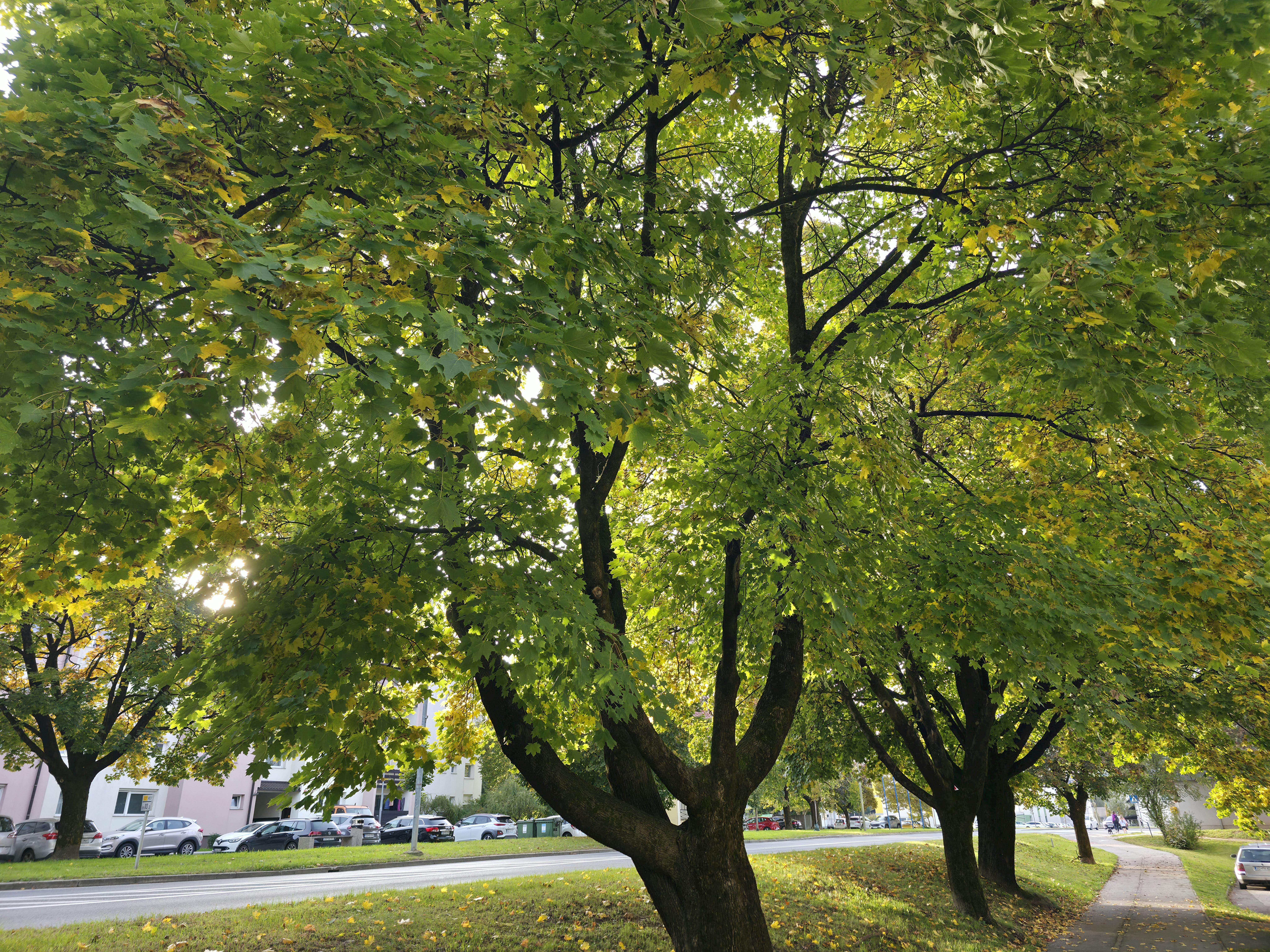
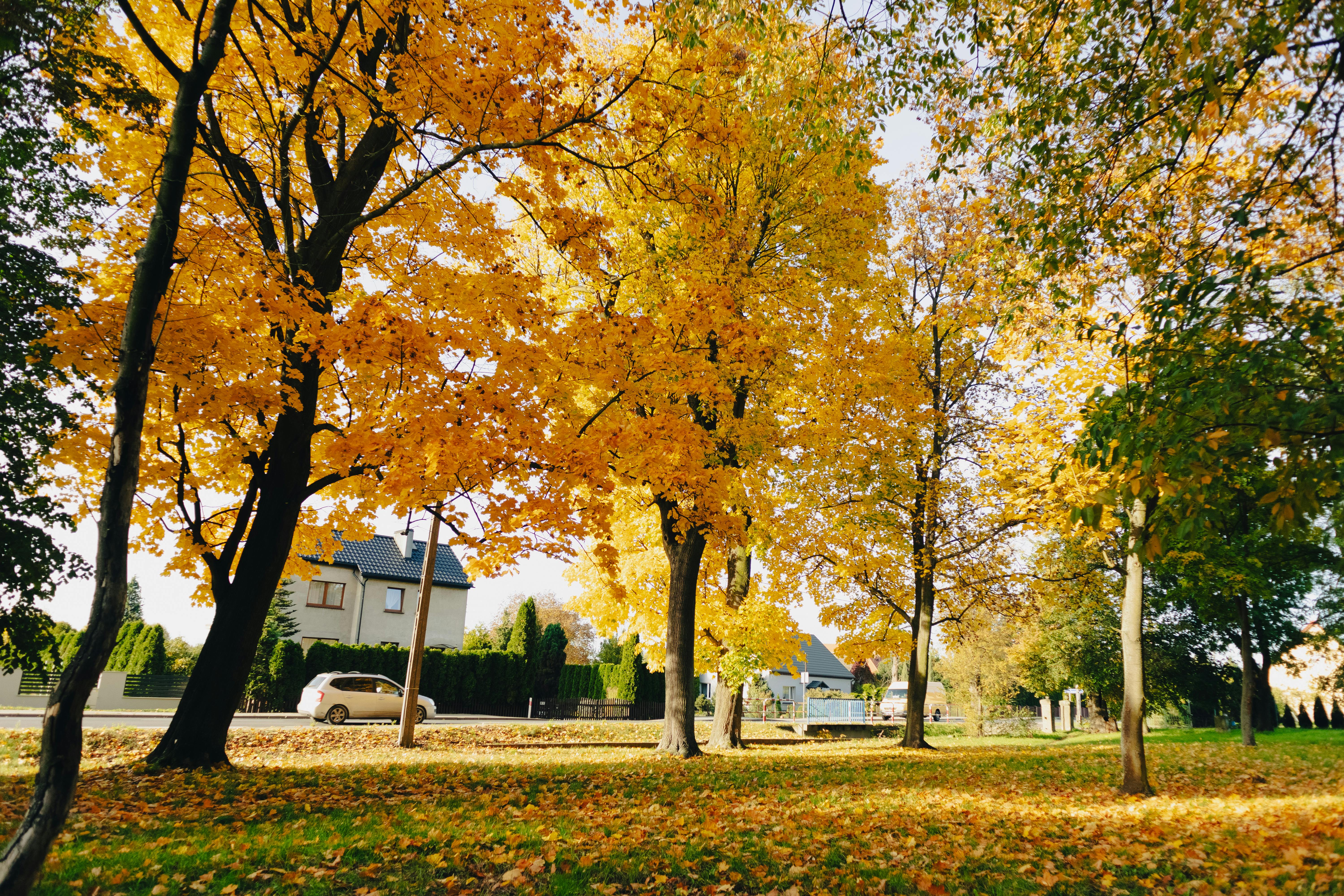
Shade: Honey locust grows a wide canopy and handles heat well.
Fruit: Crabapples and other fruit trees do well here with steady watering.
Drought tolerance: Ponderosa pines and junipers need less water once their roots settle in.
Think about how much sun your lot gets and whether you have drip irrigation. Smaller lots may need narrow or columnar trees. Larger properties can handle wide-spreading shade trees.
Browse our tree selection to see what we grow at the orchard.
Getting Here from State Street or Highway 44 Is Simple
Customers reach us from Nampa, Caldwell, Meridian, and Boise without much trouble. The drive is short, and we have parking on-site.
One thing to know: the Star Road and State Street intersection gets busy. Morning visits tend to go smoother before traffic picks up.
From Star:
Head toward N Star Rd and turn right at the first cross street onto S Star Rd. At the traffic circle, continue straight and stay on Star Rd as it becomes Robinson Blvd. You'll pass through several roundabouts—take the 2nd exit at each to stay on S Robinson Rd. Turn right onto E Lewis Ln, then left onto S Can Ada Rd/Happy Valley Rd. Turn right back onto E Lewis Ln and continue about 3 miles. Turn left onto ID-45 S for half a mile. Turn right onto Emerald Rd/Lake Shore Dr and follow Lake Shore Dr. Look for Melad Tree Farm on the left.
The drive takes about 36 minutes and covers 21 miles.
See all service areas we cover across the Treasure Valley to learn more.
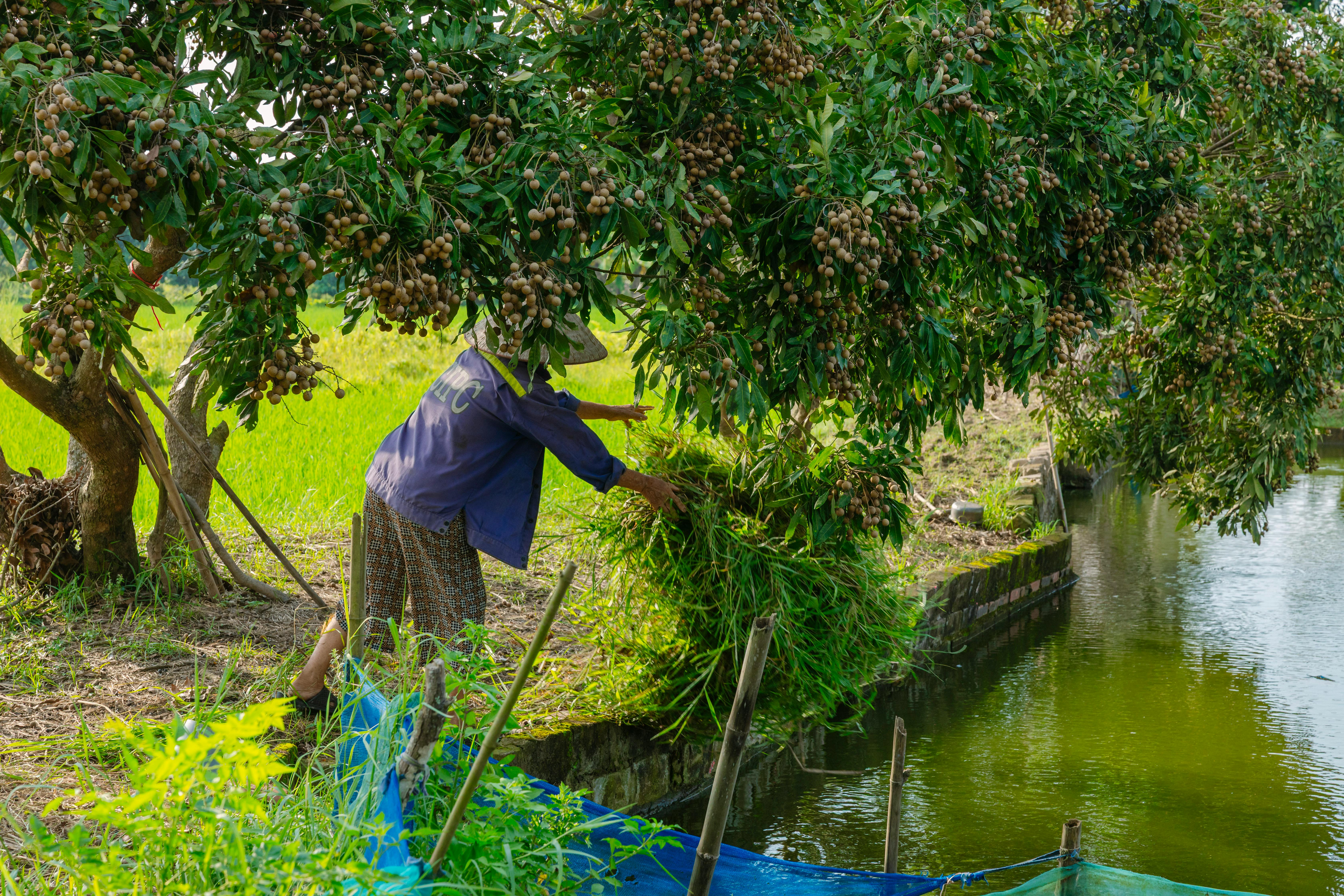
Fall and Early Spring Are the Best Planting Seasons in Nampa
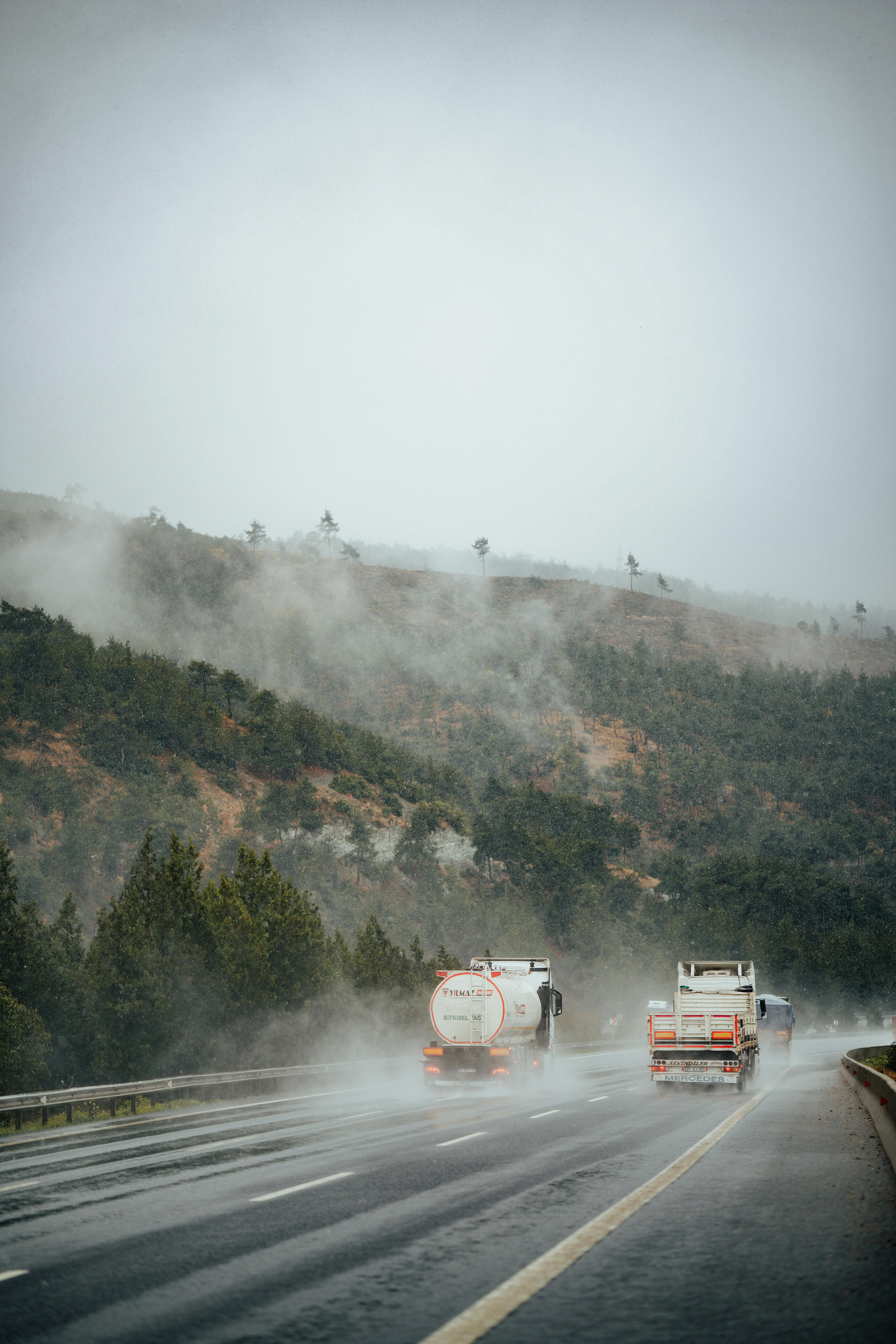
Timing matters when you put a tree in the ground. In the Treasure Valley, fall and early spring give roots time to settle before summer heat arrives.
Cooler temps mean less stress on new trees. Roots grow quietly underground while the top of the tree rests. By the time hot weather hits, your tree has a head start.
Keep in mind that Nampa only gets about 11 inches of rain per year. Plan on drip irrigation to help your tree through its first summer. Before you dig, call Digline at 811 to mark any underground utilities on your property.
Frequently Asked Questions
Trees are serious, and so are your questions. Here are just a few:
Do tree farms near Star deliver to Nampa and Caldwell?
Many farms offer delivery within the Treasure Valley. Call ahead to confirm the delivery radius and any fees. Some farms include delivery for larger trees while others charge by distance.
What size trees can I plant close to power lines in Star?
Class I trees are the safest choice near overhead lines. These stay under 25 feet at full height. Taller trees can grow into wires and cause problems later.
Do I need a permit to plant trees in Star city limits?
Most residential lots do not require a permit for planting trees. If you're adding trees near the street or in a right-of-way, check with the city first.
When are tree farms near Star busiest?
Spring weekends see the most visitors. Plan a weekday or morning trip if you want more time with staff and shorter waits.
Can I bring a large truck or trailer for pickup?
Yes. Most farms welcome trucks and trailers. Call ahead if you need help with balling or loading your trees.
Are there trees that do well in Star's alkaline soil?
Junipers, honey locust, hackberry, and many maples adapt well to local soil conditions. Our trees spend 5 to 10 years growing in this same soil before they reach your yard.
COMPANY
CUSTOMER CARE
LOCATIONS
NEWS
LEGAL


© Copyright 2026. Melad Tree Farm. All Rights Reserved.