Grow Something Real: A Tree Nursery Built for Midway, Nampa
The Midway area sits in west Nampa near Midway Road and Smith Avenue. This part of town is growing fast. New subdivisions are going up quickly, and more families are putting down roots here every season.
Lot sizes near Midway Road typically run between 9,000 and 17,000 square feet. That is real space — enough for trees that grow tall and last decades. Many of these lots came with compacted builder's fill just below the surface. That changes how trees grow and what species hold up long-term.
Nampa sits in USDA Hardiness Zone 6a to 7a. Summers run hot and dry. Winters get cold. Only about 11 inches of rain fall here each year. Trees that were grown locally already know how to handle that. Stock shipped in from wetter climates often struggles in its first season here.
This page covers our tree nursery Midway Nampa selection and what to expect when you visit. The closer your nursery is to home, the less time roots spend drying out in transit. Before you make the drive, check what we have in stock this season.
Why Midway-Area Soil Demands a Locally Grown Tree
Many lots near Midway Road and Iowa Avenue have compacted builder's fill just under the surface. That layer slows drainage and makes it harder for roots to spread. Trees planted without accounting for it often stall or fail in the first two years.
Soil in west Nampa also tends to test above pH 7.5. That is highly alkaline. Species like dogwood and ornamental cherry struggle in those conditions without heavy amendments.
Trees grown locally are already hardened to Treasure Valley wind and summer heat above 95°F. Shipped stock has to adjust to a new climate at the same time it is trying to establish roots. That is a lot of stress on a young tree.
Properties near Lake Lowell — including Lake Lowell Estates and Stella's Point — can also sit above a higher water table. Plant the wrong species in a low-lying area and root rot becomes a real risk. For alkaline, compacted, or wet-prone lots in this part of Nampa, honeylocust, hackberry, and Russian hawthorn are proven performers.
To see what species we currently have in stock suited to Midway-area conditions, browse our trees first before you make the drive.
How to Pick the Right Tree for Your Nampa Yard
Most customers coming to us from Midway-area subdivisions are looking for shade, privacy, or better curb appeal. Those are all good goals. The right tree gets you there without creating problems down the road.
Before you pick a spot, know what is above and below it. Overhead power lines, underground gas lines, and buried irrigation all affect what you can plant and where. Nampa requires a Digline call at 1-800-342-1585 before any digging. That call is free and takes a few minutes.
If your planting spot sits under power lines, stick with species that stay under 25 feet at full height. Ask us whether the root stock you are considering was grown here in the Treasure Valley or shipped in from a wetter region. That one question matters more than most people realize.
Timing matters too. Bare-root stock arrives in late February and moves fast. Container trees can go in the ground through June as long as you water daily. Fall planting works well if you get the tree in at least six weeks before the first frost. In Nampa, frost risk begins as early as late September and the average first frost hits around mid-October. That means fall planting should wrap up by late August to early September to give your tree the best chance.
We also see customers regularly from the Deer Flat area and Two Towers subdivision, where lot sizes and soil conditions are similar to what you find along Midway Road.
What to Expect When You Visit Our
Nampa Tree Farm
When you pull in, you will find an open lot with room to park trucks and trailers. If you are loading a large-container tree, you will not be squeezing through a tight space to do it. Come ready to take your time walking the rows.
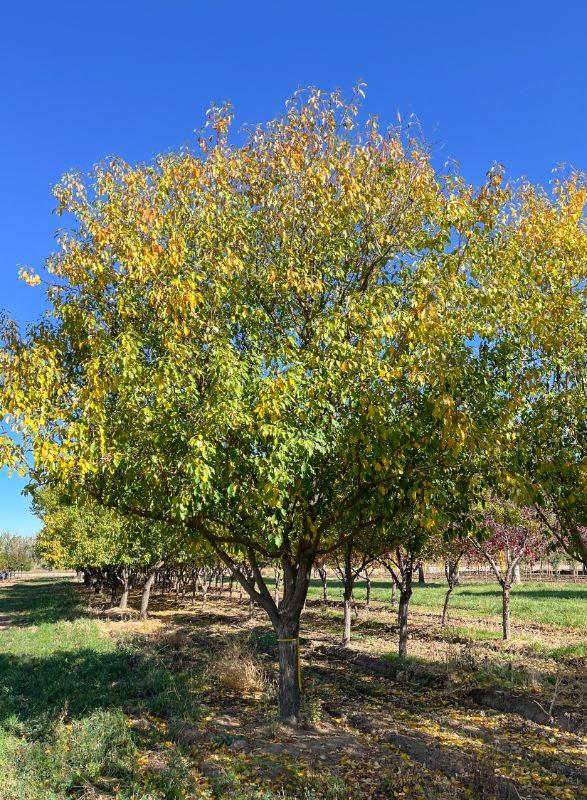
The trees here have been grown in Canyon County heat and wind. You are not looking at stock that just arrived from out of state. What you see has already been through a Treasure Valley summer. That matters when you are putting something in the ground that needs to last 20 or 30 years.
Staff can help you match a species to your lot size, your soil test results, and any HOA rules that apply to your neighborhood. Many communities near Midway Road require landscaping approval before you plant. Knowing that before you buy saves a trip back. You can also learn more about our nursery and what we grow at our tree nursery page.
We stock 15-gallon and larger trees that are ready to go in the ground this season. April and May are our busiest months. If you are planning a visit during that window, call ahead to confirm what is available. We also regularly serve customers coming from Karcher Junction, Roosevelt, and south Nampa neighborhoods.
Getting Here from Midway Road and
Nearby Nampa Neighborhoods
From Midway Road in west Nampa, the drive to our farm takes about 24 minutes and covers just over 15 miles. No freeway needed. The route follows familiar Canyon County roads the whole way.
- Head toward N Midway Road and turn left onto N Midway Rd
- Turn right onto ID-55 S/Karcher Rd and follow it for about 4.5 miles
- Turn left onto Riverside Rd/Sunny Slope Rd and continue 2.6 miles
- Turn left onto Lake Shore Dr/Perch Rd and follow it for 3 miles
Turn left onto Lake Shore Dr/Marsing Rd — the destination will be on your right
You will pass along the south side of Lake Lowell on the final stretch. That is a good landmark to confirm you are on the right road. Look for Melad Tree Farm at 12747 Lake Shore Dr, Nampa.
Customers coming from south Nampa neighborhoods and the Lake Lowell Avenue corridor are typically within 10 minutes. Truck and trailer parking is available on-site for loading large trees. April and May hours may be extended — call ahead to confirm before you make the drive. We serve customers across the Treasure Valley — see the full list of areas we serve.
Preparing Your Midway or Lake Lowell Estates Yard Before Planting
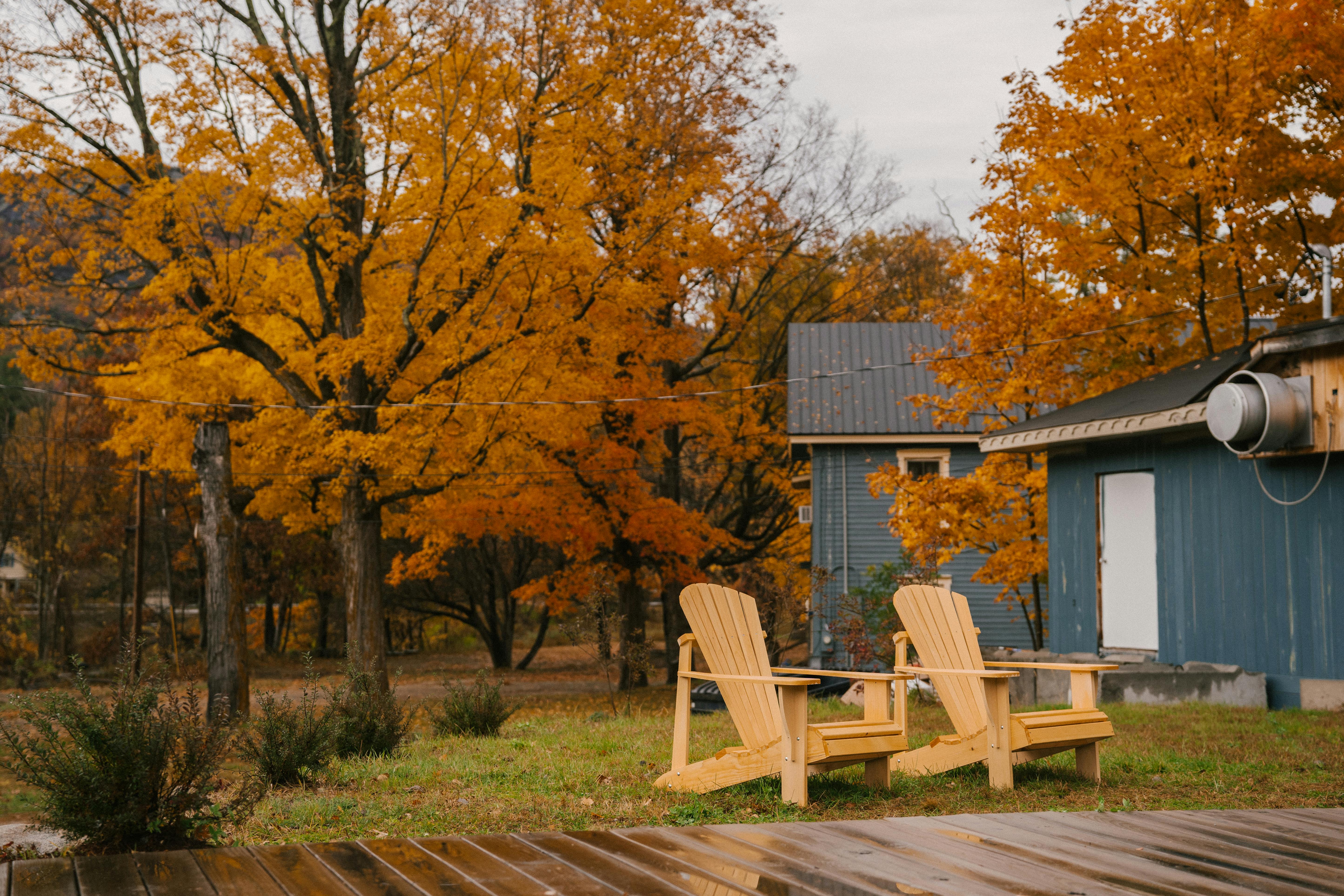
If your yard came with a new construction lot, the ground may look fine on top and be compacted fill just a few inches down. That is common along the Midway Road corridor. A little preparation before planting makes a real difference in how fast your tree establishes.
Start with a soil pH test. The University of Idaho Extension office in Canyon County offers soil testing and can walk you through what your results mean. If your soil tests high — above 7.5 is common here — you may need to add compost to loosen clay-heavy fill or sulfur if you are planting an acid-loving species.
Water is the other piece. Nampa gets about 11 inches of rain per year. That is not enough to carry a new tree through its first summer on its own. Drip irrigation is the most reliable setup here. It puts water directly at the root zone without wasting it to evaporation. Add three to four inches of mulch around the base to hold that moisture in and protect roots from temperature swings.
If your property sits near Lake Lowell, pay attention to low-lying spots in your yard. A higher water table in those areas makes deep-rooted species a poor fit. Afternoon winds also move through this part of the valley with real force. Homes along the Iowa Avenue corridor and in Hunter's Point sit in the same soil zone. A windbreak on the west or southwest side of your lot helps protect new plantings until they are established.
Keeping Your New Tree Alive Through
Nampa's Hot, Dry Summers
Nampa gets over 200 sunny days per year. That is good news for growing seasons and hard news for new trees in their first summer. A tree that went into the ground in April needs real support to make it through July and August.
Water deeply and slowly. Drip irrigation beats overhead sprinklers in this climate because it puts moisture directly at the root zone. Shallow, frequent watering trains roots to stay near the surface — exactly where the heat hits hardest. One deep soak every few days does more than a quick spray every morning.
Put three to four inches of arborist mulch around the base of the tree. Keep it a few inches back from the trunk itself. That layer holds moisture in, keeps soil temperatures from spiking, and breaks down over time to feed the root zone.
Watch for heat stress through the summer. Curling leaves, early leaf drop, and wilting after noon are all signs your tree needs more water or shade protection. Also worth knowing: alkaline water from local taps can slowly push your soil pH higher over time. Retest your soil each season if you are growing species that are sensitive to that shift.
If your lot sits near Deer Flat National Wildlife Refuge, afternoon winds off the open area can dry out new plantings fast. A windbreak on the west or southwest side helps. Before you leave the nursery, ask us for a watering schedule specific to the species you are taking home.
Frequently Asked Questions
Trees are serious, and so are your questions. Here are just a few:
When is the best time to visit the nursery near Midway Road?
April and May are our peak planting months and the best time to find the widest selection. Weekends during that window get busy. Call ahead to confirm stock and current hours before making the drive.
Do trees need a permit before planting in Nampa's right-of-way?
Yes, the City of Nampa Tree Ordinance covers planting in public rights-of-way, and a Digline call to 1-800-342-1585 is required before any digging. That call is free and protects you from hitting buried lines on your property as well.
Can I plant trees if my Midway-area neighborhood has an HOA?
Most HOA communities near Midway Road require landscaping approval before you plant. Bring your tree selection and planting plan to your HOA board first. Getting that sign-off ahead of time saves you from having to remove a tree after it is already in the ground.
What trees survive Nampa's alkaline soil without a lot of amendments?
Honeylocust and hackberry handle high pH soil well and are solid choices for west Nampa lots. Maples can work but typically need sulfur added to bring the pH down to a range they tolerate.
Do you deliver to subdivisions near Lake Lowell or south Nampa?
Delivery options vary depending on order size. Ask us about minimums for your area when you call or visit. Larger orders are easier to schedule for delivery than single trees.
Is fall planting safe in Nampa before the first hard freeze?
Yes, as long as the tree goes in at least six weeks before Nampa's average first frost. Frost risk here begins around late September, with the average first frost hitting around mid-October. Plan to finish fall planting by late August or early September to stay safely ahead of that window.
COMPANY
CUSTOMER CARE
LOCATIONS
NEWS
LEGAL


© Copyright 2026. Melad Tree Farm. All Rights Reserved.