Trees Built for Nampa's Heat and Clay — Right Near
Ridgecrest Golf Club
If you're looking for a tree nursery near Ridgecrest Golf Club Nampa, starting with stock raised in Idaho's climate gives you the best shot at long-term success.
Neighborhoods like The Greens at Ridgecrest and Hartland sit on lots ranging from 0.08 to 0.24 acres. Space is limited. HOA rules are real. And Nampa's soil — alkaline clay with as little as 11 inches of rain a year — will punish the wrong tree fast.
Trees grown and raised here in the Treasure Valley are already hardened to the heat, wind, and frost before they ever reach your yard. Out-of-state stock often arrives soft and struggles through its first summer. Local stock doesn't have that problem.
Spring stock moves fast. April and May are our busiest months.
Check availability early so you're not left with whatever's left on the lot.
Northeast Nampa Lots Need Trees Chosen for Clay, Wind, and Low Rain
The Ridgecrest area sits in USDA Hardiness Zone 7a. That means winters that can drop into the teens on cold nights and summers that regularly hit the low 90s°F. Trees that aren't built for that range will struggle.
Soil in this part of Canyon County is alkaline clay — often above pH 7.5. Some lots also have a caliche hardpan layer sitting 18 to 30 inches below the surface. That concrete-like layer will stop tap roots cold. Break through it before you plant, or the tree won't anchor properly.
Rain here averages around 11 inches a year. Sprinklers alone won't keep a young tree alive through a Nampa summer. Drip irrigation at the root zone is what actually works.
Some trees handle these conditions well without much help:
Honeylocust — tolerates alkaline clay and drought once established
Hackberry — tough, native to the region, handles wind and heat
Autumn Blaze Maple — popular in Treasure Valley yards for good reason
Rocky Mountain Juniper — drought-hardy, works well as a windbreak
Quaking Aspen — fast-growing, native to Idaho, good for larger lots like Hartland
Avoid acid-loving trees like dogwood or certain maples unless you're ready to amend the soil with sulfur. Without amendment, they'll yellow out and stall. Our trees have grown on-site for 5 to 10 years in these same conditions — they're ready for your yard from day one.
View our full tree selection to see what's available for Nampa's climate.
HOA Rules Near Ridgecrest Golf Club Shape What You Can Plant
Many subdivisions near Ridgecrest Golf Club have Architectural Control Committees — ACCs — that review landscaping decisions before you break ground. Buying the wrong tree and planting it without approval can mean removal at your own cost.
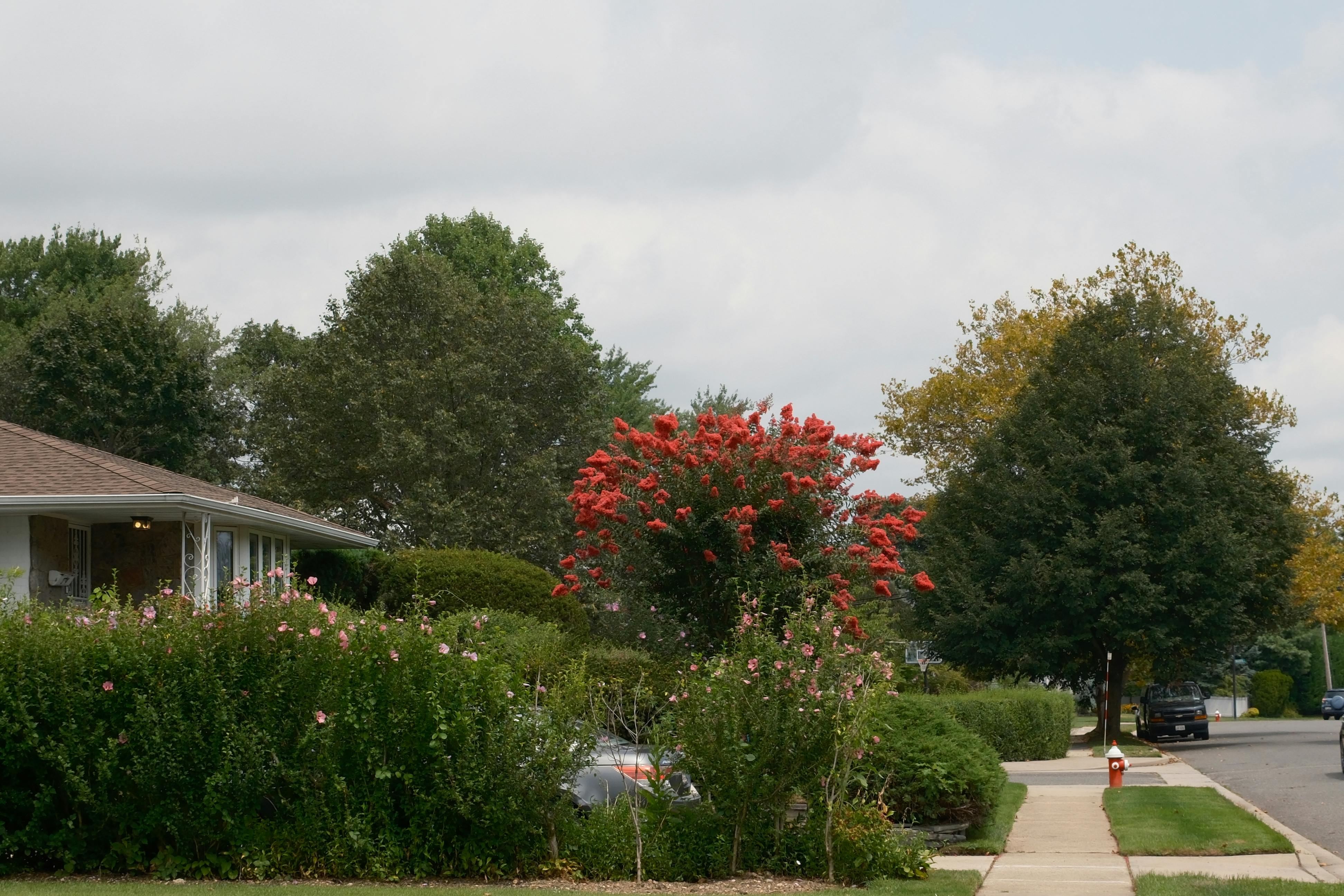
The Greens at Ridgecrest is a gated HOA community with manicured common areas. Lots there run 0.08 to 0.12 acres. Space is tight, and the ACC has real authority over what goes in the ground.
A few things to check with your HOA before you buy:
Minimum caliper size — many Nampa HOAs require front-yard trees at 2.5 inches caliper or larger at planting
Approved species list — some ACCs limit which trees are allowed by name
Canopy spread limits — sight lines near golf course views, private streets, and shared green spaces often restrict how wide a tree can grow
Setback requirements — trees must stay a set distance from fences, paths, and property lines
Hartland subdivision, at the northeast corner of Northside Boulevard and Ustick Road, gives you more room to work with — lots there average around 0.24 acres. But HOA rules still apply. More space doesn't mean fewer restrictions.
Pull your CC&Rs and contact your ACC before you visit us. Know what species and sizes are approved. That way, when you come to the farm, you're picking from trees that will actually pass — not starting over.
Know Your Lot Before You Buy: Size, Sight Lines, and Utility Lines
The right tree in the wrong spot becomes an expensive problem. A little planning before you buy saves you from removal costs, utility conflicts, and HOA headaches down the road.
Before you dig anything, call Digline at 1-800-342-1585. Idaho law requires it. Underground utilities run through most Nampa neighborhoods, and hitting a line is dangerous and costly. This call is free and takes just a few minutes.
Tree class matters when you're near power lines or a small lot:
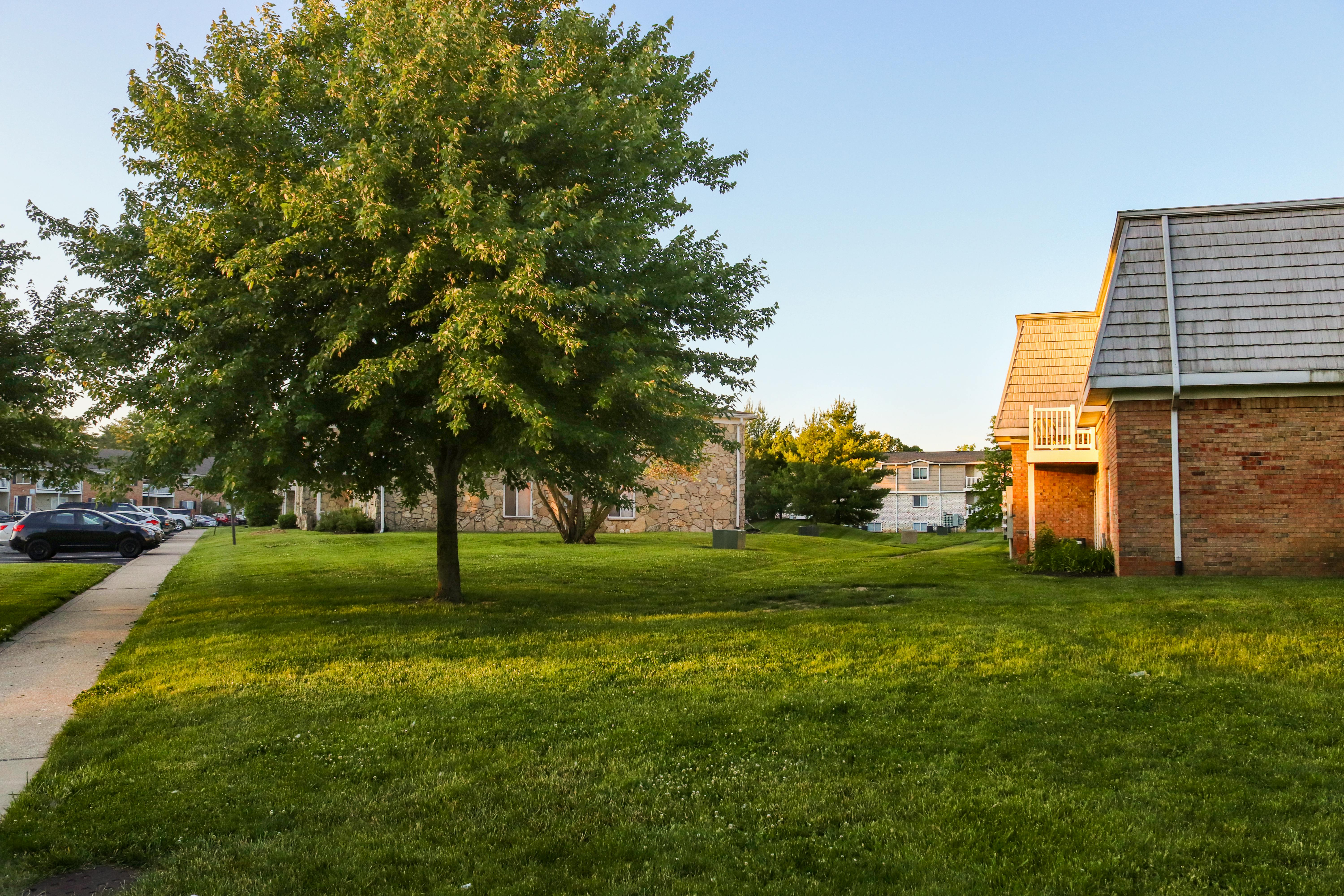
Class I trees (under 25 ft) — safe near overhead lines; good fit for smaller lots in The Greens at Ridgecrest
Class II trees (up to 40 ft) — keep at least 25 feet from overhead lines
Class III trees (60 ft and up) — plant at least 35 feet from your home and well clear of any lines
If you want to plant along Ridgecrest Drive's right-of-way, you'll need a permit from Nampa Forestry first. City Ordinance requires a permit before planting or removing any tree in a public right-of-way. Evergreens and shrubs over 3 feet at maturity are generally not approved for ROW strips. Contact Nampa Parks and Recreation at 208-468-5890 for permit details and to ask about the Right of Way Tree Planting Program — they run it each spring and fall.
If your home is in one of the newer builds along Franklin Road east of Ridgecrest, check your soil before planting. Newer construction in that area often left compacted builder's fill behind. That fill resists roots the same way caliche does — it needs to be broken up and amended before a tree will establish properly.
How to Get to Our Tree Farm from the Ridgecrest Area
Seeing a tree in person before you buy it matters. You can check the shape, the branch structure, and the overall health — things that don't come through in a photo. We're easy to reach from the Ridgecrest Golf Club area, and we're set up to handle trucks and trailers for loading larger specimens.
From Ridgecrest Golf Club at 3730 Ridgecrest Drive — about 24 minutes, 12.8 miles:
- Exit the parking lot and take Ridgecrest Drive west to 11th Avenue N
- Turn left on 11th Avenue N and head south for about 1 mile
- Turn left on N Sugar Avenue, then right on Garrity Boulevard
- Turn left on 16th Avenue N — continue through Holly Street and Fern Street/Sheridan Avenue
- Continue onto SunnyRidge Road, then turn right on E Locust Lane
- Turn left onto ID-45 South for about 1.5 miles
- Turn right onto Emerald Road/Lake Shore Drive — Melad Tree Farm at 12747 Lake Shore Drive will be on your left
You'll pass Lake Lowell on the way down — a good landmark that tells you you're close. Call ahead during April and May — spring weekends move fast and stock sells out quickly.
Our trees grow on-site for 5 to 10 years before they're available. By the time you pick one out, it's already spent years hardening to Nampa's alkaline soil, summer heat, and Treasure Valley wind. Ready to see the selection in person? Tour our Nampa nursery before your visit.
The Best Time to Plant Near Ridgecrest Is
Fall or Early Spring
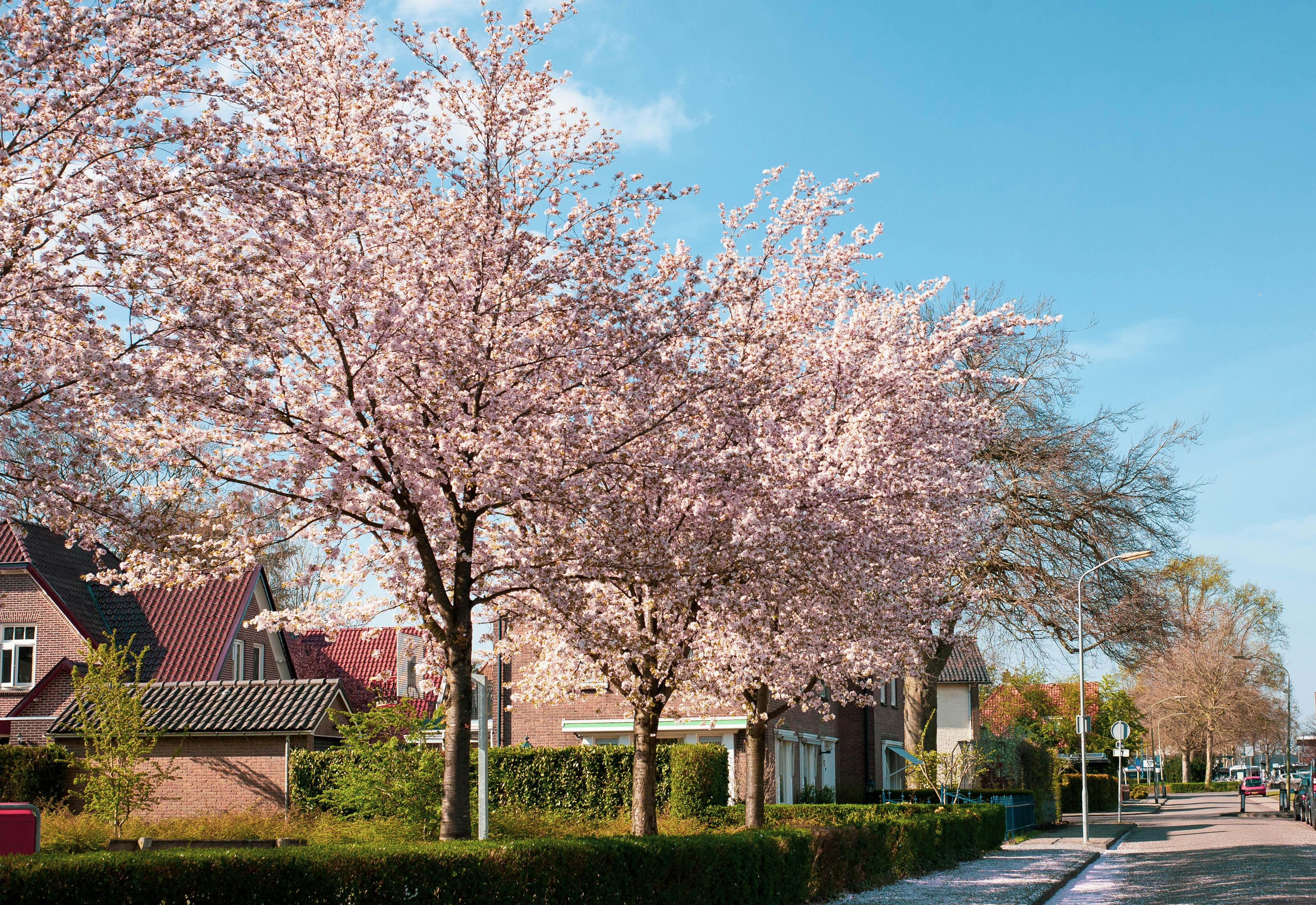
Timing a tree planting in Nampa isn't complicated, but getting it wrong costs you. A tree planted too late in spring goes straight into summer heat before its roots have settled. That's a hard start it may never fully recover from.
Nampa's last average frost lands around mid-May. For tender trees, waiting until June 1 is the safer call. The first frost typically arrives mid-to-late October — which means your fall planting window closes faster than most people expect.
Here's how each stock type fits the Nampa calendar:
Bare-root stock — arrives mid-to-late February; plant before buds break for best results
Balled-and-burlapped trees — cost more, but establish faster in Treasure Valley heat; good choice for maples and lindens
Container trees — more flexible, but don't push planting past June without daily watering; the summer heat margin is thin
For fall planting, aim to get your tree in the ground at least six weeks before the ground freezes — roughly by late September. That gives roots time to anchor before dormancy.
One practical note: Ridgecrest Golf Club hosts active leagues and tournaments through the summer, including the Nampa Amateur and the Mayor's Tournament. Weekend traffic on Ridgecrest Drive gets heavy from April through August. If you're picking up trees during the spring rush, a mid-week visit saves you time on the road.
Buyers near Centennial Golf Course on the other side of Nampa face the same planting window. If that's your area, plan your purchase by mid-March — popular species don't last long once the season opens.
We Bring Trees to Yards Near Ridgecrest, Centennial, and Beyond
Not every homeowner can haul a 15-gallon tree in their back seat. And the bigger the tree, the more transport stress it takes on. Delivery cuts that time down and gives your tree a calmer start in your yard.
We deliver to Nampa subdivisions including neighborhoods near Ridgecrest Golf Club, the Centennial Golf Course area, the Northside Boulevard corridor, and the Idaho Center Boulevard area. See all the areas we serve across the Treasure Valley. If you're not sure whether we reach your street, call us and we'll confirm.
A few things to know before you schedule delivery:
Confirm minimum order — call ahead to verify the minimum number of trees required for delivery to your area
Gated communities require coordination — if you live in The Greens at Ridgecrest, let us know at booking; private streets and gate access need to be arranged ahead of time
Bare-root delivery runs February through early spring — this stock moves fast; don't wait until April to call
Mulch at planting — apply 3 to 4 inches of mulch around the base of your new tree; keep it pulled back from the trunk to prevent rot
Our trees spend 5 to 10 years growing on this farm before they leave. They're not shipped in from another state and dropped at your door. When a Melad tree arrives at your yard, it's already proven it can handle what Nampa throws at it.
Less time in transit. More time putting down roots where it counts.
Frequently Asked Questions
Trees are serious, and so are your questions. Here are just a few:
Do HOAs near Ridgecrest Golf Club restrict which trees I can plant?
Yes — most HOAs in this area require ACC approval before you plant, and many specify a minimum caliper size of 2.5 inches for front-yard trees. The Greens at Ridgecrest and other nearby subdivisions each have their own approved species lists. Pull your CC&Rs and contact your ACC before you buy.
When does spring stock arrive at a Nampa tree nursery?
Most farms stock up by mid-March, and popular species move fast once the season opens. April and May are peak months — calling ahead by mid-March gives you the best selection. Waiting until the weekend you're ready to plant often means settling for what's left.
Can I plant trees in Nampa's alkaline clay soil without amendments?
Honeylocust and hackberry handle high pH soil well and generally don't need amendment. Maples are a different story — most varieties will yellow and stall in Nampa's alkaline clay without sulfur worked into the planting hole. Ask us when you visit and we'll point you toward the right species for your lot.
Do I need a permit to plant a tree along Ridgecrest Drive's right-of-way?
Yes — Nampa City Ordinance requires a permit before planting or removing any tree in a public right-of-way. Evergreens and shrubs over 3 feet at maturity are generally not approved for ROW strips. Contact Nampa Parks and Recreation at 208-468-5890 for permit details and to ask about the city's Right of Way Tree Planting Program.
Is fall planting safe before Nampa's first hard freeze?
Yes, if you time it right. Get your tree in the ground at least six weeks before the ground freezes — that puts your deadline around late September. Nampa's first frost typically arrives mid-to-late October, which means the window closes faster than most people expect. Plant early and let the roots settle before dormancy.
What tree size fits a small lot in The Greens at Ridgecrest?
Class I trees — those that stay under 25 feet at maturity — are the right fit for tight lots in The Greens. Columnar varieties and ornamental crabapples are popular choices. They stay HOA-compliant, don't crowd neighboring lots, and work well near overhead lines.
COMPANY
CUSTOMER CARE
LOCATIONS
NEWS
LEGAL


© Copyright 2026. Melad Tree Farm. All Rights Reserved.