Tree Transplant Near Renaissance Park in Nampa –
Move Your Trees Safely
This page covers tree transplant services for homeowners near Renaissance Park in Nampa. Renaissance Park sits in the Tuscany subdivision at the Nampa-Meridian border. If you need to move a mature tree for a new deck, patio, or addition, transplanting lets you keep it.
Proximity matters in this area. HOA-managed lots and master-planned landscapes mean your trees often need to stay. Soils here test alkaline, with pH levels above 7.5, and they drain fast. Many homes have established trees that now conflict with outdoor projects.
Mature Trees Thrive After Transplant in Treasure Valley Soils
If a tree blocks sunlight or sits where you want to build, you do not have to remove it. Transplanting lets you keep your shade and your property value.
Canyon County soils often contain heavy clay about 18 inches down. The alkaline conditions here limit some species. Honeylocust and hackberry handle these soils well. Our orchard trees spend five to ten years growing in similar Treasure Valley ground before they move to your yard.
Homeowners in the Tuscany subdivision and along the Ten Mile Creek corridor benefit from working with a local farm. Our team knows how roots behave in this soil. You get a tree that settles in faster because it already grew in conditions like yours.
We Move Trees Without Damaging Root Systems Near Tuscany Homes
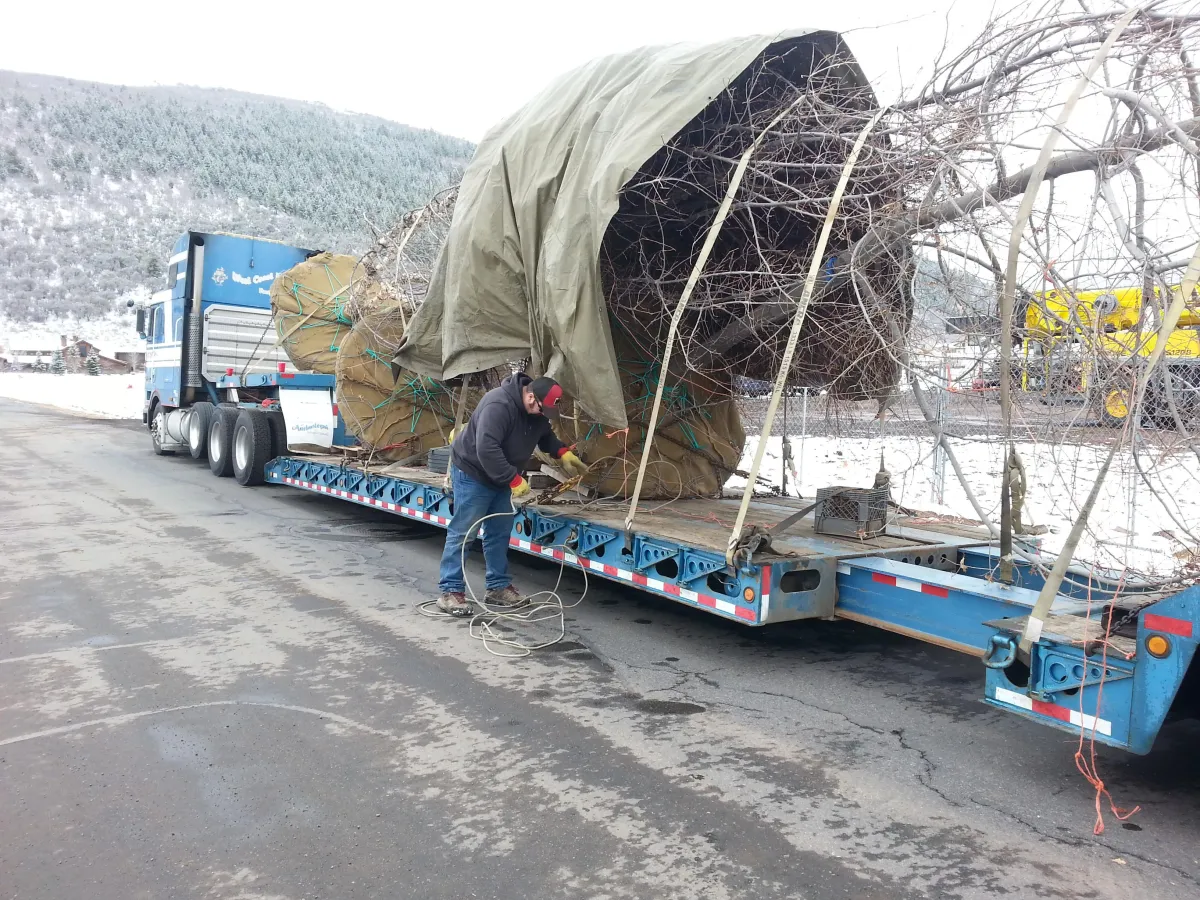
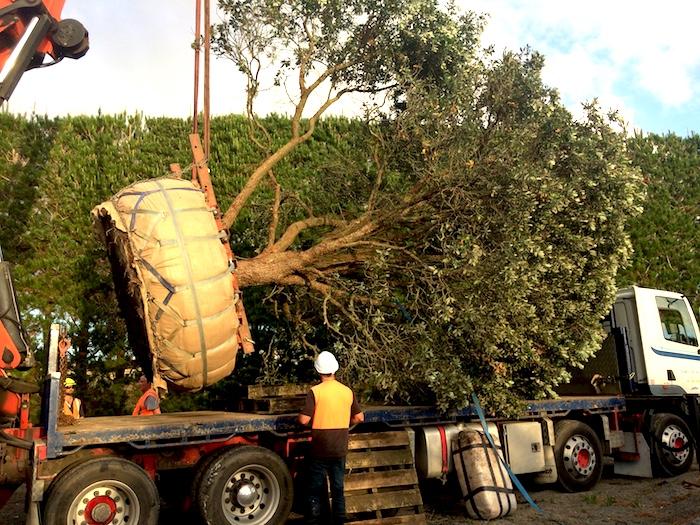
Adding an outdoor room, pool, or patio does not mean losing your shade trees. We use equipment that lifts trees with intact root balls. Your tree arrives at its new spot healthy and ready to grow.
Tuscany streets feature established maples and lindens. Many families planted these trees years ago and now face a choice. The HOA requires maintained front yards with at least one tree. Removing without replacing can put you out of compliance.
Homeowners in South Meridian and the Lakeview Park area face similar situations. Tree transplanting gives you space for your project while keeping the tree your yard already has.
Spring and Fall Offer the Best Transplant Windows for Canyon County
Planning your yard renovation ahead of season gives your tree the best chance. Transplanting during dormancy improves survival rates. Roots settle in before summer heat arrives.
Nampa sees over 200 sunny days per year. Hot summers stress new transplants when they cannot pull enough water. Scheduling your move in early spring or fall avoids that risk. The University of Idaho Extension recommends early spring and early fall as the best times for planting and transplanting in Idaho's climate.
Ground in this area often stays unfrozen until late November. That gives you a longer fall window than many expect. Homeowners near Lake Lowell and the Nampa Greenbelt neighborhoods can book assessments into early winter most years.
Reaching Our Farm from Renaissance Park Takes About 15 Minutes
Getting to Melad Tree Farm from Renaissance Park is straightforward. The drive covers about 20 miles and takes around 34 minutes.
Head toward E Deerhill Dr and continue straight through the traffic circle onto E Zaldia Dr. Take the first exit at the next traffic circle onto S Eagle Rd. Turn right onto E Columbia Rd and continue for about 6 miles. The road becomes E Locust Ln. At the traffic circle, take the third exit onto S Robinson Rd. Turn right onto E Lewis Ln, then left onto S Happy Valley Rd. Continue to S Powerline Rd, then turn right onto Lake Shore Dr. Our farm sits on the left at 12747 Lake Shore Dr.
You will pass near Lake Lowell on the way. Weekend traffic picks up near Nampa Farmers Market, so plan extra time on Saturdays. Customers coming from Garrity Boulevard, downtown Nampa, or the Karcher Mall area can reach us in similar time.
View all the areas and locations we serve.
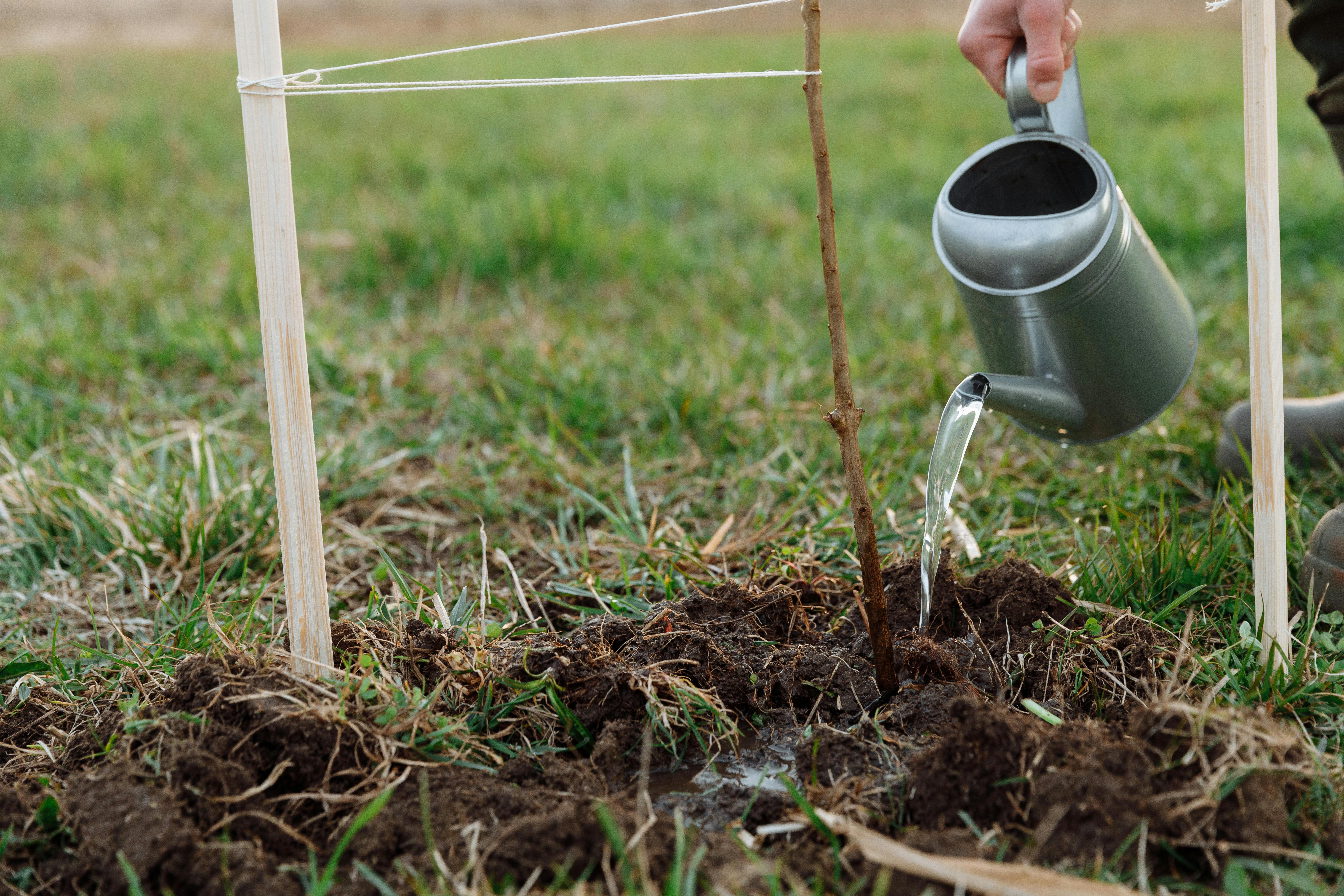
Proper Watering Keeps Transplanted Trees Healthy Through Nampa Summers
Your transplanted tree needs steady water during its first two growing seasons. Custom watering schedules prevent stress when summer days hit 95°F or higher.
Nampa receives only 11 inches of rain each year. That is not enough for a tree rebuilding its root system. Drip irrigation works well in this high-desert climate. It delivers water slowly so roots absorb more before the soil drains.
Deep root watering matters most in fast-draining alkaline soil. Shallow watering encourages roots to stay near the surface where heat damages them. We provide aftercare guidance based on your tree species and lot conditions.
Homeowners in Franklin Village and near Ridgevue High School face the same dry summers. A consistent watering plan keeps your transplant healthy through the hottest months.
HOA Landscape Rules May Require Saving Trees Instead of Removing Them
If you live in a master-planned community like Tuscany, your HOA may not allow tree removal without replacement. Transplanting lets you meet those rules while freeing space for your project.
Tuscany HOA manages four community pools and miles of walking paths. They also enforce strict landscaping standards. Most Tuscany CC&Rs require at least one tree in your front yard. Removing a mature tree without a plan can lead to fines or required replanting.
City of Nampa Tree Ordinance adds another layer. Street trees within 15 feet of the right-of-way have protections. Licensed companies must handle any work near those trees.
Homeowners in Castle Peak subdivision and the Arbor community face similar guidelines. Transplanting satisfies HOA and city requirements while letting you keep a tree you have watched grow for years.
Frequently Asked Questions
Trees are serious, and so are your questions. Here are just a few:
Can I transplant a tree during summer near Renaissance Park?
No, summer transplants are not recommended. Nampa heat stresses trees that are rebuilding root systems. Schedule your move in fall or early spring for the best survival rates.
Does my Tuscany HOA allow tree removal without replacement?
Most Tuscany CC&Rs require at least one tree in your front yard. Removing without replacing can put you out of compliance. Transplanting often satisfies these rules while giving you space for your project.
What size tree can you move in a Nampa subdivision?
Our equipment handles most residential trees. Lot access determines the limits. Narrow side yards or low-hanging power lines may affect what we can move. We assess your specific site before scheduling.
Do I need a permit to transplant a street tree in Nampa?
Yes, you need to contact the City of Nampa Forestry Division for street trees. Residents must also call Digline at 1-800-342-1585 before any digging to mark underground utilities.
How long until a transplanted tree establishes in Canyon County soil?
Plan for two to three growing seasons with proper watering. Roots need time to spread into the surrounding alkaline soil. Consistent deep watering speeds up this process.
Will transplanting damage my irrigation system near Renaissance Park?
Our crews locate irrigation lines before digging. Mark your sprinkler heads with flags before we arrive. This helps us avoid your system while positioning the tree.
COMPANY
CUSTOMER CARE
LOCATIONS
NEWS
LEGAL


© Copyright 2026. Melad Tree Farm. All Rights Reserved.