Tree Transplant Services near Seasons Park in Nampa, Idaho
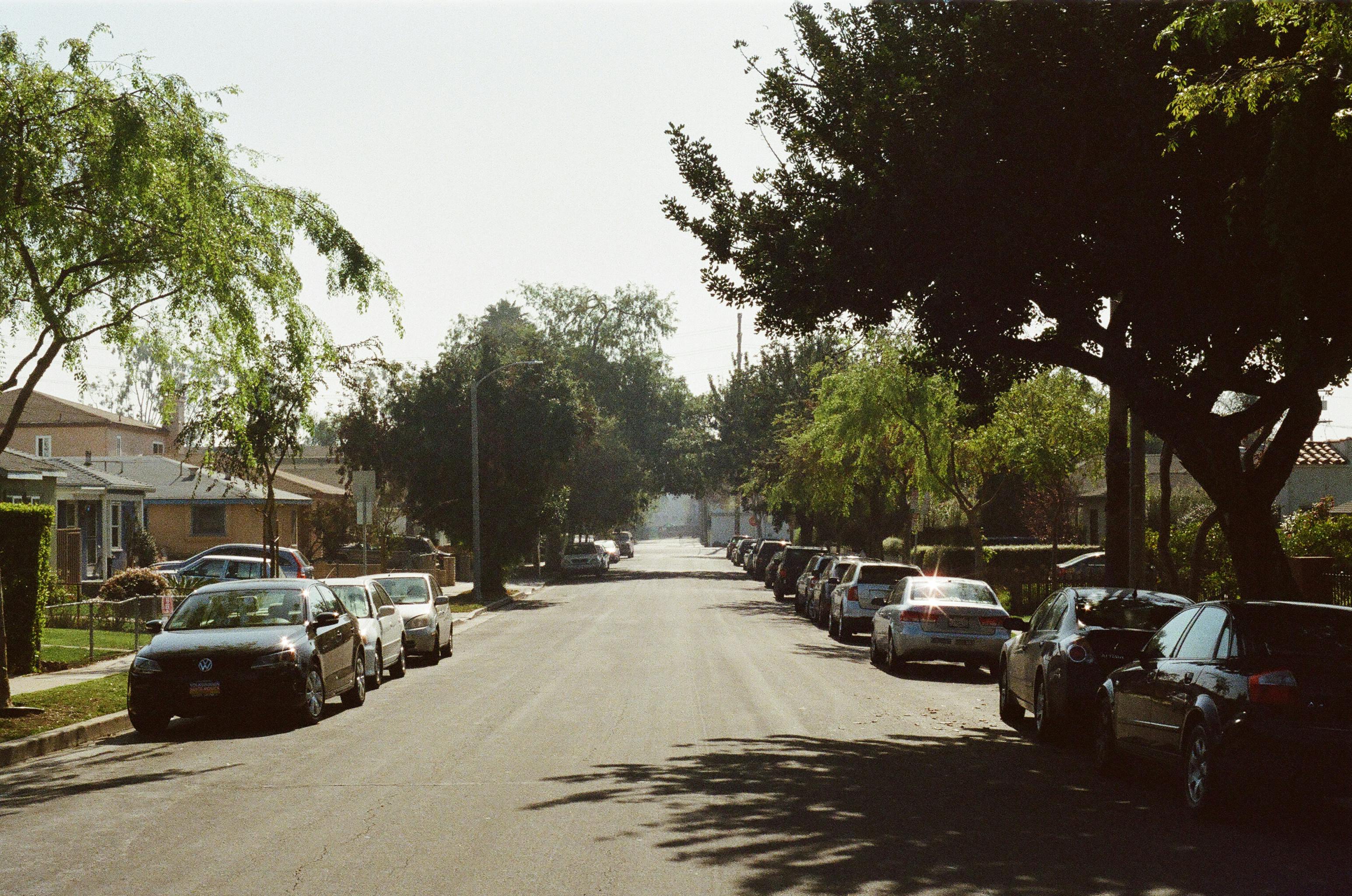
Seasons Park is near Nampa in the Meridian area, off W Ridgeside Street. The subdivision is full of young families, growing yards, and trees that sometimes outgrow their original spot.
If a tree on your property needs to move rather than come down, a local tree farm just minutes away can help.
Our orchard and nursery on Lake Shore Drive is close to the Seasons neighborhood. That short distance matters. A smaller haul time means the root ball spends less time out of the ground, which lowers transplant shock and gives your tree a stronger start.
Nampa's alkaline, clay-heavy soil adds a layer of planning to every transplant. The caliche hardpan common in this part of the Treasure Valley can block root growth if the new hole is not prepped the right way. We factor local soil and climate into every move we plan.
If you are searching for a tree transplant near Seasons Park, we are nearby and ready to help.
Signs a Tree on Your Seasons Property Needs Relocating
Many trees in the Seasons subdivision were planted when the homes were built.
On lots that average around 0.15 acres, those trees can outgrow their space in just a few years.
You may notice roots pushing up against your sidewalk or driveway. Branches might crowd a fence line or press into your foundation. These are signs the tree needs a new spot, not a chainsaw.
Some trees in Seasons also grow into shared open spaces or HOA-maintained common areas.
The Seasons Sub HOA may require approval before you move or remove a tree that borders those zones.
It is worth checking with HOA management early in the process.
Transplanting lets you keep a mature tree that already provides shade and value to your yard.
Removing and replacing it with a sapling means starting over. A well-planned move puts that same tree
in a better location where it has room to keep growing.
How Nampa's Soil and Climate Affect Every Transplant
Treasure Valley soil commonly tests above pH 7.5. That alkaline level limits what species will thrive after a move. Clay-heavy ground also holds water near the surface, which can stress roots that need drainage.
Below the topsoil in southeast Nampa, a layer of caliche hardpan can sit as shallow as two feet below the surface. This calcium-rich crust blocks root growth unless it is broken up before the tree goes in. We check for caliche at every new planting spot.
Nampa falls in USDA Hardiness Zone 7a. The area gets only about 11 inches of rain per year and sees summer highs well above 95°F. Freshly moved root systems struggle in that heat without a solid watering plan from day one.
Before any digging starts on your property, Idaho law requires a call to Digline at 811. This marks underground utilities so the crew avoids gas, water, and cable lines during the dig.
Properties closer to Lake Lowell may also deal with a higher water table. That changes how deep we set the root ball and how we handle drainage at the new site.
What Happens During a Professional Tree Move near 12th Avenue Road
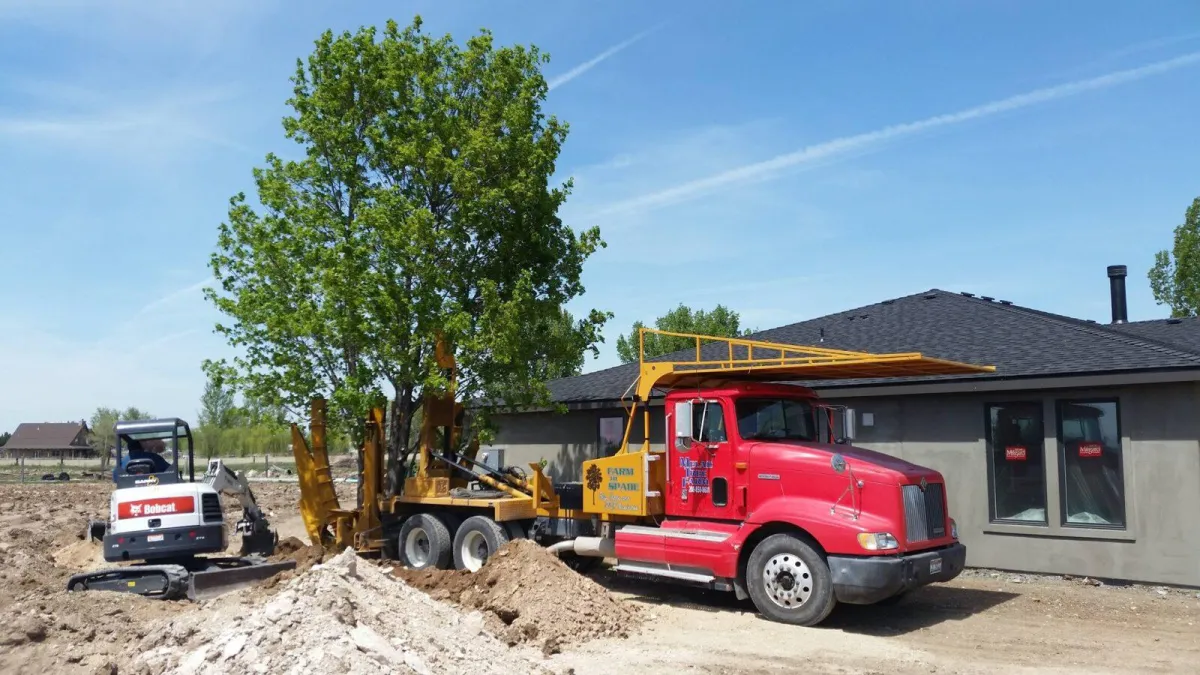
A tree transplant starts with measuring the trunk diameter. That measurement sets the size of the root ball. Larger trees need a mechanical tree spade to lift and carry the roots intact.
We time most moves for early spring, from March through April, or late fall, from October into November. These windows give the tree cool weather to settle in before summer heat or winter freeze arrives.
Before the crew starts, we check for overhead Idaho Power lines and confirm underground utilities are marked. This step protects your property and keeps the job on schedule.
The root system is the priority during every move. Professional equipment keeps the root ball tight and intact from the old hole to the new one. A clean lift means less root damage and a faster recovery once the tree is in the ground.
We serve homes along the 12th Avenue Road corridor and through the Seasons streets east toward the Skyview High School area.
Learn more about our tree transplant process.
Getting Here from Seasons Park and Nearby Neighborhoods
Seasons Park is near Nampa in the Meridian area, off W Ridgeside Street. The drive to our tree farm on Lake Shore Drive takes about 32 minutes and covers around 19 miles.
Head toward N Dayside Ave and turn left onto N Willowside Ave. Turn left at the first cross street onto W Talamore Dr, then right onto N Willowside Ave. The road becomes W McMurtrey St. Turn left onto N Sweetwood Ave, then left onto W Ustick Rd.
Turn left onto County Line Rd, which becomes N McDermott Bypass. Turn right onto E Franklin Rd, then left onto N Robinson Blvd and follow it south. Continue through the traffic circles on Robinson Rd, staying straight as it becomes S Robinson Rd.
At the fourth traffic circle, take the first exit onto E Locust Ln. Turn left onto S Can Ada Rd, which becomes Happy Valley Rd. Turn right onto E Lewis Ln. Turn left onto ID-45 S, then right onto Emerald Rd and continue onto Lake Shore Dr. Our farm will be on your left.
Skyview High School and the Walmart Supercenter on 12th Ave Road are nearby landmarks if you are coming from other parts of southeast Nampa. Homeowners across South Nampa are also within easy reach.
Check out our locations page to see all the areas we serve.

Preparing Your Yard in the Seasons Subdivision Before Transplant Day
If your tree sits near a common area or within an HOA setback, check with Seasons Sub HOA management first. Getting approval early avoids delays on transplant day.
Nampa City Ordinance requires a free permit for any tree work in the public right-of-way. If the tree you are moving is between the sidewalk and the street, contact the City Forester before scheduling the job.
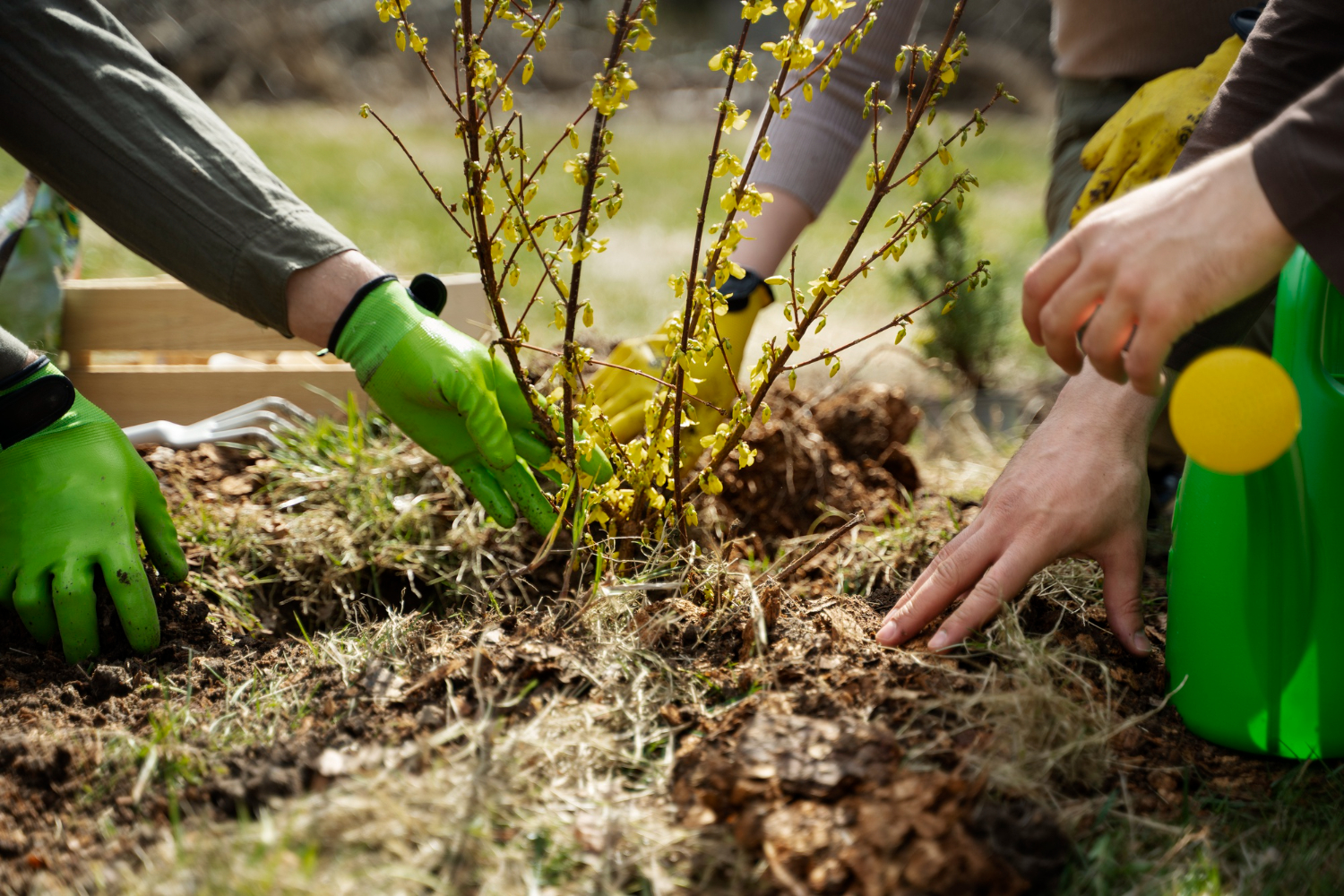
Test the soil pH and drainage at the new planting spot ahead of time. If the ground is too alkaline or compacted, we can amend it with compost to give the roots a better start.
The tree spade truck needs a clear path to reach both the old and new locations. On Seasons Court and the narrower side streets, make sure parked cars, trash bins, and yard fixtures are out of the way.
This same prep applies if you live in nearby Stony Meadows.
Lot sizes and soil conditions in that neighborhood are similar to what we see across the Seasons subdivision.
Keeping a Transplanted Tree Alive Through a Treasure Valley Summer
A freshly moved tree needs steady water during its first Nampa summer. Plan on deep watering two to three times per week while daytime temperatures stay high.
Spread three to four inches of bark mulch over the root zone after planting. Mulch holds moisture in the soil and keeps root temperatures down when the heat pushes past 95°F. Keep the mulch a few inches away from the trunk to prevent rot.
Skip fertilizer for the entire first growing season. The tree is putting its energy into rebuilding roots, not pushing new leaf growth. Adding fertilizer too soon can do more harm than good.
Watch for signs of transplant shock as summer moves on. Leaf scorch, early leaf drop, and wilting by mid-July are common signals that the tree needs more water or afternoon shade protection.
Nampa averages about 210 sunny days per year. With that much direct sun and so little rain, drip irrigation is the most reliable way to keep a transplanted tree hydrated through its first full season in the ground.
Learn more about our team and how we got started.
Frequently Asked Questions
Trees are serious, and so are your questions. Here are just a few:
Do I need a permit to transplant a tree in the Seasons subdivision right-of-way?
Yes, Nampa City Ordinance requires a free permit for any tree work in the public right-of-way. Contact the City Forester to apply before scheduling your transplant.
When is the best time of year to transplant a tree in Nampa's climate?
Early spring before bud break or late fall before the ground freezes. March through April and October through November are the two strongest windows. Avoid moving a tree during mid-summer heat when temperatures stay above 95°F.
Will the Seasons Sub HOA let me move a tree on the common area border?
Check with HOA management first. Rules on shared open-space landscaping vary, and approval may be needed before any work begins near common areas or setback lines.
How deep is the caliche layer near Seasons Park in southeast Nampa?
It can sit as shallow as two feet below the surface in parts of the Treasure Valley. This hardpan layer needs to be broken before planting so roots can grow down and drain properly.
Can large equipment fit on the residential streets inside Seasons subdivision?
Yes, most Seasons streets and Seasons Court can handle a standard tree spade truck. Our crew confirms access during the site visit before transplant day.
Does Idaho Power need to be contacted before a tree transplant near overhead lines?
Yes, Idaho Power handles line clearance for trees near power lines. We coordinate this step as part of the planning process so the job stays safe and on schedule.
COMPANY
CUSTOMER CARE
LOCATIONS
NEWS
LEGAL


© Copyright 2026. Melad Tree Farm. All Rights Reserved.