Trees for Sale Near Givens Hot Springs — Shade, Fruit, and Evergreen Picks for the Boise Area
Givens Hot Springs sits along the Snake River in Owyhee County. This historic Oregon Trail landmark has drawn visitors since Milford and Mattie Givens settled here in 1879. Today, property owners along the Highway 78 corridor between Marsing and Melba face a specific challenge when planting trees.
The high-desert soil near the Snake River runs alkaline — often above pH 7.5. Trees ordered online or shipped from out of state may not survive that chemistry. That is why species selection matters more here than in most parts of Idaho.
Rural acreage near Givens Hot Springs sits on well-drained, sandy loam. This soil behaves differently from the clay hardpan found closer to downtown Nampa. Your trees need to match both the pH and the drainage on your specific parcel.
Local tree farms stock species already hardened to Treasure Valley wind, heat, and low annual rainfall. If you own land along Highway 78, pickup is simple — paved road the entire way, with room for a truck and trailer. Trees for sale boise Givens Hot Springs buyers can find shade, fruit, and evergreen picks grown for this exact climate.
Shade and Fruit Trees That Survive Snake River Valley Alkaline Soil
If you own one to twenty acres south of Nampa near Givens Hot Springs, soil chemistry should guide every tree you buy. Too many property owners order trees online and watch them yellow and die within a year. The problem is almost always alkaline ground.
Honeylocust, hackberry, and bur oak grow well in soil above pH 7.5. These species do not need sulfur amendments to thrive on your land. They set roots fast and handle the dry summers along the Highway 78 corridor. The University of Idaho Extension recommends selecting trees matched to your local soil and climate conditions rather than amending alkaline ground.
The Snake River bottomland near Givens drains quickly through sandy soil. That fast drainage actually works in your favor — root rot risk here is lower than on properties closer to Lake Lowell. Your bigger concern is water retention, not standing moisture.
If your parcel sits between Marsing and Melba, the same alkaline conditions apply. Fruit trees can work too, but they need hardy rootstock matched to this soil. A local tree farm can walk you through which varieties hold up on your specific lot.
Why Rural Properties Near Melba and Marsing Need Wind-Tough Trees
Open acreage southwest of Nampa takes a beating from summer wind. Gusts push across high-desert terrain at temperatures above 95°F. That hot, dry air pulls moisture from leaves, soil, and anything in its path.
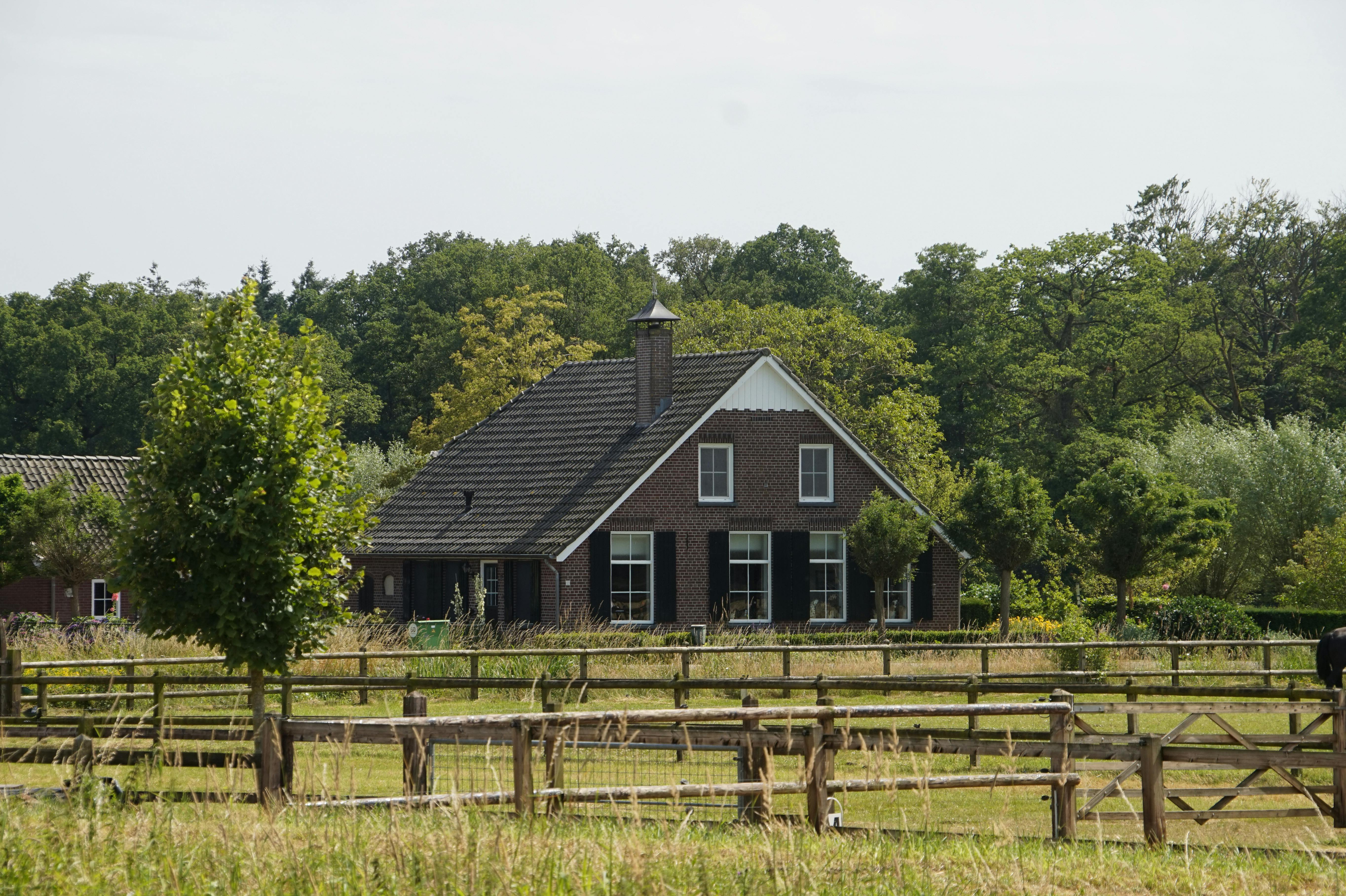
A windbreak row protects your garden, livestock pens, and outbuildings. Ponderosa pine, Rocky Mountain juniper, and Cupressina spruce form dense screens even on limited water.
These species hold their needles year-round and block wind from every direction.
Melba is known as "The Seed Heart of America." Farms there already plant windbreak rows to shield seed crops like onions, carrots, peas, and sweet corn. The same approach works for residential acreage along the Owyhee County foothills and off Southside Boulevard.
If your property sits in open terrain with no natural tree line, a windbreak is not just a landscaping choice. It changes how your land holds moisture and how your animals handle summer heat.
Best Planting Windows for Trees Along the Highway 78 Corridor
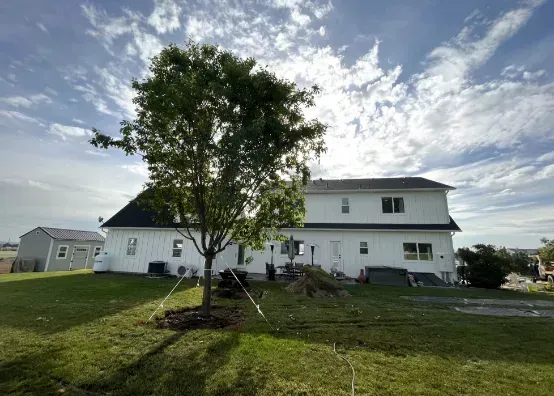
Timing your tree purchase around the right season gives roots a head start. Plant too late in spring and summer heat stresses a new tree before it can settle in. Plant too early in fall and an unexpected freeze can kill fresh growth.
Bare-root stock ships in late February when trees are still dormant. Balled-and-burlapped specimens are available from March through May. Both options work well for the Highway 78 corridor if you get them in the ground on schedule.
Fall planting is also a strong choice in Canyon County. The ground usually stays workable through late November. Roots grow slowly through winter and wake up strong the following spring.
Nampa averages only about 11 inches of rain per year. Set up your drip irrigation system before planting day — not after. A new tree on dry sandy soil without water delivery will struggle within its first week.
Buyers near Kuna and the south Nampa subdivisions off Franklin Road face the same dry conditions. Plan your irrigation first, then schedule your tree pickup.
See all our tree selections in our trees page.
Driving to Us From Givens Hot Springs
Every route to Melad Tree Farm runs on paved roads. Whether you are pulling a flatbed trailer or driving a pickup truck, the drive is easy from any direction.
From Givens Hot Springs (about 28 minutes, 25 miles):
- Head toward ID-78 E from Givens Hot Springs
- Turn right onto ID-78 E and follow it for about 8 miles
- Turn left onto ID-45 and continue for roughly 13 miles
- Turn left onto Emerald Rd/Lake Shore Dr
- Continue to follow Lake Shore Dr — our farm will be on your left at 12747 Lake Shore Dr, Nampa
You will pass through Wilson and Walters Ferry along the way. The entire route is paved and wide enough for trucks with trailers.
One thing to watch — some GPS apps route you through Star or Melba on back roads. Before you follow those directions, confirm the Highway 78 to Highway 55 connection through Marsing. That is the most direct paved route.
Buyers coming from Caldwell or west Nampa can also reach us without any gravel stretches. We serve communities across the Treasure Valley — see all the areas we cover.
What to Expect When You Visit a Treasure Valley Tree Farm
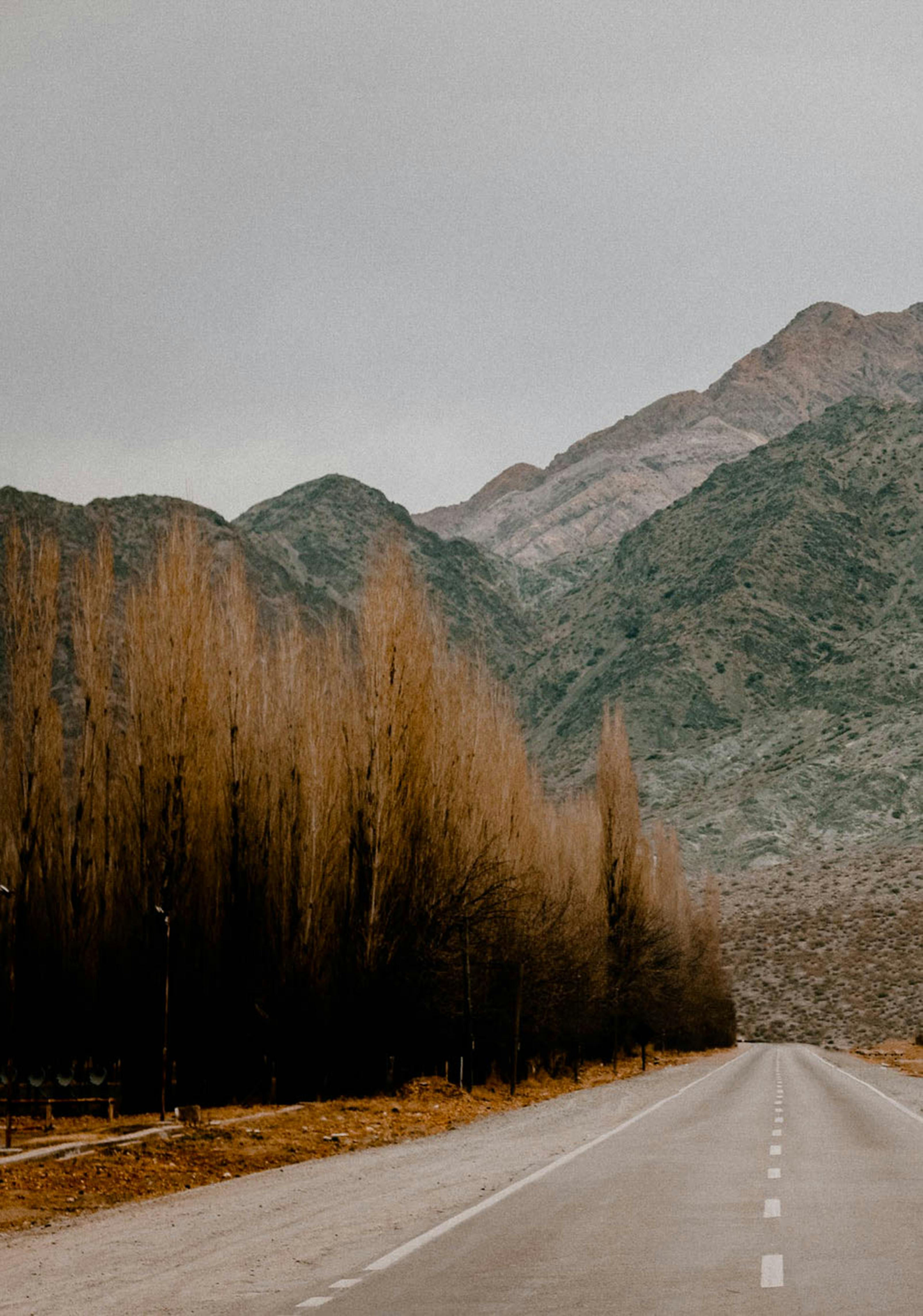
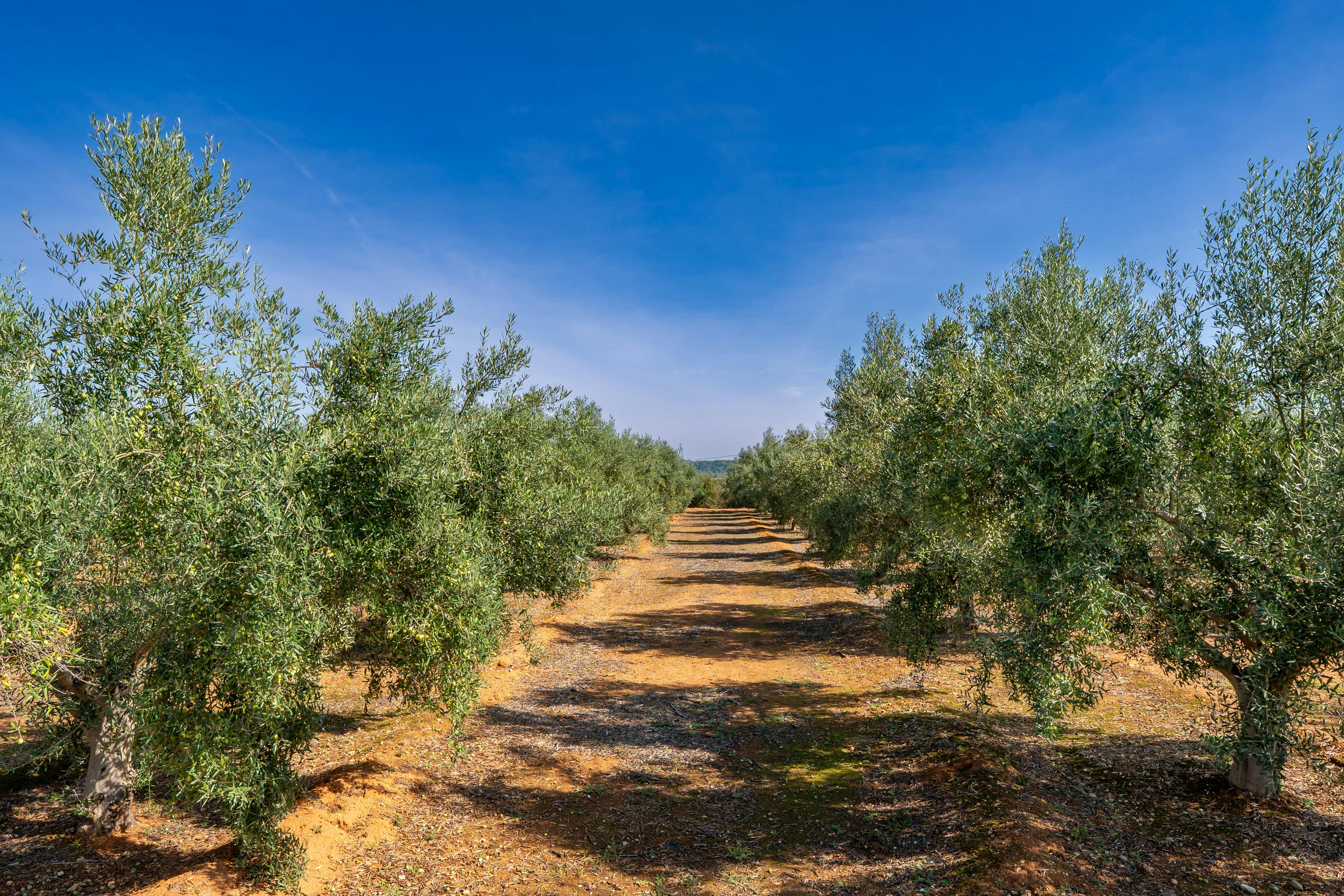
Buying a tree in person lets you compare options side by side. You can check trunk caliper, inspect root-ball firmness, and see actual canopy size before you commit. No guessing from an online photo. Visit our tree farm in Nampa to walk the rows yourself.
Bring notes about your property before you visit. Write down how many hours of direct sun your planting spot gets. Take a few photos of the area. Staff at a local tree farm use those details to match species to your specific lot.
Most farms have truck-and-trailer parking on site. If you are picking up a 15-gallon specimen or larger, you can load and haul it home the same day. No shipping wait and no delivery fee.
Before you dig any planting hole in Nampa, Idaho law requires you to call Digline at 1-800-342-1585. This applies to every property in the state. The service marks buried utility lines so you avoid hitting gas, water, or electric during your install.
Keeping New Trees Alive on Owyhee County
Well Water
If your property runs on a private well instead of city water, your watering plan needs to match your well output. A new tree demands steady moisture during its first summer. Transplant shock is the number one killer when water delivery falls short.
Mulch 3 to 4 inches deep around the base of every new tree. Sandy high-desert soil loses moisture fast, and a thick mulch ring slows that down. Keep the mulch a few inches away from the trunk to avoid rot at the bark line.
The Givens Hot Springs area sits at roughly 2,300 feet elevation with over 200 sunny days per year. That much direct sun pulls water out of the ground quickly. Even if your well runs strong, evaporation works against you all summer long.
Slow-drip watering bags are a practical option for low-output wells. They release water over several hours so the root zone soaks deeply without overwhelming your pump. Pair drip bags with your mulch ring and you cut water loss by a wide margin.
Properties near Deer Flat National Wildlife Refuge and Lake Lowell sit on a different water table. If your land is closer to those areas, your well depth and output may differ from parcels near Givens. Test your flow rate before planting season so you know what your system can handle.
Frequently Asked Questions
Trees are serious, and so are your questions. Here are just a few:
Can I plant a large tree on a septic system near Givens Hot Springs?
Keep any large tree at least 20 feet from your drain field. Root-aggressive species like willows need even more distance. Roots seek moisture, and a drain field is a magnet. Stick with shallow-rooted shade trees and plant them well away from your septic lines.
Do I need an Owyhee County permit to plant a windbreak on my acreage?
No permit is required for planting trees on private rural land in most cases. If your windbreak row runs along a county road, check the right-of-way setback before you dig. Your county planning office can confirm the exact distance.
When is the best day to pick up trees if I am driving from Marsing?
Weekday mornings give you the shortest wait and the best selection. Spring Saturdays are the busiest days at any Treasure Valley tree farm, especially from April through May. A Tuesday or Wednesday morning trip saves you time on the road and at the farm.
Will fruit trees survive the summer heat south of Nampa?
Yes — apple and cherry trees on hardy rootstock do well here with drip irrigation. Choose varieties rated for USDA Hardiness Zone 7a or lower for extra cold protection. The heat is manageable when your watering system is set up before the tree goes in the ground.
How do I water new trees if my well has low output?
Slow-drip watering bags are your best tool. They release water gradually over several hours so your well pump is not strained. Pair each bag with a 3- to 4-inch mulch ring to hold moisture in sandy soil and reduce evaporation between waterings.
Are there event-day traffic delays on Highway 78 near Givens Hot Springs?
Summer weekends bring campers, hot-springs visitors, and recreational traffic along Highway 78. Plan your tree pickup for a weekday or early morning to avoid the slowdown. The road stays open, but a trailer moves easier without weekend congestion.
COMPANY
CUSTOMER CARE
LOCATIONS
NEWS
LEGAL


© Copyright 2026. Melad Tree Farm. All Rights Reserved.