
Tree Nursery for Wilson, Idaho Residents — Worth the Drive Across the Snake River
Wilson sits along Highway 78 in Owyhee County, about 25 miles south-southwest of us. We're a tree nursery Wilson ID ranchers and acreage owners drive to in Nampa. The route crosses the Snake River on the ID-45 bridge near Walters Ferry.
That drive is worth it. Inside Wilson itself, most of the land is sagebrush range, not nursery-grade trees. We're the closest real tree stock to your side of the river.
A few things make the trip easier:
- Call ahead so we can confirm what's in the field before you load up
- Plan one trip with everything you need — fewer crossings, less wind on the trees
- Ask about loading help when you book your visit
Our farm is a working orchard, and most of the stock has been in the ground for 5 to 10 years. Ranch and acreage owners get the most out of a single planned trip. Bring the trailer once, pick out your trees with us in person, and head home across the bridge ready to plant.
Why Owyhee County Yards Need Trees Bred for High Desert
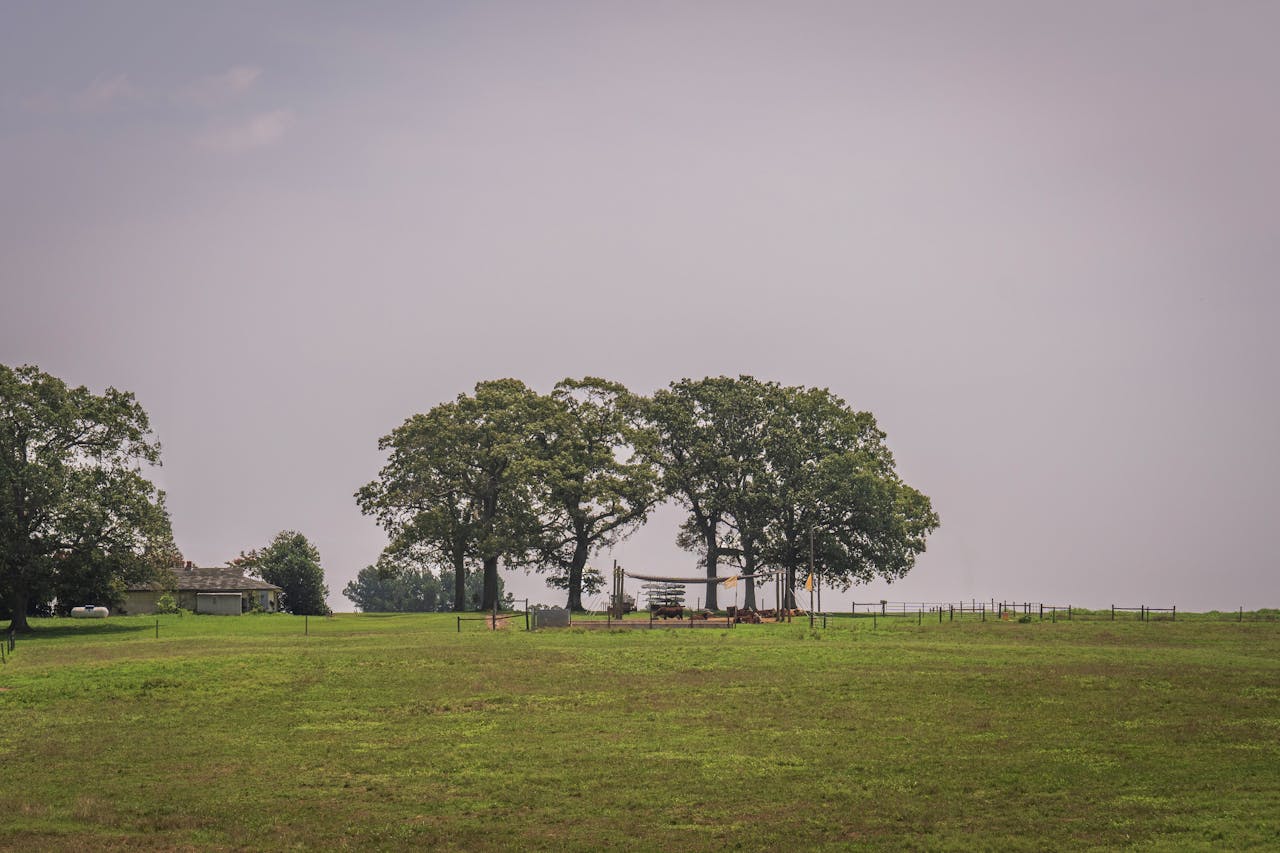
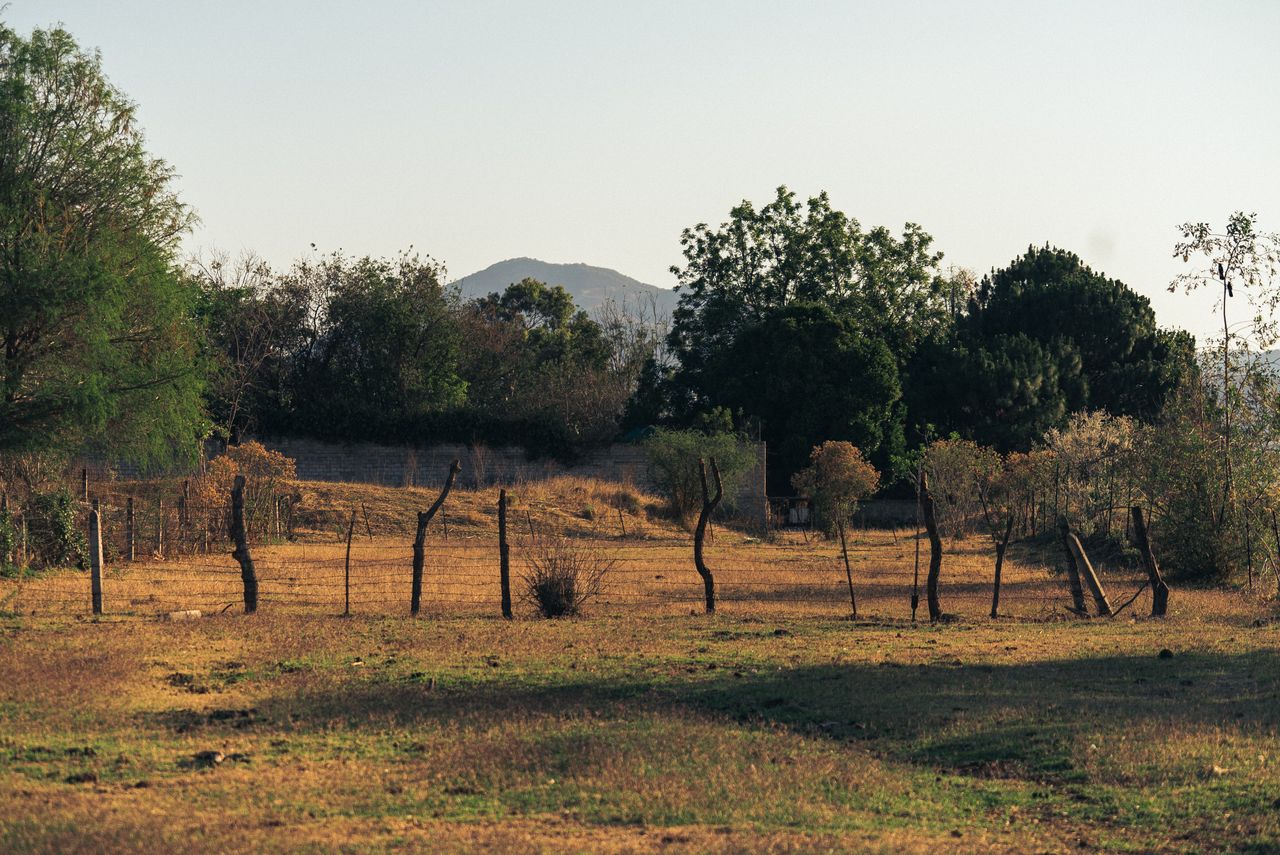
Out where you are, the land was never built for shade trees. The Snake River plateau around Wilson gets well under 10 inches of rain a year. Sagebrush steppe is the native cover, and most yards have no tree history to lean on.
Summer pushes into the low 90s with dry wind off the open range. Trees shipped in from wetter regions often fail their first summer here. The roots can't keep up with the heat and the dry air. Most of the lower Owyhee County strip near the Snake River sits in USDA Hardiness Zone 7a, which sets the cold-hardy floor your tree has to clear.
Open rangeland gives no wind break either. Young trees take a beating from the first hot afternoon on. That's why the stock we grow is picked for high-desert conditions, not green-belt yards.
Picking Trees That Survive a Wilson Ranch Lot
If your parcel sits off ID-78 between Wilson and Murphy, your tree list looks different than a city yard. You need stock that handles alkaline soil, dry wind, and long stretches without rain.
A few choices from our tree nursery that hold up out here:
Bristlecone Pine — slow-growing evergreen built for high-desert conditions
Colorado Blue Spruce — handles dry wind once roots are established
Sunburst Locust — drought-tolerant shade tree, takes alkaline soil
Canadian Red Chokecherry — gives birds cover with lower water needs
Pick drought-tolerant varieties over fast growers. A tree that gains a foot a year and lives is better than one that gains three feet and dies in August.
If your yard borders BLM land, give your trees fire-smart spacing. Keep them apart from brush and from each other so a range fire has less to climb.
What to Prep on Your Property Before You Make the Drive
A little prep at home saves a second trip across the river. Walk your planting spot before you head north and check it against the basics.
Mark the hole away from well heads, septic lines, and propane tanks. Then call Digline at 1-800-342-1585 before you dig — it's required statewide in Idaho.
Test your soil pH while you're at it. Owyhee soils often read above 8, which limits what will thrive. Knowing the number helps us match you to the right stock.
Stage your water before the tree gets home:
-Run a hose line to the planting spot, or
- Set a 200-gallon tank within reach of the hole
Most Wilson-area parcels run on private wells, not city water. Plan your watering around your well's recovery rate so the tree gets a deep first soak.
Driving From Wilson to the Nursery Through Walters Ferry
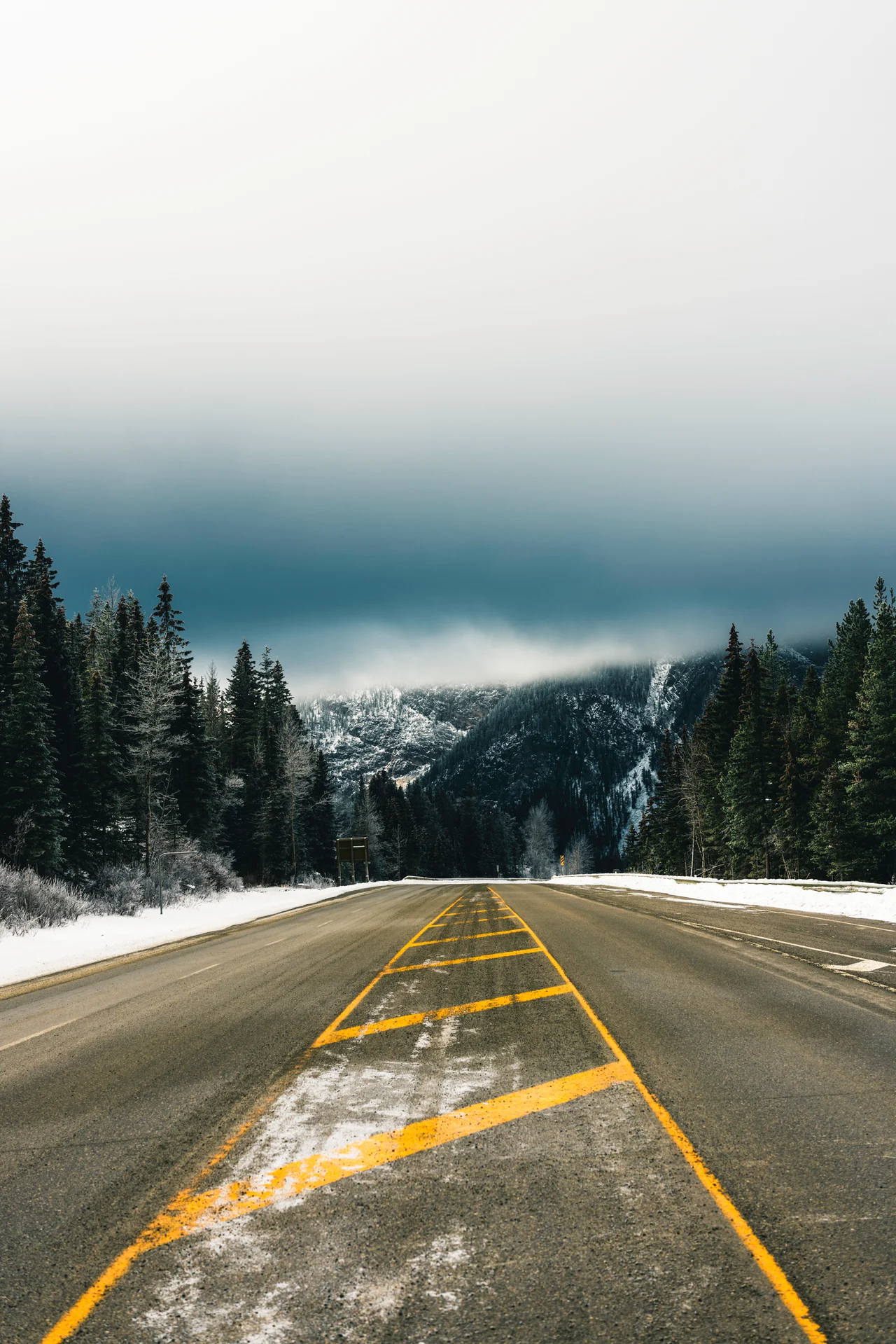
The route from Wilson to the farm runs north on ID-45 and Rim Road into Nampa. It covers 22.8 miles and about 28 minutes in normal traffic.
Here's the drive:
- Head out of Wilson toward ID-78 W, then take a slight left onto ID-78 E for 3.1 miles
- Turn left onto ID-45 and follow it 7.3 miles across the Snake River
- Turn left onto Big Foot Road for 3.0 miles
- Turn right onto Rim Road for 2.0 miles
- Turn left onto Future Facility Road / Richardson Lane for 1.0 mile
- Turn right onto Sky Ranch Road for 2.0 miles
- Turn right onto Missouri Avenue for 1.0 mile
- Turn left onto Rim Road for 2.4 miles
- Turn left onto Lake Shore Drive / Marsing Road — the farm is on your left in 0.9 miles
You'll pass Deer Flat National Wildlife Refuge on the approach in. We have truck and trailer space at the farm for loading. Check ITD for any current road conditions before you head out.
Check out our locations page to see all the areas and neighborhoods we serve.
Loading and Hauling Trees Back Across the Snake River
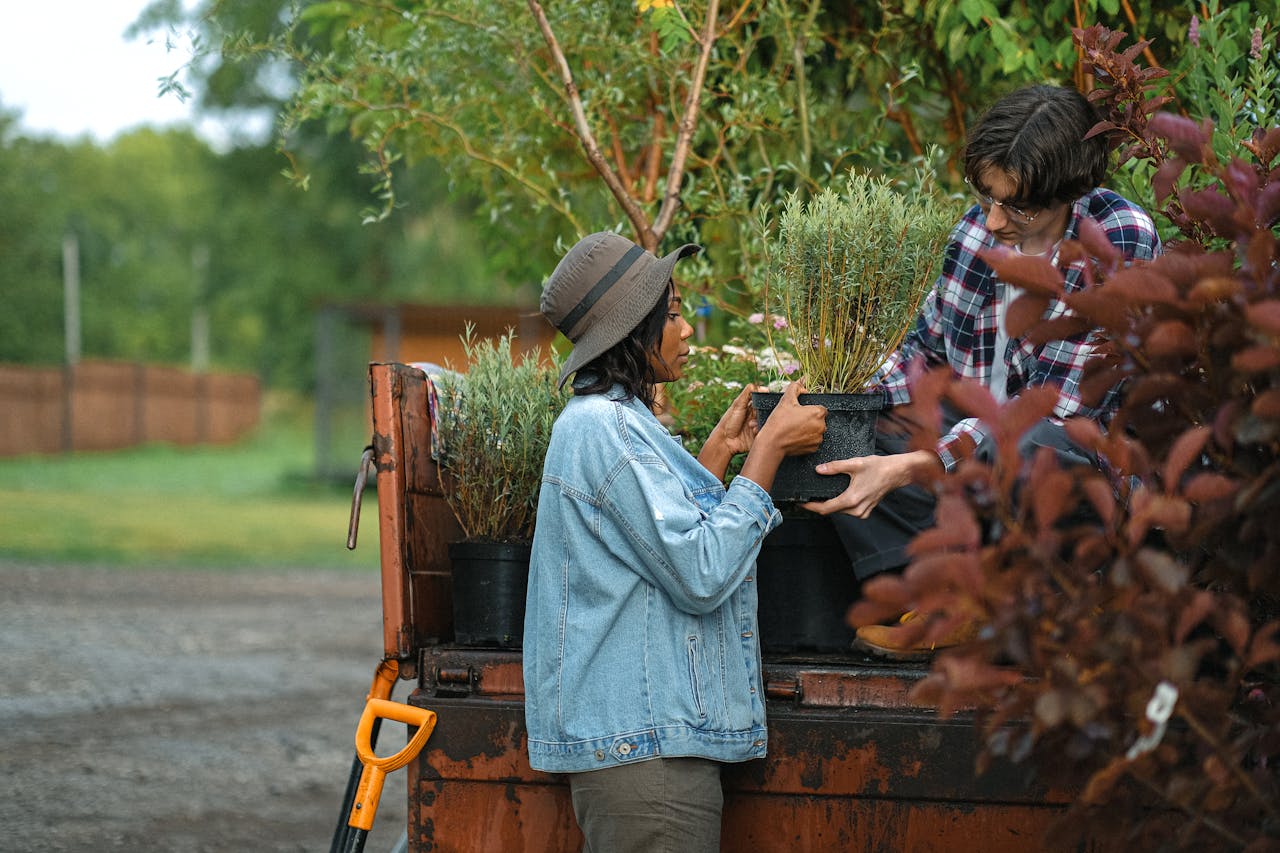
The drive home is harder on a young tree than the drive up. Wind on the ID-45 bridge can burn fresh leaves in minutes. A few steps protect your stock on the return trip.
Bring a tarp. Cover the canopy loosely so air still moves but leaves stay out of the direct wind. Afternoon gusts pick up sharply after 2 p.m. in spring.
Lay balled root balls on their side, not upright. A standing root ball tips and rolls on the highway. On its side, the weight stays put and the trunk takes less stress.
Tie down the trunk in two spots, not one. A single strap pivots and rubs bark off. Two straps hold the tree steady through the bridge crosswinds.
Plant the same day you get home when you can. The longer a balled tree sits in a truck bed, the harder its first week becomes.
Keeping Your New Tree Alive on an Owyhee Acreage
The first year on a Wilson-area lot is the hardest one for a new tree. A few habits give it the best shot.
Deep soak the root zone once a week through summer. A long slow drink reaches the roots better than daily sprinkles. Set a hose at a trickle for an hour, or use a slow-fill bucket.
Mulch a wide ring around the trunk, but keep the mulch off the bark. Two to three inches deep is plenty. Mulch packed against the trunk holds moisture and invites rot.
Cage young trunks against deer and rabbits. Both are heavy out here, and a single night of browsing can strip a sapling. Watch for leaf scorch when July afternoons run dry — pale, crispy edges mean it needs more water.
Range fires move fast in Owyhee summers. Keep a clear, watered zone around the tree so flames have less fuel to climb.
Frequently Asked Questions
Trees are serious, and so are your questions. Here are just a few:
How far is the nursery from Wilson, ID 83641?
About 22.8 miles and 28 minutes north via ID-45 and Rim Road. The drive crosses the Snake River near Walters Ferry on the way into Nampa.
Can I load a balled tree into a pickup for the drive home?
Yes — small to mid stock fits a half-ton pickup. Larger trees need a trailer, and we can help you load at the farm.
What trees actually survive Owyhee County's dry summers?
Drought-tolerant stock from our orchard handles it best. Bristlecone Pine, Colorado Blue Spruce, Sunburst Locust, and Canadian Red Chokecherry all hold up in alkaline soil and dry wind.
Do I need a permit to plant trees on my Owyhee acreage?
Private land usually does not require a permit. Always call Digline at 1-800-342-1585 before you dig — it's required statewide in Idaho.
Is the route from Wilson open year-round?
Yes, the ID-45 route stays open year-round. Check ITD for winter conditions before peak-season trips.
What is the best season to plant trees out near Wilson?
Early spring or early fall are the best windows. Avoid the July heat and the hard freezes in January.
COMPANY
CUSTOMER CARE
LOCATIONS
NEWS
LEGAL


© Copyright 2026. Melad Tree Farm. All Rights Reserved.